
.webp&w=3840&q=75)

Johannesburg Establishes LGBT+ Meeting Point in Urban Transformation
Johannesburg solidifies LGBT+ meeting point

kk
An afternoon in Soweto is like a whirlwind of colors, voices, and joie de vivre. Between the oversized cooling towers of the Orlando Power Station, locals and travelers gather, children frolic in colorful ditches, while the brave dare to bungee jump into the depths. Everywhere it is evident: Johannesburg has not lost sight of its own history – and that is precisely why it is in motion like hardly any other metropolis on the African continent.
Of Walls and New Possibilities
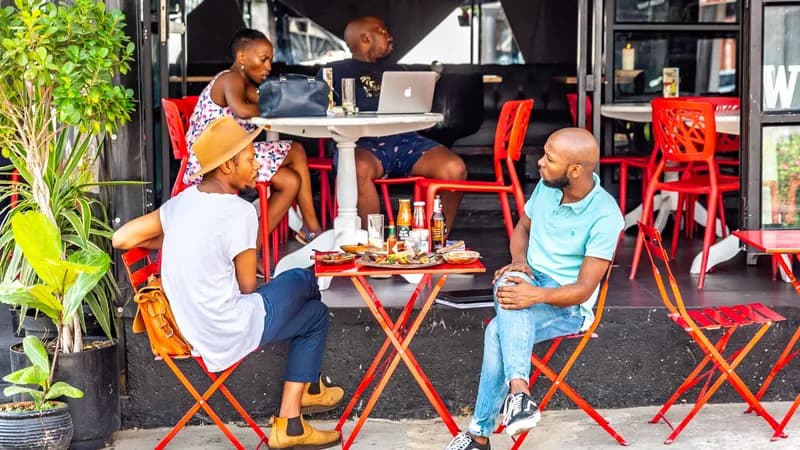
In the past, no one would have believed that leisure parks or inviting cafés like the legendary one would one day stand in Soweto.Chaf PoziAttract visitors from around the world. Safety was the overarching theme, high walls and complicated access controls a common sight in the cityscape of Johannesburg. Even today, the untrained visitor encounters these seemingly insurmountable barriers – only they are increasingly becoming permeable and allowing for a new perspective on coexistence.
The complexity of the city is reflected in the lived diversity: modern districts like the exclusive Melrose Arch with its stylish boutiques, cafes, and the trendy atmosphere.Protea Fire & IceHotels stand in contrast to the dynamic street markets that shape the face of many neighborhoods. In between: countless parks that make Johannesburg possibly the greenest major city in Africa.
Feel history, shape the future.
Whoever wants to understand today's South Africa cannot ignoreApartheid Museumnot past. The tour begins with the categorization at the museum gate – as White or Non-White, a still painfully real reminder of the system of racial segregation that shaped the country until the mid-1990s. The exhibition is an intense, often disturbing walk through history – from collection passes, chain link fences, and film clips about protests to moments of hope like the release ofNelson MandelaVisitors experience firsthand how society is still in the process of filling the last empty walls in the museum with the stories of today. South Africa remains a country in transition, but the shadows of the past are present.
Creative explosion and new self-confidence
Walking through the restored quarters like Newtown or the trendy Maboneng, one immerses oneself in a world full of creative visions. House walls are transformed into colorful artworks, the street scene is alive with improvised concerts, galleries, and hipster cafés. The scene is internationally connected and attracts artists from Berlin, Brooklyn, and across Africa. During the famous street art festivals, new works are created in no time, symbolizing renewal and an open society.
In addition to creative highlights, Maboneng attracts visitors on Sundays with the popular...Arts on MainMarket, where galleries, small shops, and pop-up artists invite you to an inspiring stroll. Here you can find street food, homemade crafts, as well as the12 Decades Johannesburg Art Hotel, whose rooms are designed by international artists and offer changing exhibitions.
The City of Diversity: Johannesburg's Pride
What makes Johannesburg special, besides its tumultuous history, is mainly its openness toward all identities. The metropolis is considered one of the most important meeting places for the African LGBT+ community, regularly hosting a variety of pride events and proudly incorporating human rights inclusively into its constitution. For travelers who appreciate diversity, the network of LGBT-friendly businesses and initiatives offers excellent protection and many opportunities for networking.
"Johannesburg is the heart of the country, both in terms of economy and creativity, and the most exciting trends in fashion, art, and music are emerging here," says <strong>Bangu Masisi</strong>, President of South African Tourism US. "The city is home to the largest and most diverse LGBT community in Africa, the largest Pride festival, and many places that specifically welcome all travelers."
Outlook: Bridges to a New Era
Johannesburg stands for a generation that literally overcomes old walls – not only made of concrete but also in the mind. Street art, young pop-up markets, and innovative cuisine are signs of social awakening. At the same time, the awareness of responsibility towards history remains ever-present. Programs to promote disadvantaged groups and a growing network of urban initiatives that advocate for integration and social engagement shape the city's sense of identity.
Those traveling to Johannesburg today will experience a metropolis that does not deny its contradictions but curiously engages with them – a true model for inclusive urban transformation in Africa and beyond.
For further information and current developments, it is recommended to visit the official sites of Tourism South Africa, the Apartheid Museum, and organizations promoting social participation in Johannesburg.
Advertisement
Advertisement
Advertisement
Poll Of The Day
Wie lange sollte dein perfekter Urlaub dauern?
- A.Kurz & knackig
- B.Eine Woche
- C.Zwei Wochen
- D.Drei Wochen+
- E.Je länger, desto besser
- F.Hauptsache überhaupt Urlaub
LGBTIQ+ News

Mehr Schutz für Gewaltopfer - Gewaltopfer sollen leichter ausziehen

Zwischenwahlen in den USA - Werte schlagen gemeinsame LGBTIQ+-Identität

Coming-Out im Fußball - Ryan Atkin spricht über sein Leben nach dem Outing

James Baldwin im Kino - Die Obamas verfilmen Baldwins Liebesleben
Most Read

Advertisement
Video Of The Day
Advertisement
Advertisement
Advertisement
Poll Of The Day
Wie lange sollte dein perfekter Urlaub dauern?
- A.Kurz & knackig
- B.Eine Woche
- C.Zwei Wochen
- D.Drei Wochen+
- E.Je länger, desto besser
- F.Hauptsache überhaupt Urlaub
LGBTIQ+ News
Mehr Schutz für Gewaltopfer - Gewaltopfer sollen leichter ausziehen
Zwischenwahlen in den USA - Werte schlagen gemeinsame LGBTIQ+-Identität
Coming-Out im Fußball - Ryan Atkin spricht über sein Leben nach dem Outing
James Baldwin im Kino - Die Obamas verfilmen Baldwins Liebesleben
Most Read
Advertisement
Video Of The Day
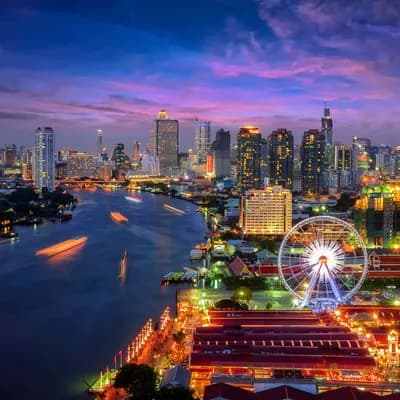
Urban Change in Bangkok: Rising LGBTQ+ Meeting Points
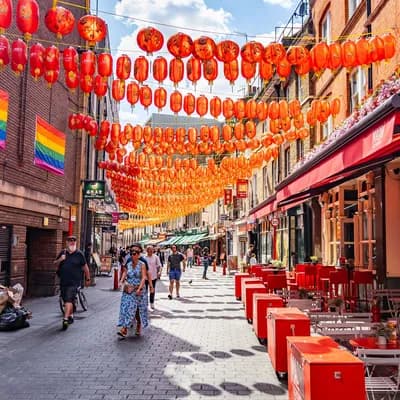
Legendary G-A-Y bar is being transformed into a queer center.
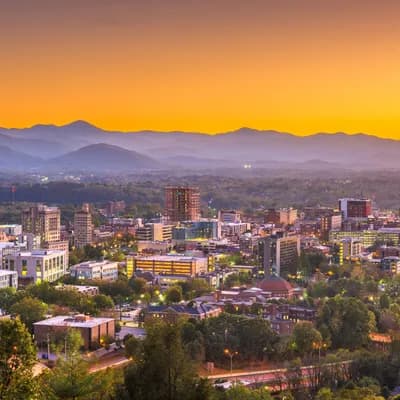
Asheville in Transition – Queer Meeting Places Shape Urban Development
Cape Town celebrates anniversary Pride with record parade
Queer Meeting

The 519

Stuttgart PRIDE - CSD Rally
The Lesbian, Gay, Bisexual & Transgender Community Center

COC Rotterdam eo, Society Integration Homosexuality
Lgbt center

Raising the Rainbow Flag + Demo
