
.webp&w=3840&q=75)


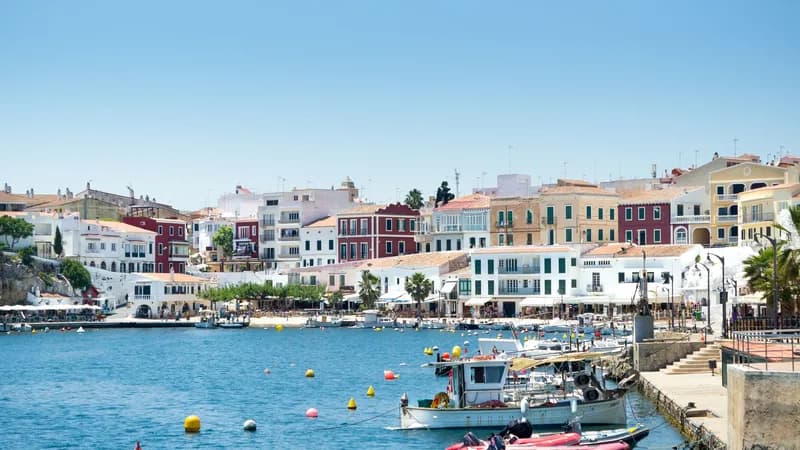
Menorca offers an inclusive environment for LGBTQ+ people
Menorca as a Refuge for LGBTQ+

kk
As the sky is painted in the first copper tones and the sun rises over the sea on Menorca's east coast, the small Balearic island feels like a well-kept secret – filled with tranquility, natural beauty, and history far away from crowded tourist paths. Anyone who has witnessed the earliest sunrise in Spain at the port of Es Castell quickly realizes: here, time still ticks a little slower.
Menorca – Island of Gentle Contrasts
Menorca, the northernmost sister of Mallorca, possesses a modest, almost introverted charm. This is not least due to its multifaceted history: Romans, Greeks, Moors, Vikings, and later Brits and French – all left their marks. It wasn't until 1802 that the island was definitively ceded to Spain, and the following years would shape Menorca significantly. While the neighboring islands of Mallorca and Ibiza were caught up in a construction boom in the 20th century, Menorca remained in a long slumber. The reason was a paradoxical protection: under Franco's dictatorship, building permits were withheld as punishment for Menorca's political stance. In retrospect, this has preserved the island's idyllic character.
Menorca captivates with over 200 kilometers of coastline - plenty of space for over 100 beaches, from wind-swept coves in the north to fine sandy beaches in the south. Particularly, the beaches Cala Pregonda, Cavalleria, and Cala Pilar in the north, as well as the hidden coves around Cala Galdana and Cala Macarella in the south, are paradises for those seeking relaxation or wanting to explore unspoiled nature by boat.
Culture, enjoyment, and sustainable change
A hiking dream is the Camí de Cavalls, a historic 185-kilometer circular path that encircles the entire island and guarantees spectacular nature experiences. Inland, gentle hills and green fields dominate – Menorca is still around 70 percent agricultural today. Travelers experience this authenticity at the boutique hotel **Torralbenc**: The listed estate combines history and luxury, focusing on local ingredients and sustainable viticulture. The wine cellar now produces award-winning wines – evidence of Menorca's growing role as a hidden gem for connoisseurs.
A cultural sensation took place in 2021 with the opening of a branch of the renowned gallery Hauser & Wirth on the Illa del Rei in the harbor of Maó. The center for contemporary art in a former naval hospital is now celebrated internationally. Until autumn 2025, a groundbreaking exhibition featuring works by Cindy Sherman on female identity and the changing roles is being held there, which is intended to establish Menorca as a hotspot of the European art scene. According to reliable media analyses, more than a dozen additional galleries and cultural venues have emerged in the vicinity of the art gallery in recent years – a remarkable transformation for the tranquil island.
Voices of the Island: Openness and Diversity
"We are welcomed everywhere. My friends and I live very visibly as LGBTQ+ people and have never had any problems. Menorca is a place where that simply doesn't matter."Vicent Lozano Gil, Menorcan and LGBTQ+ author
The open, inclusive atmosphere has attracted increasingly more queer guests particularly in the last ten years. Despite fewer explicitly queer meeting points, diversity is celebrated. In 2018, Menorca celebrated its first own Pride festival – a clear sign of social change. Meeting places like the caves bar Cova d’en Xoroi with its legendary sunsets, relaxed beach bars such as Hola Ola, or the alternative Nou Bar stand for a tolerant and warm coexistence.
Not to forget the S’Albufera d’Es Grau Nature Reserve in the north of the island: With nearly 5,000 hectares of protected wetlands and more than 270 bird species, Menorca is a paradise for nature enthusiasts and ornithologists. These measures are part of a sustainable strategy: Since 1993, Menorca has been a UNESCO Biosphere Reserve – this brings stricter protection regulations, slows down construction activities, and ensures that large parts of the coast remain wild.
Future between preservation and change
Experts recommend May to June and September as the ideal travel time: during these months, Menorca is lively but never overcrowded. Although visitor numbers increase during the high season from July to August, the number of hotel beds remains regulated. Many tourist businesses close from October for the winter, causing the island to fall into a restful slumber.
With its decelerated lifestyle, a creative art scene, and sustainable agricultural projects, Menorca stands as a Mediterranean model for conscious tourism. The balance between gentle development and traditional heritage makes the island a rare gem – an oasis for those who value authenticity, openness, and nature.
Further information can be found by interested parties at official Spanish tourism portals, environmental organizations, and the websites of international art and cultural projects on the island.
Advertisement
Advertisement
Advertisement
Poll Of The Day
Wie lange sollte dein perfekter Urlaub dauern?
- A.Kurz & knackig
- B.Eine Woche
- C.Zwei Wochen
- D.Drei Wochen+
- E.Je länger, desto besser
- F.Hauptsache überhaupt Urlaub
LGBTIQ+ News

Der Oktober hat mehr zu bieten - SCHWULISSIMO Oktober 2026: Die neuen Ausgaben

Ashton Summers geht viral - User küren Darsteller für Hüftschwung zum „Golden Boy“

Wirbel um Jockstrap - Nasses Tennis-Outfit überrascht Fans und Community

Ein Kuss verändert alles - Bisexualität im Fokus: Neue Netflix-Serie „Minerva Academy“
Most Read


Advertisement
Video Of The Day
Advertisement
Advertisement
Advertisement
Poll Of The Day
Wie lange sollte dein perfekter Urlaub dauern?
- A.Kurz & knackig
- B.Eine Woche
- C.Zwei Wochen
- D.Drei Wochen+
- E.Je länger, desto besser
- F.Hauptsache überhaupt Urlaub
LGBTIQ+ News
Der Oktober hat mehr zu bieten - SCHWULISSIMO Oktober 2026: Die neuen Ausgaben
Ashton Summers geht viral - User küren Darsteller für Hüftschwung zum „Golden Boy“
Wirbel um Jockstrap - Nasses Tennis-Outfit überrascht Fans und Community
Ein Kuss verändert alles - Bisexualität im Fokus: Neue Netflix-Serie „Minerva Academy“
Most Read
Advertisement
Video Of The Day
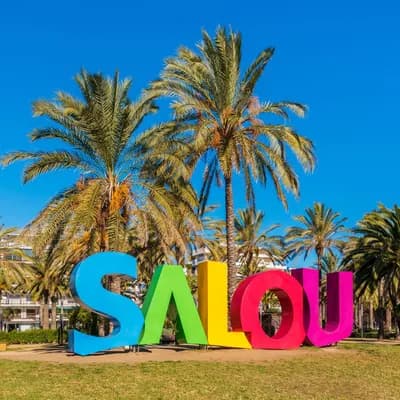
Salou becomes a queer certified travel destination
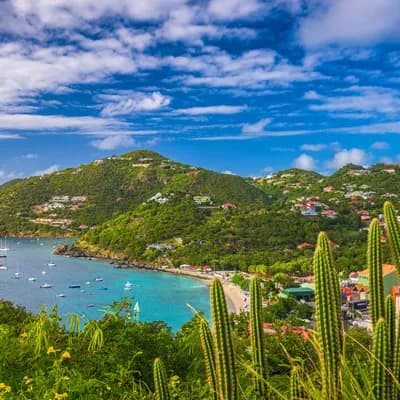
Inclusive Luxury: St. Barths Resort Welcomes LGBTIQ+ Travelers
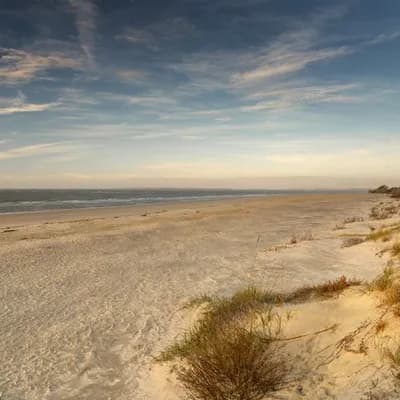
Sullivan Catskills: LGBTIQ+ friendly offers meet tourist boom
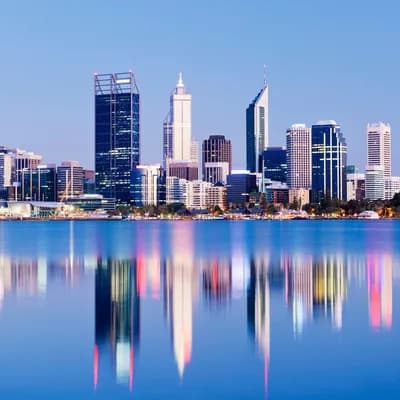
Perth establishes itself as a safe destination for LGBTQIA+ travelers

Maspalomas Pride

Centre LGBTQIA+ Marseille

Homens Homenets

Man Bar
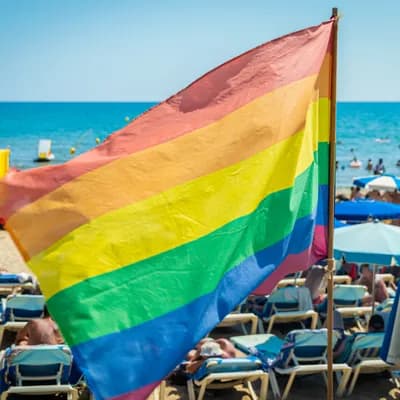
Sitges Pride Gay Village
Queer Meeting
Sitges Pride