.webp&w=3840&q=75)




Continental Baths
The Continental Baths, a historic institution in New York City, are more than just a place; they represent a piece of queer history deeply rooted in the 1970s. Located in the former Ansonia Hotel at 2109 Broadway #201, these baths opened in 1968 and operated until 1976. The Continental Baths were a groundbreaking concept that combined public relations, social interaction, and entertainment for the LGBTQ+ community, helping to elevate the careers of many artists and DJs.
Historical Context
At a time when homosexuality was still illegal, founder Steve Ostrow aimed to create a new kind of pool and sauna that diverged from the rundown and shady places that were typical at the time. He rented 40,000 square feet in the basement of the Ansonia Hotel, which had previously been a luxurious spa and Turkish bath. Ostrow's vision was to create a space that combined romance and relaxation in a protected environment.
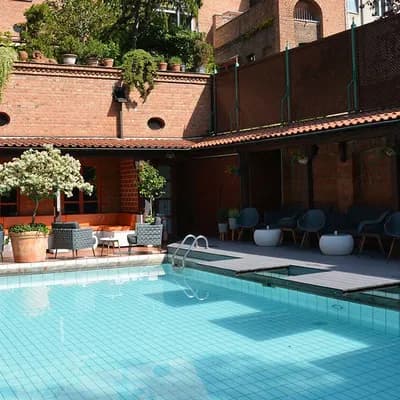
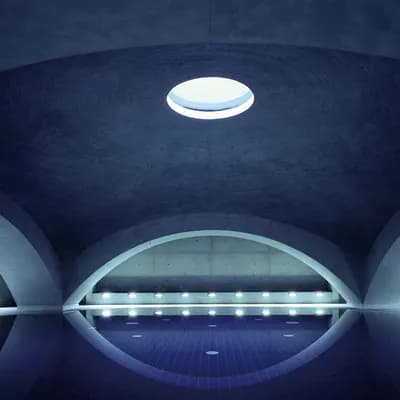
Opened on September 12, 1968, the baths quickly became the centerpiece of social life in the queer community. With offerings ranging from a disco dance area, a pool with a waterfall to private rooms and even a restaurant, the atmosphere in the Continental Baths was both festive and intimate. This creative design allowed the venue to attract a diverse audience and inspired New York's nightlife.
Visible Legacy and Popular Performances
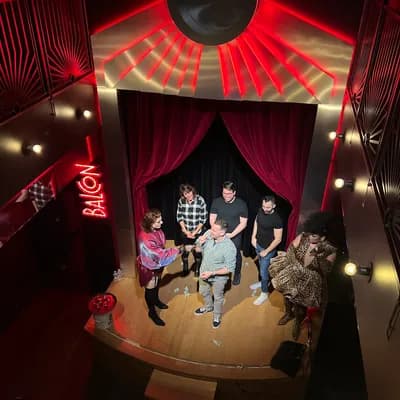
The Continental Baths swiftly became a venue for contemporary art and music, serving as a platform for numerous talented artists. Bette Midler, who would soon rise to national fame, made her early appearances here, accompanied by Barry Manilow, who was known at the time as her musical accompanist. Saturday nights turned into a showcase of talent, featuring stars like Peter Allen, Lesley Gore, and Andy Kaufman. These performances made the baths a festive hotspot that appealed to both the LGBTQ+ and heterosexual communities.
The Development of the Space
Over time, the baths underwent an impressive transformation. The original concept of health and relaxation was complemented by the introduction of an exciting entertainment program. Ostrow and his team had to deal with social pressure and repeated police raids, yet the allure of the baths remained unbroken. The doors remained tirelessly open to visitors, and the atmosphere paid off – always in a protected space where guests could express themselves freely.
Costs and Opening Hours
The exact pricing structure for entry to the Continental Baths varied depending on the event and time of day but was generally affordable for the time, contributing to their popularity. The baths were open 24 hours a day, allowing visitors to immerse themselves in the diverse offerings at any time.
Conclusion
Despite their closure in 1976, the legacy of the Continental Baths remains alive. This place stands not only for a sparkling era of LGBTQ+ history but also for the cultural transformation and the challenges faced by the community. Today, the history of the Continental Baths continues to be honored and explored, as seen on the [NYC LGBT Historic Sites Project](https://www.nyclgbtsites.org/site/continental-baths-at-the-ansonia-hotel/) and in many other cultural narratives.
Reviews
As there are currently no specific reviews available, the perception of the Continental Baths is largely shaped by historical anecdotes and societal memories that document their significance and influence on LGBTQ+ culture.
Advertisement
Advertisement
Advertisement
Poll Of The Day
Wann beginnt für Dich der Urlaubskick?
- A.Schon Monate vorher, direkt nach dem Abschicken der Buchung
- B.In den Wochen davor beim Recherchieren von Ausflugszielen und Restaurants
- C.Beim Kofferpacken am Tag vor der Abreise
- D.Am Tag der Abreise auf dem Weg zum Flughafen oder Bahnhof
- E.Erst in dem Moment, in dem ich das Hotelzimmer betrete
- F.Der Kick kommt gar nicht, ich bin vor der Abreise nur gestresst
LGBTIQ+ News

Heated Rivalry im Kino - Connor Storrie verkürzt zudem die Wartezeit auf Staffel 2

Letzte Küsse in der Kutsche - Central Park verliert Liebeszauber

Schwuler Volleyballstar - Rui Takahashi berichtet vom Rückhalt seines Bruders

Schwere Vorwürfe gegen Graham - Dokumentation über Sexleben des verstorbenen US-Senators
Most Read



Advertisement
Video Of The Day
Advertisement
Advertisement
Advertisement
Poll Of The Day
Wann beginnt für Dich der Urlaubskick?
- A.Schon Monate vorher, direkt nach dem Abschicken der Buchung
- B.In den Wochen davor beim Recherchieren von Ausflugszielen und Restaurants
- C.Beim Kofferpacken am Tag vor der Abreise
- D.Am Tag der Abreise auf dem Weg zum Flughafen oder Bahnhof
- E.Erst in dem Moment, in dem ich das Hotelzimmer betrete
- F.Der Kick kommt gar nicht, ich bin vor der Abreise nur gestresst
LGBTIQ+ News
Heated Rivalry im Kino - Connor Storrie verkürzt zudem die Wartezeit auf Staffel 2
Letzte Küsse in der Kutsche - Central Park verliert Liebeszauber
Schwuler Volleyballstar - Rui Takahashi berichtet vom Rückhalt seines Bruders
Schwere Vorwürfe gegen Graham - Dokumentation über Sexleben des verstorbenen US-Senators
Most Read
Advertisement