.webp&w=3840&q=75)
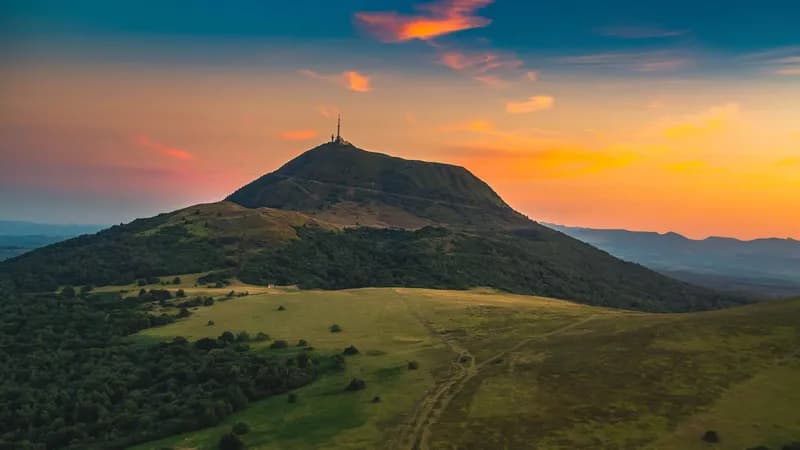
Auvergne as an Inclusive Travel Destination: Sustainable LGBTIQ+ Tourism is Developing
Growth of Inclusive Tourism in Auvergne

kk
In the heart of France, far from the hustle and bustle of the coast, lies a true paradise for those who value freedom and connection to nature: the Auvergne. Those traveling with a camper or tent will find a new discovery behind every volcano – whether it's a tranquil lake, an ancient town, or a fortress like something out of a forgotten time.
Volcanoes, valleys, and quiet villages
Auvergne lies in the geographical center of France, framed by the wooded heights of the Massif Central. This millennia-old landscape is significantly shaped by volcanic origins; around 80 volcanoes stretch across the region – the famous Chaîne des Puys, designated as a UNESCO World Heritage Site. Particularly impressive is the prominent Puy de Dôme, rising nearly 1,465 meters high. Thanks to a modern cogwheel train, visitors can comfortably go uphill – spectacular views included.
But it's not just volcano enthusiasts who will enjoy themselves: deep blue lakes, mysterious moors, and extensive forests are waiting to be explored on foot, by bike, or on the water. Among travelers, the Allier River is considered a hidden gem: one of the last untamed waterways in Europe winds through the wild protected area of Val d’Allier – here, kayaking tours filled with encounters with nature can be experienced.
Cultural treasures and pilgrimage traditions
In addition to grandiose natural landscapes, the Auvergne also has a rich history. Le Puy-en-Velay, for example, which is perched at an altitude of 625 meters, has been a starting point for the famous pilgrimage route to Santiago de Compostela since the Middle Ages. Even today, Romanesque architecture shapes the city's skyline: The Notre-Dame-du-Puy Cathedral and the massive statue of Mary on the Corneille Rock are landmarks that reach far beyond the region. Medieval charm also emanates from Polignac, located on a volcanic cone, with its mighty castle complex and postcard view of the surrounding landscape. Those who want to go even further back in time can explore the frescoes in the castle of Saint-Floret. They tell the story of Tristan and Isolde in vibrant colors and were created in the 13th century.
There are no limits to diversity: museums, theme parks, and local culinary festivals are being added. Families especially appreciate the interactive Vulcania Park, which brings the magic as well as the dangers of volcanoes to life with state-of-the-art technology.
Between Freedom and Rules: Camping in the Auvergne
The camping experience in Auvergne combines a connection to nature with French art de vivre. However, caution is advised: wild camping in France is subject to strict regulations and is only allowed with the explicit permission of the landowner. Overnight stays in public areas, at tourist attractions, or in protected areas remain prohibited. Those who wish to be flexible can stay in their camper van in regular parking spaces for a maximum of seven days – but without any camping behavior such as setting up chairs or tables. Actual camping, however, is abundantly possible in designated areas.
France has a total of around 11,000 campsites; over 400 of them are located in the Auvergne region. The offerings range from rustic pitches between apple trees to luxury resorts with heated pools, as well as family-friendly facilities with extensive entertainment options. Especially in the summer months, many sites enhance their appeal with regional markets, music evenings, and local delicacies – making them a perfect starting point for both discoveries and encounters.
"The Auvergne is a true paradise for nature-loving travelers – one rarely experiences such a diverse landscape and heartfelt originality in Europe. Campers, in particular, find their own freedom here," enthuses <strong>Jean Dupin</strong>, chairman of the local tourism association.
Nature-related tourism on the rise
Current developments show: The demand for nature-based, sustainable forms of travel is steadily increasing. According to recent statistics, the proportion of eco-campers in France has risen by over 10% in the past year. The Auvergne region stands out particularly for its environmentally friendly offerings – from solar charging stations at campsites to guided nature tours with certified rangers.
Last but not least, local tourism in Southern and Central Europe is booming, while classic long-distance travel is losing popularity. The authentic feeling of the Auvergne, the tranquility and expanse of the landscape, as well as the openness to discoveries make it a forward-looking alternative off the beaten path.
What the future brings
The Auvergne remains a refuge for campers and nature lovers, and the authorities are investing in environmentally friendly infrastructure and sustainable tourism. At the same time, local initiatives are increasingly committed to protecting the unique landscape and biodiversity. In the coming years, enhanced measures for visitor management and awareness of sustainable travel are planned to preserve the heritage of the volcanoes and historical sites.
Those seeking nature, culture, and inner peace will find in Auvergne one of the last great oases of Europe – a destination that gains in allure every year.
Further information is provided by the official French tourism agency and regional environmental organizations for conscious vacation planning.
Advertisement
Advertisement
Advertisement
Poll Of The Day
Wie lange sollte dein perfekter Urlaub dauern?
- A.Kurz & knackig
- B.Eine Woche
- C.Zwei Wochen
- D.Drei Wochen+
- E.Je länger, desto besser
- F.Hauptsache überhaupt Urlaub
LGBTIQ+ News

Der Oktober hat mehr zu bieten - SCHWULISSIMO Oktober 2026: Die neuen Ausgaben

Ashton Summers geht viral - User küren Darsteller für Hüftschwung zum „Golden Boy“

Wirbel um Jockstrap - Nasses Tennis-Outfit überrascht Fans und Community

Ein Kuss verändert alles - Bisexualität im Fokus: Neue Netflix-Serie „Minerva Academy“
Most Read


Advertisement
Video Of The Day
Advertisement
Advertisement
Advertisement
Poll Of The Day
Wie lange sollte dein perfekter Urlaub dauern?
- A.Kurz & knackig
- B.Eine Woche
- C.Zwei Wochen
- D.Drei Wochen+
- E.Je länger, desto besser
- F.Hauptsache überhaupt Urlaub
LGBTIQ+ News
Der Oktober hat mehr zu bieten - SCHWULISSIMO Oktober 2026: Die neuen Ausgaben
Ashton Summers geht viral - User küren Darsteller für Hüftschwung zum „Golden Boy“
Wirbel um Jockstrap - Nasses Tennis-Outfit überrascht Fans und Community
Ein Kuss verändert alles - Bisexualität im Fokus: Neue Netflix-Serie „Minerva Academy“
Most Read
Advertisement
Video Of The Day
Sullivan Catskills: LGBTIQ+ friendly offers meet tourist boom
Inclusive Beach Tourism 2025: LGBTIQ+ in the Spotlight of International Instagram Trends
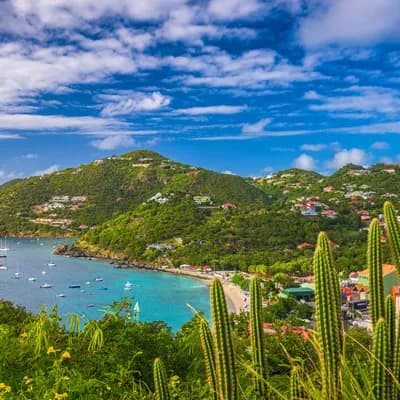
Inclusive Luxury: St. Barths Resort Welcomes LGBTIQ+ Travelers
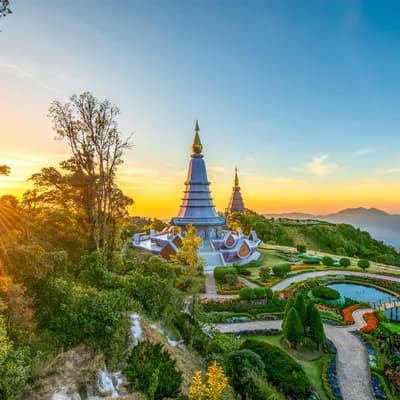
Thailand focuses on inclusive LGBTIQ+ tourism for luxury travel.

Queer Tours France

Centre LGBTI+ Lyon
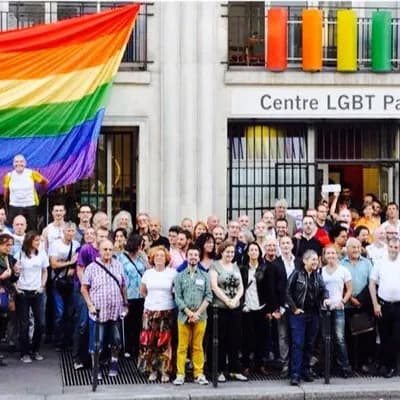
Lgbt center

Centre LGBTQIA+ Côte d'Azur
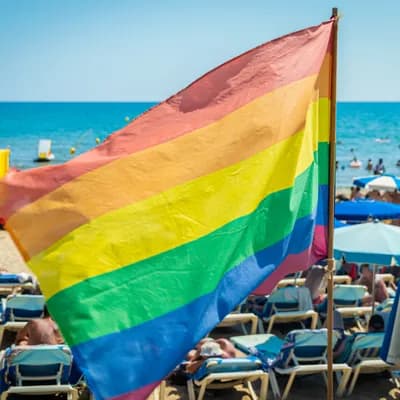
Sitges Pride Gay Village
CSD Traunstein
Queer Meeting