
.webp&w=3840&q=75)



Citizens' Initiative Secures Six-Year Opening of Poveglia as a Public Park
Citizen initiative secures access to Poveglia

kk
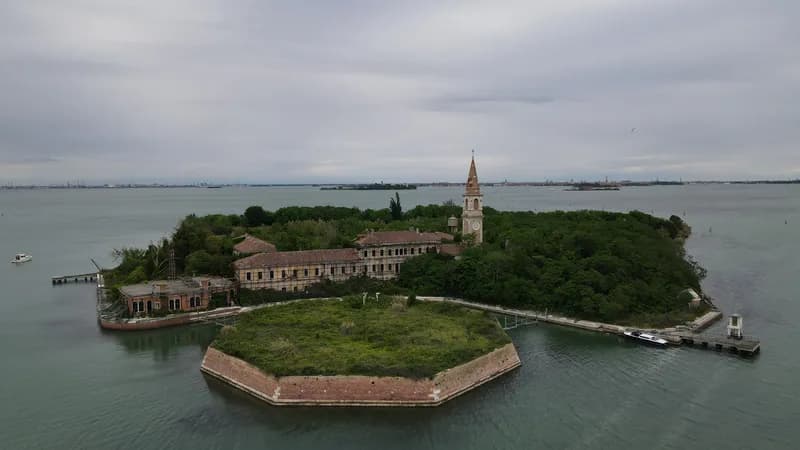
Hidden among Venice's shimmering canals and the colorful hustle and bustle of the lagoon lies a mysterious place that was long known simply as the "Island of Madness" or just Hell: <strong>Poveglia</strong>. Overgrown, decayed, and surrounded by ghost stories, the island south of the old town remained inaccessible for decades. However, Poveglia is now experiencing a surprising comeback that is catching the attention not only of Venetians but also of culture and nature enthusiasts across Europe. Rather than another luxury hotel, a unique community project is emerging here – a quiet revolution in the lagoon.
Of Pest, Madness, and Resistance
The history of Poveglia reads like a dark adventure book: Originally a refuge from attackers in the Middle Ages, the small island transformed into a quarantine station from the 18th century, where thousands of plague victims were isolated. Later, it housed a psychiatric clinic – an era that still gives the place a creepy reputation today. After the closure of the clinic in the 1960s, Poveglia fell into decay and became overgrown with dense underbrush, drifting into forgetfulness. Nevertheless, the morbid charm and the wild nature that reclaimed the island fascinated researchers, history enthusiasts, and – with special permits – a few adventurous souls, granting the island a cult status.
Aside from legends and myths, Poveglia has increasingly come into the spotlight of investors in recent years. The Italian government had plans to auction off the roughly 7.5-hectare area as part of a 99-year concession to private investors – at a time when mass tourism is nearly suffocating the lagoon. The neighboring Sacca Sessola was already converted into a luxury spa in this manner. However, the calculations were made without considering the strong will of the citizens: the initiative "Poveglia per tutti" formed, raised tens of thousands of euros, and fought for years against commercialization.
The return of the island to the community
2025 marks a turning point: After a lengthy legal battle, the citizens' initiative succeeded in securing the use of the northern part of Poveglia for the next six years. The initiative's plans stand in stark contrast to the development of other Venetian islands. This is not about exclusivity or profit maximization, but about sustainable urban development and nature conservation. The concept: The island is to be gradually opened to the public and gently transformed into a public park. The University of Verona is scientifically accompanying the project and is focusing, among other things, on the restoration of the ecosystem. Invasive plant species are being removed to strengthen the typical vegetation of the lagoon – an approach that connects current environmental trends with local identity.
With a special focus on involving the local population, the initiators emphasize transparency and participation. Long-term plans include developing retreats, walking paths, and cultural open spaces without damaging the historical heritage or the unique flora and fauna. This provides the heavily frequented city center of Venice with a refreshing option – a "green escape point" against mass tourism and the commercialization of the city.
Voices for a new island culture
"We have fought for years to ensure that Poveglia is open to everyone again. It would have been disastrous to reduce this history and the potential of this island to a luxury hotel," emphasizes <strong>Patrizia Veclani</strong> from the initiative "Poveglia for All."
Experts from the University of Verona highlight how rarely inhabited islands in Italy are opened for public transformation. Environmental organizations celebrate Poveglia as a model case in times of increasing overuse of many landmarks in Europe. In a fortunate collaboration between civil society, academia, and politics, a space for reflection is created here – and a public call to collectively shape the future.
Ray of hope for Venice's future
The new lifeline of Poveglia exemplifies a shift in Europe's monument and urban development policy. While many areas suffer from overtourism and risk losing their identity, Poveglia is charting a different course: protection and care take precedence over commercial pressures. If the community model succeeds, the six-year timeframe could be extended – and the ghost island could become a beacon project for sustainable urban development and citizen participation.
At the same time, challenges should not be underestimated: the restoration of listed ruins, ecological interventions, and ensuring a permanent, non-profit access will significantly determine future success. However, the message is clear: Venice's lagoon remains, not only touristically but also socially and ecologically, an experimental field for all of Europe.
Anyone who wants to learn more about sustainable urban development and citizen initiatives can find further information from organizations such as Europa Nostra, WWF Italy, or the research center at the University of Verona.
Advertisement
Advertisement
Advertisement
Poll Of The Day
Wie lange sollte dein perfekter Urlaub dauern?
- A.Kurz & knackig
- B.Eine Woche
- C.Zwei Wochen
- D.Drei Wochen+
- E.Je länger, desto besser
- F.Hauptsache überhaupt Urlaub
LGBTIQ+ News

Mehr Schutz für Gewaltopfer - Gewaltopfer sollen leichter ausziehen

Zwischenwahlen in den USA - Werte schlagen gemeinsame LGBTIQ+-Identität

Coming-Out im Fußball - Ryan Atkin spricht über sein Leben nach dem Outing

James Baldwin im Kino - Die Obamas verfilmen Baldwins Liebesleben
Most Read


Advertisement
Video Of The Day
Advertisement
Advertisement
Advertisement
Poll Of The Day
Wie lange sollte dein perfekter Urlaub dauern?
- A.Kurz & knackig
- B.Eine Woche
- C.Zwei Wochen
- D.Drei Wochen+
- E.Je länger, desto besser
- F.Hauptsache überhaupt Urlaub
LGBTIQ+ News
Mehr Schutz für Gewaltopfer - Gewaltopfer sollen leichter ausziehen
Zwischenwahlen in den USA - Werte schlagen gemeinsame LGBTIQ+-Identität
Coming-Out im Fußball - Ryan Atkin spricht über sein Leben nach dem Outing
James Baldwin im Kino - Die Obamas verfilmen Baldwins Liebesleben
Most Read
Advertisement
Video Of The Day
Ellinikon opens first part of the mega project
Via Verde opens at the Abruzzo's Costa dei Trabocchi
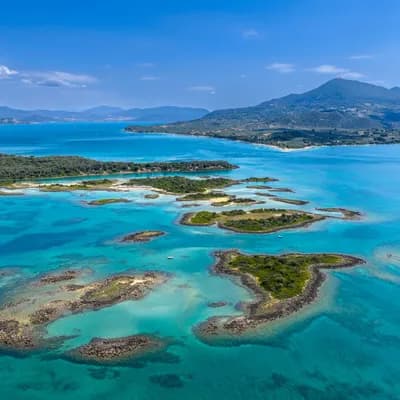
Lichadonisia receives EU funding for sustainable tourism
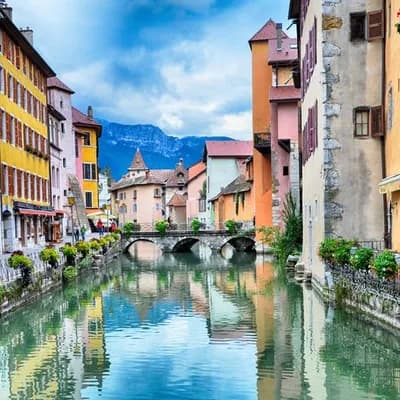
Annecy opens Cité des Animationsfilms 2026
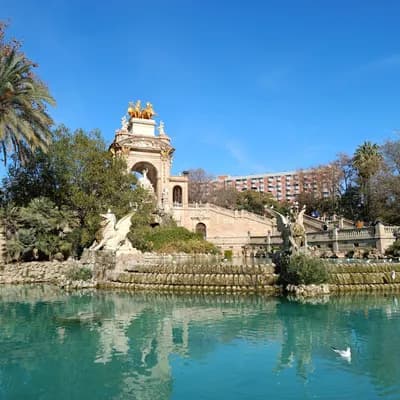
Ciutadella Park

Padova Pride Village

Peoples Park ("Bürgerpark")

Il Parco
Summer Cinema Open Air - Regional Short Films: Deer on the Prowl
Sitges Pride Gay Village
Summer Cinema Open Air: Cologne 75