
.webp&w=3840&q=75)


Croatia bans the sale of alcohol at night along the Adriatic
Bars remain exempt

kk
Croatia slows down nighttime parties – alcohol ban on the Adriatic coast
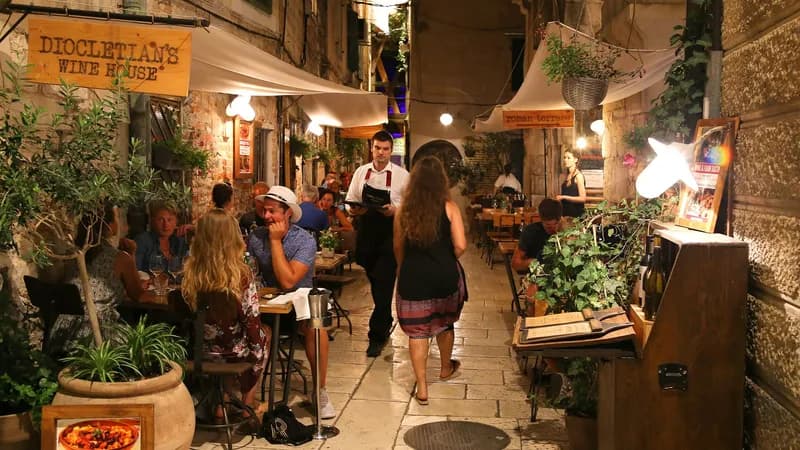
Anyone strolling through the old town alleys of Croatia this summer will have to adapt to new rules: In three of the most popular holiday resorts on the Adriatic coast – Split, Makarska, and Novalja on the island of Pag – travelers and locals will no longer be allowed to purchase alcohol at night. The Croatian legislator is tightening regulations on the nighttime sale of alcoholic beverages after long pressure from municipalities and residents in order to combat the rampant parties in tourist hotspots.
The most important points at a glance
- The municipalities of Split, Makarska, and Novalja are introducing a nighttime sales ban on alcohol from 11 PM to 6 AM.
- The basis is a new law passed by the Croatian Parliament, which grants local authorities corresponding powers.
- Violations are punished with fines, which can reportedly be quite substantial.
- Croatia is responding specifically to complaints about noise, litter, and alcohol excesses caused by party tourism.
- The ban applies to supermarkets, kiosks, and gas stations, but not to serving in bars and restaurants.
New rule for party tourism
The Croatian holiday oases of Split, Makarska, and Novalja have immediately implemented the law passed in May 2024. With the start of the summer season, the sale of beer, wine, and spirits in shops, gas stations, and kiosks during nighttime hours is now prohibited. The background: In recent years, complaints about loud outdoor parties, vandalism, and littering have dramatically increased, especially in the small old town districts. Many local residents felt increasingly burdened by the nighttime excesses of often international guests.
Goals and first reactions on site
With the new regulations, the city administrations do not want to restrict nightlife but rather maintain the quality of life and alleviate the burden on city cleaning. Local media cite Split Mayor Ivica Puljak:
"We need a clear framework to limit excessive alcohol consumption and keep our city attractive for everyone."
Bars and restaurants are still allowed to serve alcohol, which gives a perspective to the legal nightlife – at the same time, it prevents drinking parties from spilling out onto the streets and public squares. Anyone who nonetheless violates the sales ban can expect penalties of several hundred euros.
Southeast Europe against binge tourism
Croatia is following the example of other European Mediterranean destinations like Mallorca, which are trying to curb "excess tourism" with similar measures. Already in the spring, local tourism associations made it clear: They expect cleaner beaches, fewer police interventions, and a more family-friendly image for their towns from the nighttime alcohol restrictions.
Important questions on the topic
Does the ban also apply in hotels?No, the sales ban during night hours only applies to shops, gas stations, and kiosks, but not to bars, restaurants, or hotel bars.
Since when is the law in effect?The Croatian Parliament passed the new regulation in May 2024. First municipalities are implementing it consistently at the start of the summer holidays.
With the new regulations, Croatia is adapting to the changed travel behavior and the clear desire of many residents for tranquility. Whether the measure will redirect party tourism in the long term or attract entirely new travelers to the Adriatic coast remains exciting and is likely to shape the character of the holiday region.
Advertisement
Advertisement
Advertisement
Poll Of The Day
Wie lange sollte dein perfekter Urlaub dauern?
- A.Kurz & knackig
- B.Eine Woche
- C.Zwei Wochen
- D.Drei Wochen+
- E.Je länger, desto besser
- F.Hauptsache überhaupt Urlaub
LGBTIQ+ News

Sexpositive Menschen - Stadtrat stimmt für mehr Rechte für nicht-monogame Menschen

Eklat um US-Republikaner - Kandidat wegen homophober Hass-Aussagen in der Kritik

Lambda gründet eigene Stiftung - 1,5 Millionen Euro als langfristiges Ziel

Schließung des Kennedy Centers - Namensstreit mit US-Präsident Trump landet vor Gericht
Most Read


Advertisement
Video Of The Day
Advertisement
Advertisement
Advertisement
Poll Of The Day
Wie lange sollte dein perfekter Urlaub dauern?
- A.Kurz & knackig
- B.Eine Woche
- C.Zwei Wochen
- D.Drei Wochen+
- E.Je länger, desto besser
- F.Hauptsache überhaupt Urlaub
LGBTIQ+ News
Sexpositive Menschen - Stadtrat stimmt für mehr Rechte für nicht-monogame Menschen
Eklat um US-Republikaner - Kandidat wegen homophober Hass-Aussagen in der Kritik
Lambda gründet eigene Stiftung - 1,5 Millionen Euro als langfristiges Ziel
Schließung des Kennedy Centers - Namensstreit mit US-Präsident Trump landet vor Gericht
Most Read
Advertisement
Video Of The Day
Croatia limits visitors on the Adriatic coast

Prag will keine Jungesellinen- und Jungesellenabschiede mehr
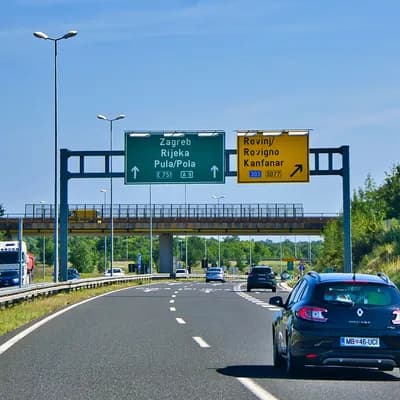
Croatia abolishes toll stations: Digital from 2027

MILK fun area & cocktails
Ibiza reduces car rental quota for summer 2026 to 14,000

City Pub
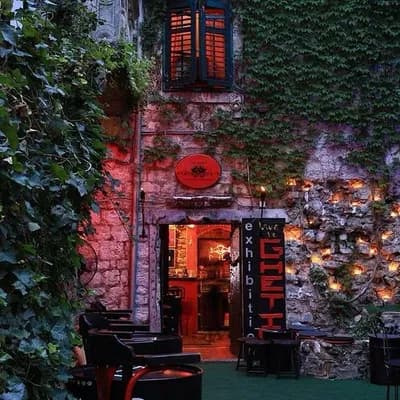
Academia Club Ghetto
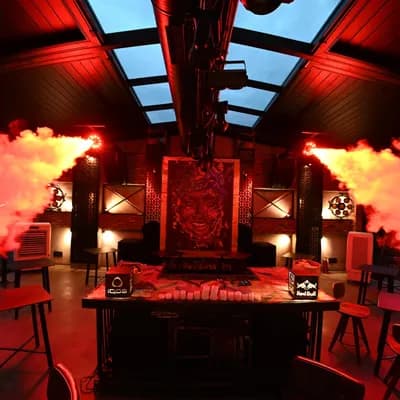
Intermezzo Music Bar
Wine Market on the Cologne Rhine – Opening Day
Wine Market on the Cologne Rhine Bank – Final Day
Wine Market on the Riverside of Cologne – Weekday Opening