.webp&w=3840&q=75)


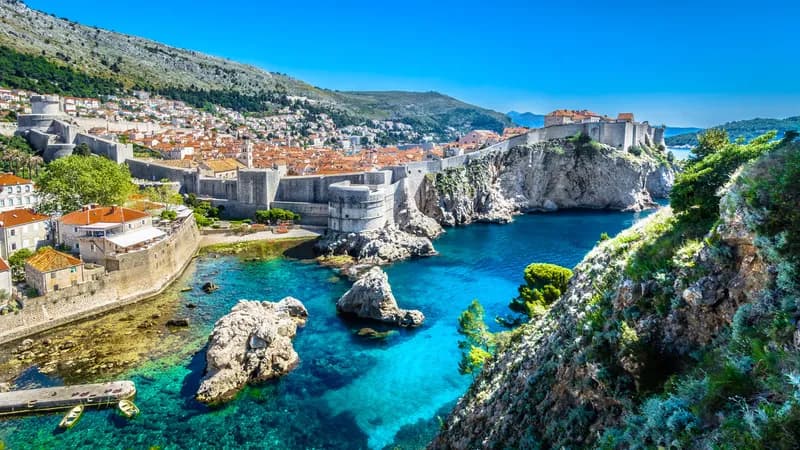
Croatia limits visitors on the Adriatic coast
Digital Tickets for Beaches

kk
In Croatia, the government passed a new legislative proposal on June 1, 2024, that affects travelers and residents.The popular Adriatic coast is receiving stricter regulations to reduce mass tourism and protect local quality of life. This is especially relevant for the holiday season, during which millions of visitors come each year.The decision brings changes – from new capacity limits to sustainable transportation concepts.
The most important things at a glance
- On June 1, 2024, a package of new regulations came into effect immediately for the Adriatic region.
- For beaches and attractions, there is now a maximum limit on visitors, which is monitored digitally.
- Those who seek access without a valid daily registration risk high fines of up to 400 euros.
- Parking in coastal towns will only be allowed with a digital ticket in the future; illegal parking will be strictly monitored.
- New night train connections will for the first time connect Croatian coastal cities directly with Vienna and Munich.
Measures against overcrowding
Along the picturesque coast from Split to Dubrovnik, digital access quotas are being introduced for the first time. HolidaymakersVisitors must reserve popular beaches, national parks, and old towns online in advance. For the coastal city of Dubrovnik, known for its picturesque old town, a maximum of 8,000 guests are allowed per day. Those arriving spontaneously may find themselves facing closed gates – and it will be expensive as well. The registration requirement also applies to cruise passengers, whose shore excursions are strictly limited. The stated goal: travel experience and everyday life of the residents.Inside should no longer be affected by excessive crowds.
Mobility reimagined
In the charming Pula or on the white rocky beaches of Makarska, parking spaces are kept scarce and strictly managed digitally. For cars, motorhomes, and even motorized two-wheelers, the rule is: without a pre-booked ticket, a fine is imminent, and drones and surveillance cameras monitor occupancy in real-time. The Croatian railway company announces a sustainable shift in transportation. In cooperation with Austria and Germany, night trains are now environmentally friendly, running directly from Vienna and Munich to Rijeka and Split. Cities and municipalities receive financial incentives to electrify buses and ferries and to expand bicycle rental systems.
"We protect our coast so that people and nature remain in balance," emphasizes Environment Minister Marija Vučković.
Background and Outlook
Croatia is one of the travel destinations with the fastest growing number of visitors.Visitor numbers in Europe. The new measures incorporate insights from UNESCO and international tourism authorities to preserve World Heritage sites and natural areas. Last year, over 20 beaches and attractions successfully implemented pilot programs for digital access controls. A nationwide monitoring system, introduced on June 1, 2024, reports daily occupancy directly to the authorities. The acceptance among touristsThe number of visitors is surprisingly high, reports the Croatian Tourism Board.
The actual impact of the measures on the holiday experience and how visitor flows will change in the long term remains an exciting question. One thing is clear: Anyone traveling to the Adriatic this summer should be well prepared – and secure digital reservations and tickets in good time.
Advertisement
Advertisement
Advertisement
Poll Of The Day
Wie lange sollte dein perfekter Urlaub dauern?
- A.Kurz & knackig
- B.Eine Woche
- C.Zwei Wochen
- D.Drei Wochen+
- E.Je länger, desto besser
- F.Hauptsache überhaupt Urlaub
LGBTIQ+ News

Der Oktober hat mehr zu bieten - SCHWULISSIMO Oktober 2026: Die neuen Ausgaben

Ashton Summers geht viral - User küren Darsteller für Hüftschwung zum „Golden Boy“

Wirbel um Jockstrap - Nasses Tennis-Outfit überrascht Fans und Community

Ein Kuss verändert alles - Bisexualität im Fokus: Neue Netflix-Serie „Minerva Academy“
Most Read


Advertisement
Video Of The Day
Advertisement
Advertisement
Advertisement
Poll Of The Day
Wie lange sollte dein perfekter Urlaub dauern?
- A.Kurz & knackig
- B.Eine Woche
- C.Zwei Wochen
- D.Drei Wochen+
- E.Je länger, desto besser
- F.Hauptsache überhaupt Urlaub
LGBTIQ+ News
Der Oktober hat mehr zu bieten - SCHWULISSIMO Oktober 2026: Die neuen Ausgaben
Ashton Summers geht viral - User küren Darsteller für Hüftschwung zum „Golden Boy“
Wirbel um Jockstrap - Nasses Tennis-Outfit überrascht Fans und Community
Ein Kuss verändert alles - Bisexualität im Fokus: Neue Netflix-Serie „Minerva Academy“
Most Read
Advertisement
Video Of The Day
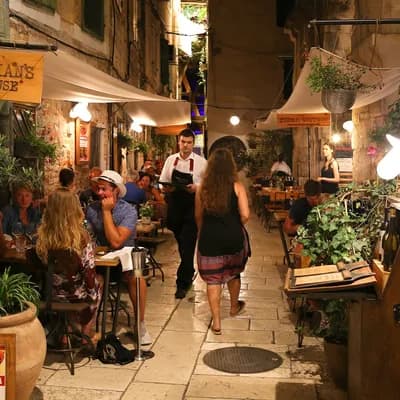
Croatia bans the sale of alcohol at night along the Adriatic
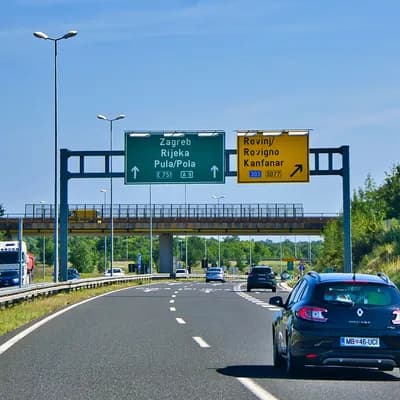
Croatia abolishes toll stations: Digital from 2027
Ibiza reduces car rental quota for summer 2026 to 14,000
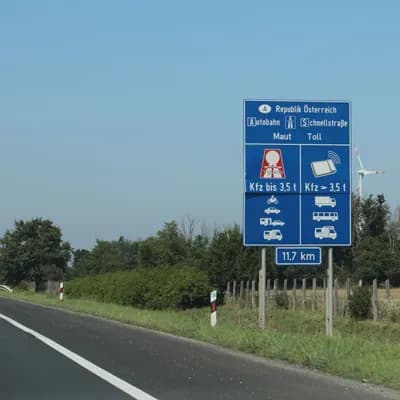
Austria abolishes the adhesive toll sticker by 2027
Carpe Diem Beach Hvar

Cultural Information Center (KIC)

MILK fun area & cocktails

Cabana Beach Curacao
Summer Cinema Open Air - Regional Short Films: Deer on the Prowl
Wine Market on the Cologne Rhine – Opening Day
Summer Cinema Open Air: Cologne 75