
.webp&w=3840&q=75)



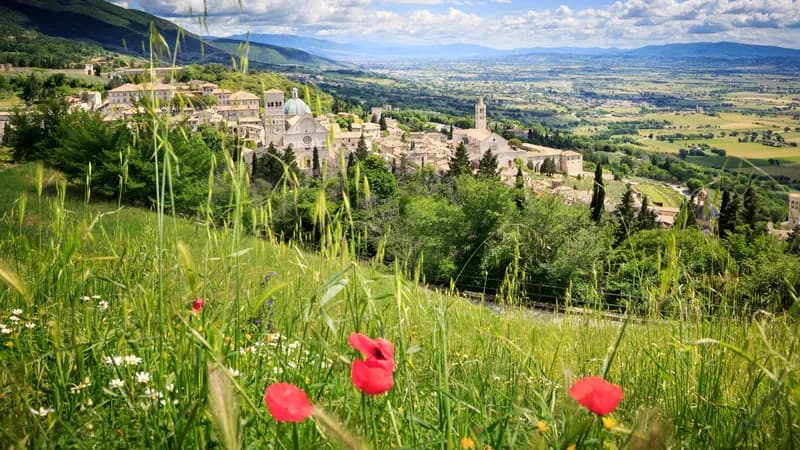
Lazio's Pilgrim Routes are Digitally Connected
App leads to hidden places

kk
Tourists and pilgrims who follow the traces of antiquity around Rome can now experience a real digital adventure: Five...
Tourists and pilgrims who follow the trails of antiquity around Rome can now experience a true digital adventure: Five traditional pilgrimage and trade routes in Lazio have been equipped with cutting-edge technology to reshape the discovery of hidden places. The project relies on over 60 digital stations that communicate directly on-site via smartphone – an innovation that, according to the Italian Tourism Board ENIT, brings lesser-known treasures to light.
The most important things at a glance
- 60 Bluetooth stations installed along five ancient routes in Latium.
- The free app Italia.it provides information via smartphone.
- 40 percent of the stations lead to places that are hardly on regular routes.
- Free Wi-Fi available at every digital station.
- Interactive online map complements the digital offering.
Ancient paths, modern adventure
The famous Via Francigena, the Franciscan Way, the Benedictine Way, the Via Romea Germanica, and the Via Strata have connected Rome with all of Europe for centuries – but off the well-known stages, their paths lead through villages, castles, and churches that even experienced Italy fans find surprising. Now, small, essential modules at 60 selected stations send knowledge and orientation aids directly to the phone as soon as hikers approach. Provided the Italia.it app is loaded, digital windows to legends of bygone times and quiet viewpoints where Tuscany and Latium reveal their original face open as if by magic.
App, map and Wi-Fi: High-tech on old paths
The special feature: With the state app, local history is not only available as text but also in multimedia format and in real time on the display – a service that allows for a breath of fresh air without data anxiety, including free Wi-Fi. Those who prefer to research before setting off can find the information along with route overviews on an openly accessible online map. This makes the experience deeply customizable: Those who wish can specifically plan stopovers away from the famous routes and discover places that rarely appear in international travel guides like Lonely Planet or National Geographic, according to ENIT.
"We want to show that these routes offer far more than just legendary pilgrimage paths – they are the key to hidden cultural treasures," explains a project spokesperson from ENIT.
More sustainability and deceleration for travel enthusiasts
The real twist behind the high-tech offensive lies in the promotion of sustainable and decelerated tourism. Instead of pushing through well-known hotspots, guests can experience the historic landscapes in silence, while the app offers tailored alternatives to common paths. Digitalization also opens up new opportunities for small communities to present themselves as authentic travel destinations. Both pilgrims and independent travelers equally benefit: the old can be explored in entirely new ways through modern technology.
Still unknown: How much does technology change the pilgrimage feeling?
Whether this digital initiative influences the classic pilgrimage experience or sparks entirely new travel desires remains an open question – but one thing is certain: The roads to Rome are not only older than most road networks in Europe but also more digital than ever before. Those who want to discover Rome will now find an innovative blend of tradition, information, and surprise beyond the usual paths.
Advertisement
Advertisement
Advertisement
Poll Of The Day
Wann beginnt für Dich der Urlaubskick?
- A.Schon Monate vorher, direkt nach dem Abschicken der Buchung
- B.In den Wochen davor beim Recherchieren von Ausflugszielen und Restaurants
- C.Beim Kofferpacken am Tag vor der Abreise
- D.Am Tag der Abreise auf dem Weg zum Flughafen oder Bahnhof
- E.Erst in dem Moment, in dem ich das Hotelzimmer betrete
- F.Der Kick kommt gar nicht, ich bin vor der Abreise nur gestresst
LGBTIQ+ News


Most Read


Advertisement
Video Of The Day
Advertisement
Advertisement
Advertisement
Poll Of The Day
Wann beginnt für Dich der Urlaubskick?
- A.Schon Monate vorher, direkt nach dem Abschicken der Buchung
- B.In den Wochen davor beim Recherchieren von Ausflugszielen und Restaurants
- C.Beim Kofferpacken am Tag vor der Abreise
- D.Am Tag der Abreise auf dem Weg zum Flughafen oder Bahnhof
- E.Erst in dem Moment, in dem ich das Hotelzimmer betrete
- F.Der Kick kommt gar nicht, ich bin vor der Abreise nur gestresst
LGBTIQ+ News
Most Read
Advertisement
Video Of The Day
More than Rome, Florence, or Venice
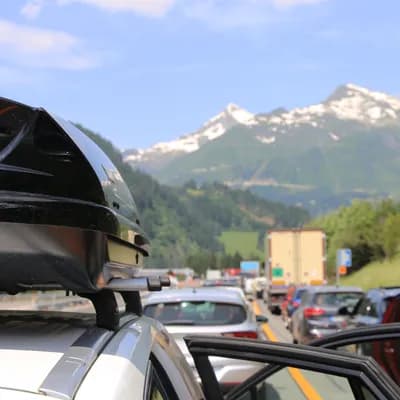
Italy now reimburses tolls for traffic jams at construction sites

Ireland strengthens offerings for LGBTIQ+ tourists with new travel packages

Grindr is changing the holiday habits of gay couples
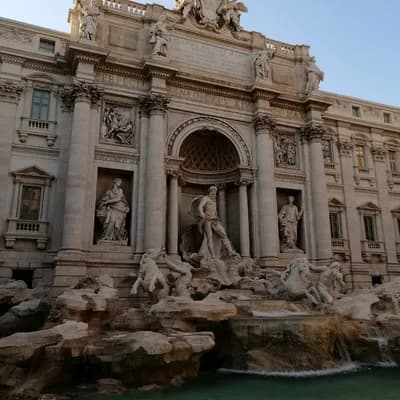
The Roman Gay

Bici e Baci

The Sanctuary Eco Retreat

Trattoria di Via Serra
New in Mannheim: Romería – My Mother's Diary
From the Region: Ethiopia Transformed
Wine Market on the Cologne Rhine – Opening Day
