
.webp&w=3840&q=75)

LGBTQ+ Travel in the UAE: Between Law and Private Openness
LGBTQ+ between Criminal Law and Everyday Life

kk
Between glitter, tradition, and tolerance – A discovery tour through Abu Dhabi and Dubai The United Arab Emirates have transformed into...
Between Glitter, Tradition, and Tolerance – A Discovery Tour Through Abu Dhabi and Dubai
The United Arab Emirates have rapidly transformed from sleepy coastal towns to one of the most vibrant epicenters for art, culture, and luxury in the Middle East. Particularly, Abu Dhabi and Dubai attract with endless beaches, visionary architecture, and a new openness to international travelers – but what is the reality regarding cultural diversity, especially for LGBTQ+ travelers?
Trend metropolises on the Arabian Gulf
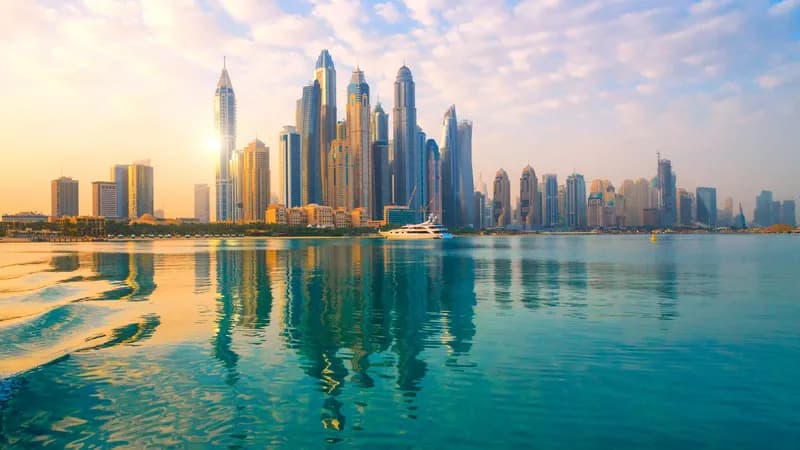
Today, those visiting Abu Dhabi or Dubai will find a fascinating blend of ultra-modern lifestyle and respectful preservation of traditions. Once predominantly inhabited by fishermen and pearl divers, the discovery of oil in the 1960s changed everything: steel skyscrapers pierce the desert sun today, foremost among them the Burj Khalifa, the tallest building in the world. Glittering hotels line up next to palatial cultural centers, while islands like Saadiyat in Abu Dhabi are becoming powerhouses for art and education, with branches of renowned universities and spectacular museums like the Louvre Abu Dhabi.
Nature lovers discover not only fine sand at the "Beach of the Happy" on Saadiyat, but also the annual nesting of the rare Hawksbill sea turtles and playful schools of dolphins in the turquoise water. Those seeking more action can participate in fitness classes, yoga workshops, or relax in the Osman-inspired spa of international luxury hotels.
The Emirates are in a fierce competition for cultural superlatives: Major projects like the Guggenheim Abu Dhabi, a new opera by Zaha Hadid, and the visionary Sheikh Zayed National Museum are currently being developed on Saadiyat Island. In neighboring Dubai, the futuristic "Museum of the Future" attracts both technology enthusiasts and dreamers alike. And what about the shopping experience? Whether it's the Mall of the Emirates with its indoor ski slope and penguins (!) or the Dubai Mall with 1,200 shops, an ice rink, and the largest choreographed fountain in the world – boredom has no chance here.
Between enjoyment, prayer, and social diversity
Together celebrating, separately believing: The Abrahamic Family House on Saadiyat Island presents itself impressively. In three distinctive white cubes, a mosque, synagogue, and church stand side by side quite naturally – an architectural manifesto for tolerance and dialogue.
Equally impressive is the gigantic Sheikh Zayed Mosque, which has space for 40,000 worshippers in its sparkling marble splendor. The sacred monument combines artistic Western and Arabic design with a deeply spiritual atmosphere – and is today one of the most visited attractions in the world.
But the humble beginnings are still palpable: A visit to the historic district at Dubai Creek, with its wind towers and bazaars, evokes memories of Abu Dhabi and Dubai before the boom – and invites you to haggle over spices, fabrics, and gold jewelry in an oriental setting.
LGBTQ+ lifestyle: Between caution and zest for life
The question arises: How open and safe do queer travelers really feel in the Emirates? The existing law formally prescribes harsh penalties for same-sex acts, yet official statistics and reports suggest that these laws are currently hardly enforced in everyday life, especially towards foreigners. Public life remains characterized by conservative restraint – openly displayed affection, whether heterosexual or homosexual, is frowned upon and can lead to misunderstandings.
Nevertheless, an international and partly queer community is establishing itself, which – often in a private setting – maintains a surprisingly vibrant social network. As a long-time expat reports:
"We live relatively openly with many gay friends, love cleanliness, safety, and the great salaries. As long as you show respect and adapt to the local customs, you can live well here," reports Victor, a US architect in Abu Dhabi.
Huge hotel bars, rooftop clubs, and exclusive gatherings in private apartments characterize a diverse nightlife in Dubai and Abu Dhabi, which, while not explicitly labeled as "gay friendly," certainly welcomes queer guests – with the necessary degree of discretion.
Open pride events or a queer cultural scene are conspicuously absent here. Nevertheless, there is a sense of new beginnings: Pop icons like Ricky Martin or Beyoncé have made international headlines with their performances in recent years. At the same time, access to dating apps or LGBTQ websites is often only possible through VPN services. Guests should also never risk bringing in prohibited substances and should be prepared for sensitive differences – for example, hotels that may provide separate beds for same-sex couples.
Cultural tips, climate, and future outlook
Those traveling between October and April can enjoy the pleasantly mild climate and visit highlights such as the Dubai Miracle Garden or the Butterfly Gardens – as temperatures can reach up to 50 degrees in summer. The connectivity through metro, taxi, and bike-sharing makes getting around easy; high safety and cleanliness are also regularly confirmed by international organizations.
Politically and socially, the Emirates are evolving, driven in no small part by the visions of their leaders. During Expo 2020 Dubai, the country was visited by millions of people who discussed international diversity and experienced new technologies. Nevertheless, it remains advisable to demonstrate cultural sensitivity and to exercise restraint when in doubt – just as in any place where different ways of life collide.
With a critical yet curious perspective, it should be noted that Abu Dhabi and Dubai are today places where prosperity, art, spirituality, and openness create a fascinating mosaic. Those who are willing to engage with the peculiarities and limitations will experience brilliance and surprises that are unparalleled – regardless of whom one loves.
Further information and current recommendations for LGBTQ+ travel in the Emirates are provided by the major human rights organizations as well as the official tourism websites of the cities.
Advertisement
Advertisement
Advertisement
Poll Of The Day
Wann beginnt für Dich der Urlaubskick?
- A.Schon Monate vorher, direkt nach dem Abschicken der Buchung
- B.In den Wochen davor beim Recherchieren von Ausflugszielen und Restaurants
- C.Beim Kofferpacken am Tag vor der Abreise
- D.Am Tag der Abreise auf dem Weg zum Flughafen oder Bahnhof
- E.Erst in dem Moment, in dem ich das Hotelzimmer betrete
- F.Der Kick kommt gar nicht, ich bin vor der Abreise nur gestresst
LGBTIQ+ News

Heated Rivalry im Kino - Connor Storrie verkürzt zudem die Wartezeit auf Staffel 2

Letzte Küsse in der Kutsche - Central Park verliert Liebeszauber

Schwuler Volleyballstar - Rui Takahashi berichtet vom Rückhalt seines Bruders

Schwere Vorwürfe gegen Graham - Dokumentation über Sexleben des verstorbenen US-Senators
Most Read

Advertisement
Video Of The Day
Advertisement
Advertisement
Advertisement
Poll Of The Day
Wann beginnt für Dich der Urlaubskick?
- A.Schon Monate vorher, direkt nach dem Abschicken der Buchung
- B.In den Wochen davor beim Recherchieren von Ausflugszielen und Restaurants
- C.Beim Kofferpacken am Tag vor der Abreise
- D.Am Tag der Abreise auf dem Weg zum Flughafen oder Bahnhof
- E.Erst in dem Moment, in dem ich das Hotelzimmer betrete
- F.Der Kick kommt gar nicht, ich bin vor der Abreise nur gestresst
LGBTIQ+ News
Heated Rivalry im Kino - Connor Storrie verkürzt zudem die Wartezeit auf Staffel 2
Letzte Küsse in der Kutsche - Central Park verliert Liebeszauber
Schwuler Volleyballstar - Rui Takahashi berichtet vom Rückhalt seines Bruders
Schwere Vorwürfe gegen Graham - Dokumentation über Sexleben des verstorbenen US-Senators
Most Read
Advertisement
Video Of The Day
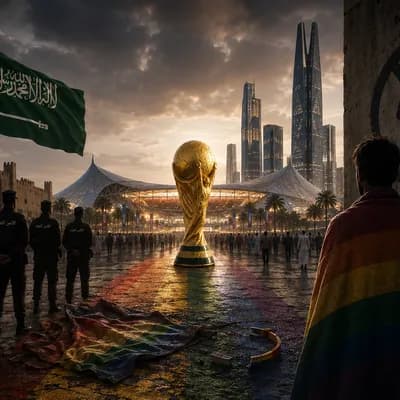
Saudi Arabia courts LGBTQ+ fans ahead of the 2034 World Cup
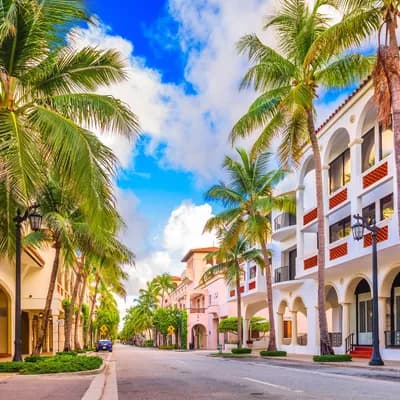
Palm Beach: Tolerance and Diversity Attract LGBTQ Travelers
London as a Pioneer: Safety and Diversity for Queer Travelers
Dublin Revamps Cityscape – Queer Scene Makes a Statement
Davie Village

Derbyshire LGBT+

Ruby Deluxe

Queer Tours France

Stuttgart PRIDE - Political Demonstration

Raising the Rainbow Flag + Demo
CSD Duisburg – Demonstration for Diversity, Respect, and Acceptance