
.webp&w=3840&q=75)


Queer History in Charleston: From Activism to Visibility
Queer visibility in Charleston is growing

kk
In Charleston, the unusual awaits at every corner. Already in the early morning, a special sound fills the historic downtown: the...
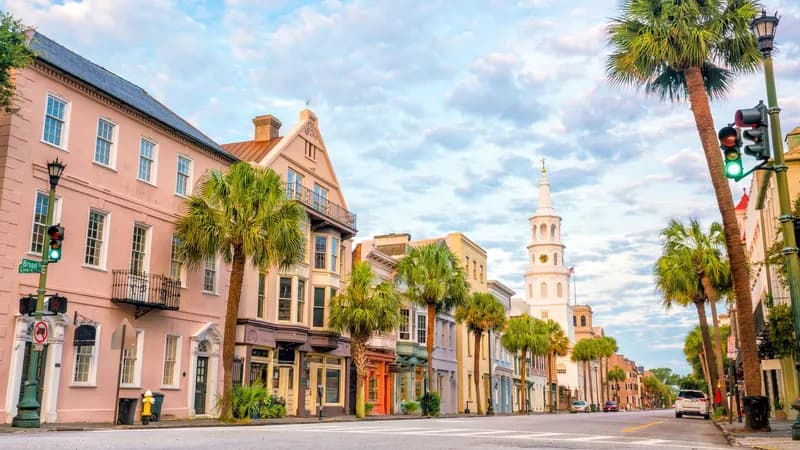
In Charleston, the unusual waits at every corner. Early in the morning, a special sound fills the historic downtown: the gentle clattering of horse hooves mixes with the laughter from the market stalls and the chatter under centuries-old oaks. Charleston – famous as the "Holy City" because of the many church steeples on the horizon – has long been a place of longing for those who love history. Yet beyond the colonial facades and old mansions, a surprisingly vibrant queer scene has emerged here, with roots deep in the past and pulsating into the present.
History between palms and rainbows
Walking through the streets of Charleston, one encounters an impressive mix of architectural styles: Colonial buildings, Victorian splendor, and Neo-Gothic churches compete for attention. All of this is surrounded by a touch of Southern romance – and yet, within the walls of this city lies another, often overlooked story. Charleston was once the center of the American slave trade, and many of the magnificent houses on the famous Battery were built with money from this dark chapter. The city today openly addresses this legacy: TheInternational African American Museumprovides an impressive, often thought-provoking insight into African American history and the Gullah culture of the region. The museum opened in 2023 and has since been considered an important symbol of change – a step that has brought international recognition to Charleston.
Experience queer history up close
Surprisingly diverse is also the LGBTQ life of the city. Charleston is now considered one of the most open places in conservative South Carolina. One of the most colorful ways to explore queer history is the interactive "The Real Rainbow Row" walking tour, which attracts many visitors, especially in the summer. Highlights include the stories of Dawn Langley Hall, one of America's first trans women, and legendary artists who secretly created meeting spots in the colorful houses along Rainbow Row decades ago. The tour illustrates how a rather hidden community has, over the years, transformed into an open, proud movement that is now an integral part of Charleston's everyday life.
Delightful way of life and hospitality
Anyone who wants to enjoy harbor air should take a boat trip on the historic.Schooner Pridenot to be missed. From the water, there is an impressive view of the skyline, characterized by church towers and villas. Dolphins often accompany tourists while typical American amusements entice along the shore – from take-out oyster bars to bustling beachfront promenades on Sullivan's Island. Charleston also showcases culinary diversity: from award-winning barbecue in modern-rustic establishments like theLewis Barbecueup to charming cafés, where the famous Southern biscuits are reinterpreted with creative fillings, hardly any wish remains unfulfilled.
Change through commitment – Voices from the community
The queer community of Charleston is closely connected and not only organizes around the annual Pride event but also engages in social justice, integration, and visibility. One of the driving forces is the <strong>Alliance for Full Acceptance (AFFA)</strong>, which has been advocating for rainbow rights for over two decades. The movement began when the first activists came out in the late 1980s, significantly shaking up Stonewall-like conditions in the South. In an emotional reflection, a co-founder describes:
"We consciously decided to be visible back then. That was our little Stonewall moment in Charleston. Few of us were truly out – today, however, we are part of the entire city. Our emancipation has influenced Charleston."
Current reports show that acceptance is steadily increasing: More and more queer couples are choosing to get married or even put down roots in Charleston – a trend that is being observed nationwide and is sustainably shaping tourism.
Charleston on the Move: Challenges and Opportunities
Despite all progress, the balance between tradition and modernity remains delicate. Many locals value the preservation of the city's authenticity. For example, there is criticism regarding the establishment of large cruise terminals, as well as an intense dialogue about sustainable tourism and environmental aspects in the port. At the same time, new cultural initiatives are continually emerging, such as the annual event.Spoleto Festival, which attracts an international audience with its variety of performances and queer artists.
Meanwhile, Charleston presents itself as a lively, progressive community, whose diversity is reflected not only in its architecture but also in its neighborly interactions.
Interested parties can find further information from the Alliance for Full Acceptance, the International African American Museum, or the official tourism offices of the city, which offer programs for queer travel year-round.
Advertisement
Advertisement
Advertisement
Poll Of The Day
Wann beginnt für Dich der Urlaubskick?
- A.Schon Monate vorher, direkt nach dem Abschicken der Buchung
- B.In den Wochen davor beim Recherchieren von Ausflugszielen und Restaurants
- C.Beim Kofferpacken am Tag vor der Abreise
- D.Am Tag der Abreise auf dem Weg zum Flughafen oder Bahnhof
- E.Erst in dem Moment, in dem ich das Hotelzimmer betrete
- F.Der Kick kommt gar nicht, ich bin vor der Abreise nur gestresst
LGBTIQ+ News

Schwuler Volleyballstar - Rui Takahashi berichtet vom Rückhalt seines Bruders

Schwere Vorwürfe gegen Graham - Dokumentation über Sexleben des verstorbenen US-Senators

Haiti verschiebt die Wahlen - LGBTIQ+-Aktivisten schlagen Alarm

Neue Vorwürfe in Turkmenistan - Schwuler Mann berichtet von Folter
Most Read


Advertisement
Video Of The Day
Advertisement
Advertisement
Advertisement
Poll Of The Day
Wann beginnt für Dich der Urlaubskick?
- A.Schon Monate vorher, direkt nach dem Abschicken der Buchung
- B.In den Wochen davor beim Recherchieren von Ausflugszielen und Restaurants
- C.Beim Kofferpacken am Tag vor der Abreise
- D.Am Tag der Abreise auf dem Weg zum Flughafen oder Bahnhof
- E.Erst in dem Moment, in dem ich das Hotelzimmer betrete
- F.Der Kick kommt gar nicht, ich bin vor der Abreise nur gestresst
LGBTIQ+ News
Schwuler Volleyballstar - Rui Takahashi berichtet vom Rückhalt seines Bruders
Schwere Vorwürfe gegen Graham - Dokumentation über Sexleben des verstorbenen US-Senators
Haiti verschiebt die Wahlen - LGBTIQ+-Aktivisten schlagen Alarm
Neue Vorwürfe in Turkmenistan - Schwuler Mann berichtet von Folter
Most Read
Advertisement
Video Of The Day
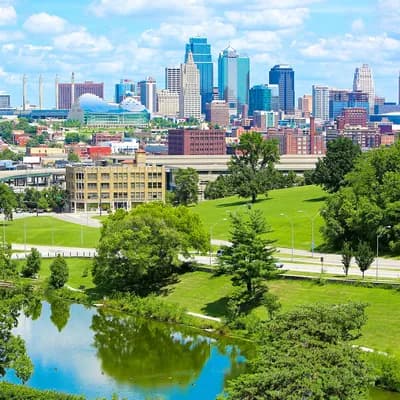
Kansas City: Vibrant LGBTQ+ Scene Between History and Innovation
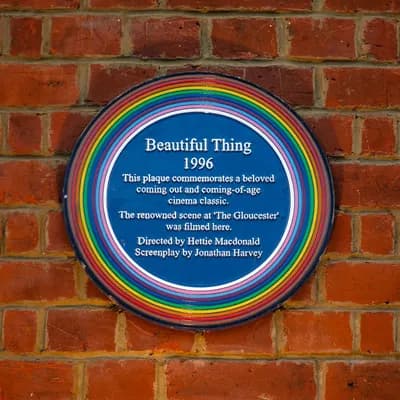
Queer history in London: New tours and rainbow plaques
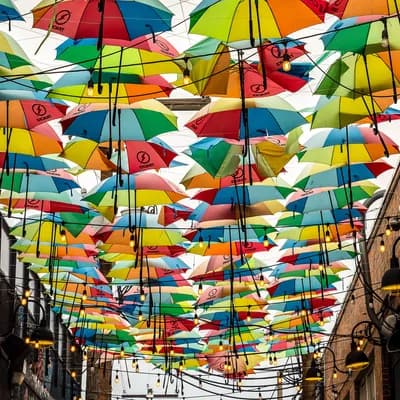
US Cities in Transition: New Queer Neighborhoods Emerging Beyond the Classics
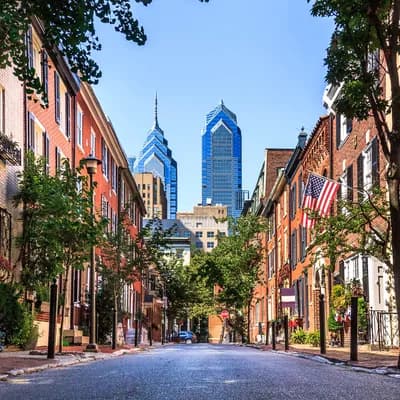
Philadelphia remains a leader in LGBTQ+ inclusion and culture

The Castro

New Orleans Queer Underground Tour
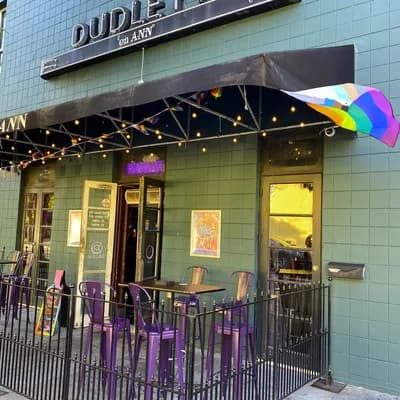
Dudley's

The Legacy Walk

Stuttgart PRIDE - Political Demonstration
Stuttgart PRIDE - CSD Rally
CSD Moers – Demonstration and Rally