.webp&w=3840&q=75)


Queer Travelers Turn Away from Hotspots
Prices and overtourism hold back

kk
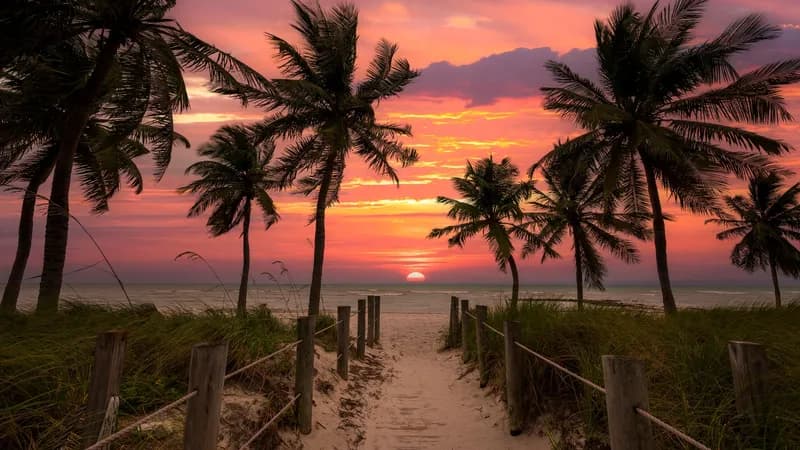
Several classic queer travel destinations in North America are currently losing popularity among gay and lesbian tourists. According to numerous community members, many are finding that hotspots such as Provincetown, Key West, or Mykonos no longer meet their expectations due to commercialization, rising prices, and displacement changing the classic queer lifestyle. This phenomenon, according to current voices, has significant impacts on the decision-making of many LGBTIQ+ travelers in their next vacation planning.
The most important things at a glance.
- Classic queer travel destinations like Provincetown and Key West are increasingly facing criticism from queer travelers.
- The main points of criticism are increased costs, overcrowded venues, and the absence of the former community atmosphere.
- International destinations such as Mykonos and Barcelona are also being discussed due to overtourism.
- This sentiment comes from reports and opinions published, among others, by the US news site Queerty.
- Several travelers are considering avoiding popular destinations in the future and looking for alternatives.
Travelers report disappointments at classic hotspots.
Those who look at queer travel destination posters see names like Provincetown, Key West, Mykonos, Berlin. However, the recent shift in sentiment among queer tourists is causing new travel trends. According to the magazine Queerty, many feel that the aura of exclusivity and community at places like Provincetown or Key West is fading. The atmosphere, once synonymous with diversity and expression, is increasingly characterized by inflated prices, mainstream visitors, and commercialization. Some visitors report that heteronormativity and mass tourism are overshadowing the classic safe spaces.
Commercialization and new challenges for queer travelers
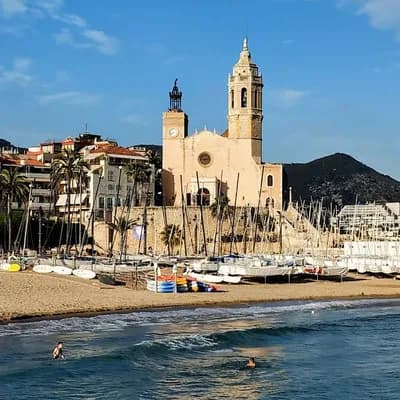
While destinations like Mykonos or Barcelona attract visitors with their Mediterranean flair and LGBTQ events, critical voices are also increasing here. Overtourism, rising hotel prices, and the displacement of marginalized groups are changing the search for authentic vacation experiences. Although hoteliers and event organizers still promote colorful offerings, reports, such as those documented by Queerty, show that the expectations of many queer guests for a sense of community, accessibility, and uniqueness are often not met.
New Trends: Longing for Alternative Travel Destinations
This development has concrete implications. More and more LGBTIQ+ travelers are specifically seeking less crowded, affordable, and truly queer alternatives to established destinations. These include smaller cities, rural areas, or retreats specifically focused on queer diversity. As the magazine Queerty reports, there is a debate about whether the community should refocus on discovering new places instead of continually following the same iconic destinations.
The current trend shows: For the upcoming travel season, tour operators expect that this shift in demand will be reflected in changed booking figures.
Advertisement
Advertisement
Advertisement
Poll Of The Day
Wie sieht dein queerer Traumurlaub aus?
- A.Pride & Community
- B.Gay Beach & Sonne
- C.Party & Nightlife
- D.Wellness & Erholung
- E.Kultur & Sightseeing
- F.Abenteuer & Action
LGBTIQ+ News

Schwule Liebe im Tennis - Heftige Fan-Debatten vor Kinostart von „Forty Love“

Debatte um „Ozempic-Penis“ - Wenn der Penis sichtbarer wird

Cut der Uncut? - US-Kulturkampf mit Bibelbegriffen rund um den Penis

Transition mittels KI - Schlagzeichen um den schwulen Tech-Milliardär Thiel
Most Read


Advertisement
Video Of The Day
Advertisement
Advertisement
Advertisement
Poll Of The Day
Wie sieht dein queerer Traumurlaub aus?
- A.Pride & Community
- B.Gay Beach & Sonne
- C.Party & Nightlife
- D.Wellness & Erholung
- E.Kultur & Sightseeing
- F.Abenteuer & Action
LGBTIQ+ News
Schwule Liebe im Tennis - Heftige Fan-Debatten vor Kinostart von „Forty Love“
Debatte um „Ozempic-Penis“ - Wenn der Penis sichtbarer wird
Cut der Uncut? - US-Kulturkampf mit Bibelbegriffen rund um den Penis
Transition mittels KI - Schlagzeichen um den schwulen Tech-Milliardär Thiel
Most Read
Advertisement
Video Of The Day
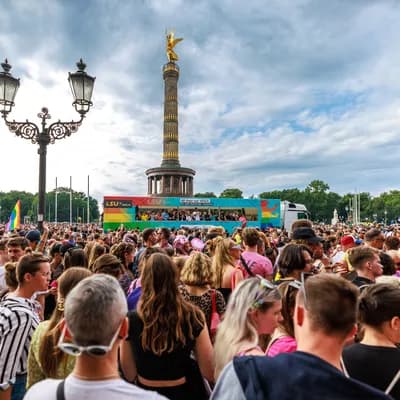
Queer Travelers Criticize Dream Destinations like Berlin and Mykonos

Queerty asks about disappointing LGBTQ travel destinations
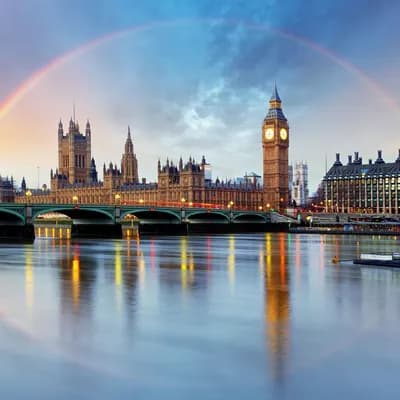
London as a Pioneer: Safety and Diversity for Queer Travelers

Queer bars are experiencing a new influx worldwide

Queer Tours France

The Castro

Provincetown Business Guild & Provincetown Pride Center

Super Paradise Hotel

Provincetown: Holly Folly
Queer Meeting
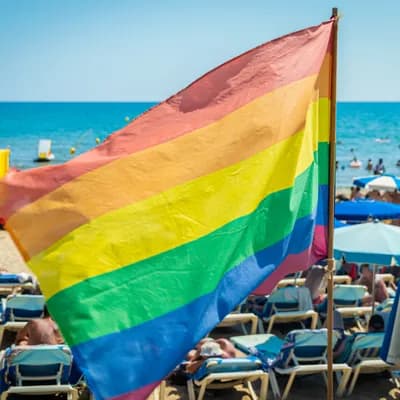
Sitges Pride Gay Village