
.webp&w=3840&q=75)

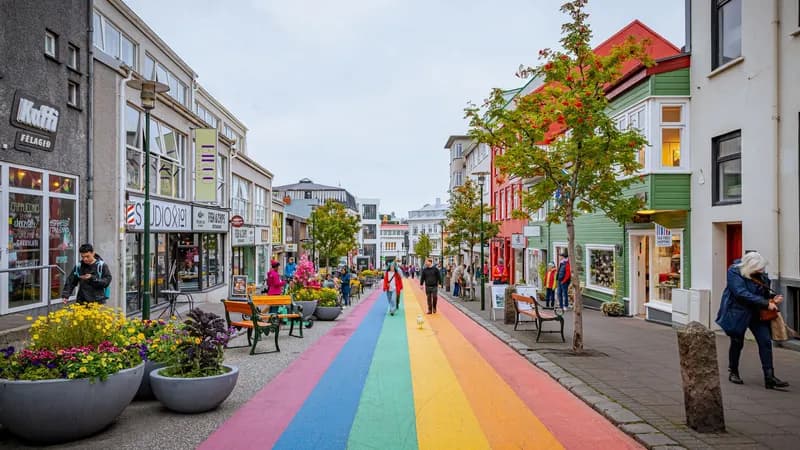
Reykjavík establishes queer culture as a social meeting space
Reykjavik establishes queer meeting places

kk
When it is dark, the melodies of the city resonate in the clear nights by the North Atlantic, and even the flickering light of the...
When it is dark, the melodies of the city resonate in the clear nights over the North Atlantic, and even the flickering light of the street lamps seems to dance: Welcome to Reykjavík, the heart of Iceland, a place that effortlessly sparks curiosity and captivates travelers from all over the world. This is not just another stop on the world map, but a love letter to a land full of fascinating contrasts – between fire and ice, myths and modern culture, the ordinary and the extraordinary.
Island of Hidden Magic: Reykjavík and the Magic of Iceland
Iceland is long more than a insider tip for adventurers – it has developed into a magnet for travelers who yearn for authenticity and inspiration. Along the colorful houses of the capital, life seems to pulse even in the depths of winter. Especially in Reykjavík, a vibrant café culture has established itself, which is regarded as a social oasis within the queer community.
Upon landing at Keflavík International Airport, you are immediately immersed in adventure. The popular "Flybus" takes guests to the capital, passing by the steaming blue of the famous Blue Lagoon, often the first stop for many travelers to Iceland. While taxis are among the most expensive in all of Europe, public transport remains – for now – the cheapest and most authentic way to get around. First-class flight connections, often with attractive stopover options, make Iceland more accessible than ever for travelers from Germany and other European countries.
At the center of this journey is a city where history and present merge: The expressionist Hallgrímskirkja rises like a landmark above the rooftops of Reykjavík, and on New Year's Eve, its square transforms year after year into a sparkling sea of fireworks. The proximity to spectacular nature, snow, wind, and colorful northern lights gives Reykjavík the charm of an endless adventure. According to official statistics from Iceland, over 2.2 million international guests visited the small island paradise in 2023, further emphasizing the immense appeal of this country.
Where past and present meet
The island fascinates not only with natural wonders but also with its dynamic, diverse society. The people here are considered warm-hearted, open, and tolerant. Particularly, the queer scene holds a significant place: The organization <strong>Samtökin '78</strong> influences the image of a progressive capital through education, cultural events, and queer history, focusing on tolerance and appreciation.
Anyone who visits Iceland quickly feels the influence of its vibrant folklore. The locals talk about elves and trolls as if it were the most natural thing and thus weave centuries-old myths into contemporary stories. As a traveler, one meets many people in Reykjavík who, once they arrive, never want to leave again. This is evidenced by dozens of mixed couples from all over the world who were captivated by Iceland's relaxed way of life.
Art, music, and design are an integral part of the urban landscape. Along the boulevard Laugavegur, there are always new boutiques, galleries, and cafes such as the popular Mundi or the creative Dead Gallery. Reykjavík is continuously evolving: in 2024, sustainable tourism and diversity will be even more in focus, with initiatives like “Green Reykjavík” and investments in e-mobility and green energy making the island nation an increasingly prominent model for European capitals.
Voices of the Open Society
"I wanted to inspire people with queer history and create a space for exchange and understanding. My tours capture the stories of the LGBT community as well as the wild nights, artists, and poetry of our city," says <strong>Hilmar Magnússon</strong>, initiator of the "Reykjavík LGBT History and Culture Walks." "The response has been wonderful. Many tourists tell me how Iceland has inspired their own perspective on openness and inclusion."
Similar voices can also be heard from the gastronomy and hotel industry: Hoteliers point out the personal atmosphere that runs like a common thread through the conversations, art, and cuisine of Iceland.
The Future of the Island of Longing
Iceland is at the start of a new wave of tourism: The capital is planning investments in sustainable tourism and a more modern transportation network. At the same time, the range of cultural, queer, and sustainable events is rapidly growing. The annual Pride Parade in Reykjavík is just one highlight – it has been attracting tens of thousands of visitors for years and symbolizes the modern, colorful Iceland.
With the growing tourism comes an increased responsibility towards the environment and society. Current projects focus on protecting sensitive nature, promoting local artists, and fostering inclusive urban development. Reykjavík thus remains an inspiring, open place – especially for those seeking the extraordinary.
Those who yield to the allure of Iceland often return not only refreshed but also with new friendships and a fresh perspective on life.
Further information and travel tips are provided by the official Icelandic tourism portal, the Reykjavik Pride organization, and the specialist office for queer life in Iceland.
Advertisement
Advertisement
Advertisement
Poll Of The Day
Wann beginnt für Dich der Urlaubskick?
- A.Schon Monate vorher, direkt nach dem Abschicken der Buchung
- B.In den Wochen davor beim Recherchieren von Ausflugszielen und Restaurants
- C.Beim Kofferpacken am Tag vor der Abreise
- D.Am Tag der Abreise auf dem Weg zum Flughafen oder Bahnhof
- E.Erst in dem Moment, in dem ich das Hotelzimmer betrete
- F.Der Kick kommt gar nicht, ich bin vor der Abreise nur gestresst
LGBTIQ+ News

Heated Rivalry im Kino - Connor Storrie verkürzt zudem die Wartezeit auf Staffel 2

Letzte Küsse in der Kutsche - Central Park verliert Liebeszauber

Schwuler Volleyballstar - Rui Takahashi berichtet vom Rückhalt seines Bruders

Schwere Vorwürfe gegen Graham - Dokumentation über Sexleben des verstorbenen US-Senators
Most Read


Advertisement
Video Of The Day
Advertisement
Advertisement
Advertisement
Poll Of The Day
Wann beginnt für Dich der Urlaubskick?
- A.Schon Monate vorher, direkt nach dem Abschicken der Buchung
- B.In den Wochen davor beim Recherchieren von Ausflugszielen und Restaurants
- C.Beim Kofferpacken am Tag vor der Abreise
- D.Am Tag der Abreise auf dem Weg zum Flughafen oder Bahnhof
- E.Erst in dem Moment, in dem ich das Hotelzimmer betrete
- F.Der Kick kommt gar nicht, ich bin vor der Abreise nur gestresst
LGBTIQ+ News
Heated Rivalry im Kino - Connor Storrie verkürzt zudem die Wartezeit auf Staffel 2
Letzte Küsse in der Kutsche - Central Park verliert Liebeszauber
Schwuler Volleyballstar - Rui Takahashi berichtet vom Rückhalt seines Bruders
Schwere Vorwürfe gegen Graham - Dokumentation über Sexleben des verstorbenen US-Senators
Most Read
Advertisement
Video Of The Day
Akureyri: Queer Diversity Beyond the Capital
Stockholm transforms into a queer desire destination
Dublin Revamps Cityscape – Queer Scene Makes a Statement

Kíkí Queer Bar
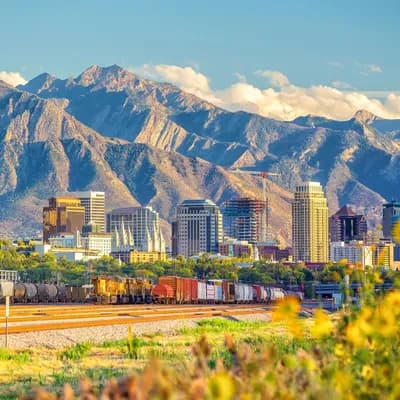
Queer Protective Rights: Utah Sets the Standard in Salt Lake City

Reykjavik Bear

Gaukurinn

Pink Iceland
Queer Meeting
Hamburg: Winter Pride 2024
Sitges Pride Gay Village
