.webp&w=3840&q=75)

Sofia comes into focus as ESC host for queer fans
Warning about Caution in Bulgaria

kk
Bulgaria is coming into the spotlight as the host country for the Eurovision Song Contest 2027, since singer Dara will represent the country in the competition in 2026...
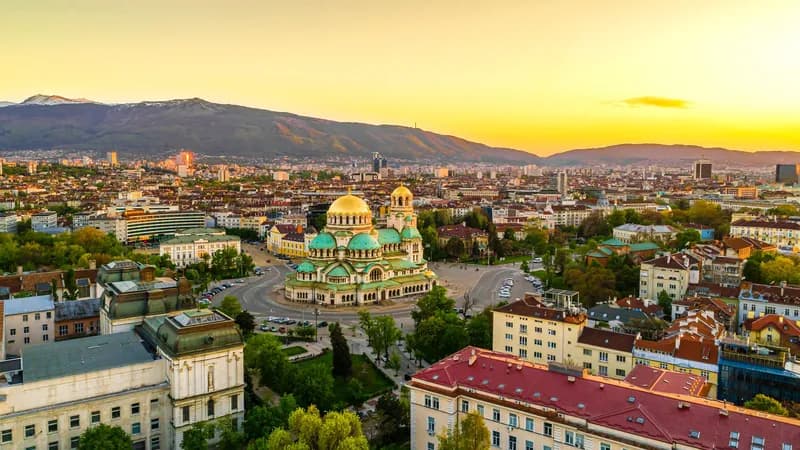
Bulgaria is coming into the spotlight as the host country for the Eurovision Song Contest 2027, following singer Dara's victory for the country in 2026. This has drawn the attention of tens of thousands of queer travelers to Sofia – the Bulgarian capital that is expected to be the host. The central question for many: How safe is a stay for LGBTQ+ tourists during Europe’s largest music event?
The most important points at a glance
- Bulgaria reached 40th place among 49 countries on the ILGA-Europe Rainbow Map in 2026, with a rating of 20 percent.
- Since 2004, discrimination based on sexual orientation has been legally prohibited; since 2023, stricter penalties apply to hate crimes.
- In 2024, Bulgaria introduced a law that prohibits "advertising" non-traditional sexual orientations in schools.
- Sofia has been hosting the largest Pride event in the country for several years; outside the capital, a more conservative climate prevails.
- The British government advises LGBTQ+ travelers to be more discreet and to exercise caution in Bulgaria.
Queer reality between law and everyday life
Strolling through the boulevards of Sofia reveals more than just picturesque Art Nouveau facades and trendy cafés: there are gay and lesbian bars and a growing community that shows its colors at Sofia Pride every year. However, behind the rainbow-colored stage, there is also uncertainty. While same-sex relationships are legal, legal and societal recognition remains limited. Since 2024, a law explicitly prohibits any form of "promotion" of diversity outside of traditional gender roles in the education system. This regulation indirectly affects travelers, as it reduces the public visibility of LGBTQ+ identities and can lead to increased caution in everyday life.
Diversity in Sofia – Challenges in Rural Areas
The capital presents itself as open-minded and colorful during Pride weeks – with exuberant parades, concerts, and international guests. Alongside drag shows, theater, and live music, Sofia is making tentative steps towards a queer infrastructure. However, especially outside the metropolis, Bulgaria reveals a noticeably more conservative stance. According to official travel recommendations, same-sex couples should refrain from public displays of affection in rural areas. There have also been incidents of verbal threats against visitors at previous Pride parades.
"We want to warmly welcome Eurovision fans, but we advise getting acquainted with the local situation and traveling cautiously," experts from the British travel information office recommend.
Between progress and political brake
Despite small legal progress, such as improved victim protection against hate crimes, noticeable hurdles remain. The Bulgarian government continues to refuse the introduction of same-sex partnerships, even after rulings from the European Court of Justice. The situation has particularly worsened for trans* individuals: A decision from the Supreme Court in 2023 defines legal gender purely biologically, complicating the recognition of gender adjustments. Those visiting Bulgaria for Eurovision can expect hospitality, but also encounter bureaucratic and societal barriers.
Important questions on the topic
How safe is Sofia during the Eurovision Song Contest for LGBTQ+ individuals?The capital is internationally well-prepared for Pride and major events, but there are also occasional reports of hostility.
Are there specific laws that queer travelers should be aware of?Starting in 2024, there will be a ban on open advertising for non-traditional sexual orientations in the education sector; this will impact visibility.
Where can I find queer scenes and safe spaces?In Sofia, there are several bars and cafés for the LGBTQ+ audience, and there are also numerous international safe spaces and events for Eurovision.
Outlook: Traveling with Awareness and Preparation
Those visiting Bulgaria for Eurovision 2027 will discover a country in transition: Pride in Sofia sends a signal for acceptance, but formal equality is still in its infancy. Caution, sensitivity, and a look at the local scene provide the best foundation for queer travelers to experience the event safely and joyfully. Unanswered questions remain – such as whether the legal situation and societal attitudes will change in the coming years. Until then, it's: Welcome to Sofia, prepared and curious at the same time.
Advertisement
Advertisement
Advertisement
Poll Of The Day
Wie wahrscheinlich ist es, dass du gezielt für einen Pride ins Ausland reist?
- A.Sehr wahrscheinlich.
- B.Eher wahrscheinlich.
- C.Eher unwahrscheinlich.
- D.Sehr unwahrscheinlich.
LGBTIQ+ News

Eine große Liebe kehrt zurück - „Lebewohl, meine Konkubine“ kommt restauriert zurück

Großer Preis für Wunnicke - Büchner-Preis für Wunnicke: Große Ehrung für queere Stoffe

Boomer ist wieder da! - „Wentworth“ ist zurück: Erster Blick auf „Halfway Home“

BBC tilgt Pride-Pins - BBC retuschiert Pride-Pins aus „University Challenge“
Most Read

Advertisement
Video Of The Day
Advertisement
Advertisement
Advertisement
Poll Of The Day
Wie wahrscheinlich ist es, dass du gezielt für einen Pride ins Ausland reist?
- A.Sehr wahrscheinlich.
- B.Eher wahrscheinlich.
- C.Eher unwahrscheinlich.
- D.Sehr unwahrscheinlich.
LGBTIQ+ News
Eine große Liebe kehrt zurück - „Lebewohl, meine Konkubine“ kommt restauriert zurück
Großer Preis für Wunnicke - Büchner-Preis für Wunnicke: Große Ehrung für queere Stoffe
Boomer ist wieder da! - „Wentworth“ ist zurück: Erster Blick auf „Halfway Home“
BBC tilgt Pride-Pins - BBC retuschiert Pride-Pins aus „University Challenge“
Most Read
Advertisement
Video Of The Day
Malta sets new standards in LGBTQ+ rights
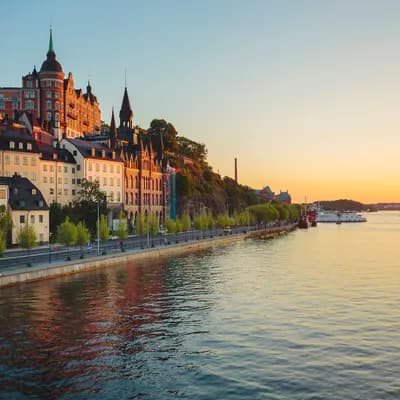
Stockholm transforms into a queer desire destination
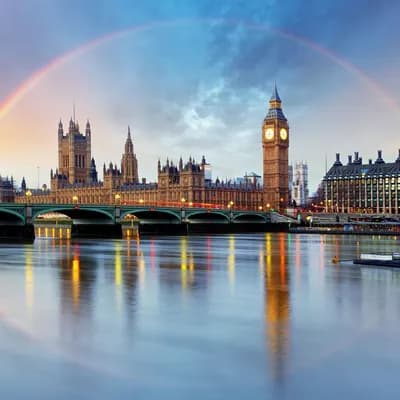
London as a Pioneer: Safety and Diversity for Queer Travelers
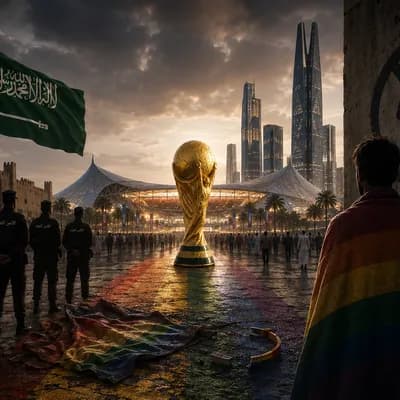
Saudi Arabia courts LGBTQ+ fans ahead of the 2034 World Cup
DARO
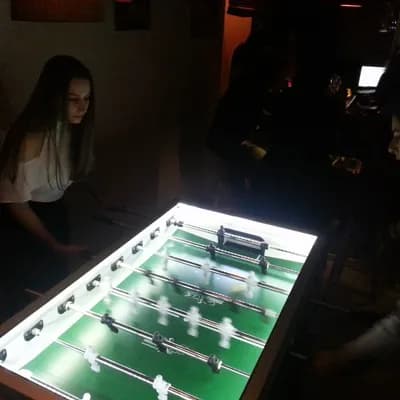
Essence Bar
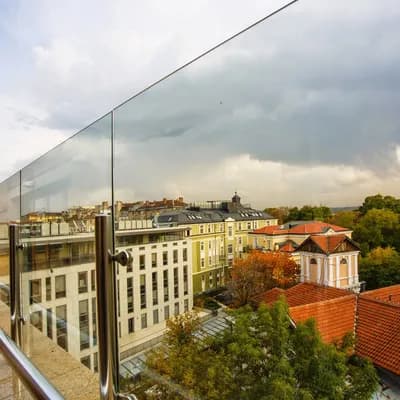
Arena di Serdica Boutique Hotel

Checkpoint Charly

Raising the Rainbow Flag + Demo

CSD Parade Berlin 2026 – Attitude is Hot
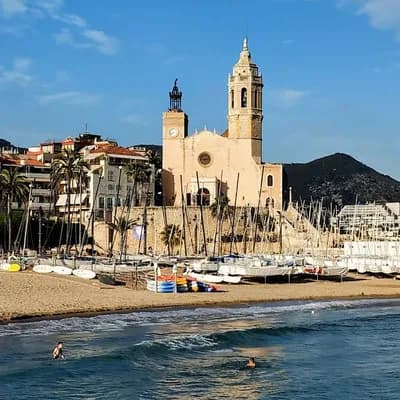
Sitges Pride