
.webp&w=3840&q=75)


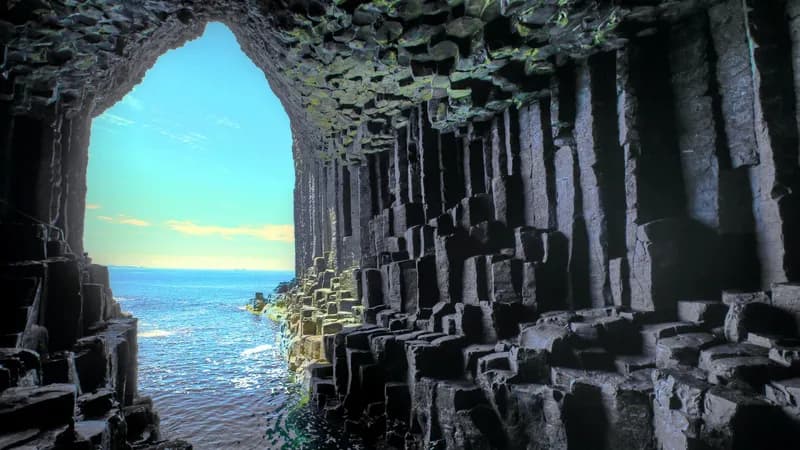
Staffa protects Fingal's Cave from visitor damage
Only certified boats

kk
On the Scottish Hebridean island of Staffa, Fingal's Cave has been at the center of the international nature conservation debate since late May. The National Trust for Scotland has officially confirmed for the first time that erosion in the famous basalt cave has measurably increased due to a massive rise in visitor numbers. Stricter visitor controls and additional protective measures are set to be introduced by the summer of 2024. The future of the rightly world-famous cave is thus becoming a key question for sustainable nature tourism in the Hebrides.
The most important things at a glance
- Fingal's Cave on Staffa will be protected by new access rules starting in the summer of 2024.
- The National Trust for Scotland cites erosion of the basalt rock as the main reason.
- The number of annual visitors is approaching 100,000.
- The legendary place has been a nature reserve since 2001.
- Boat connections to Staffa will be coordinated even more depending on the weather in the future.
Natural wonder threatened by visitor influx
The rock formation of Fingal's Cave is one of the most famous attractions in Scotland. With up to 100,000 visitors each year, the numbers have recently exceeded all forecasts, according to the National Trust for Scotland. Officials report that frequent visits and the collection of stones have caused visible damage to the characteristic basalt columns. Even small changes to the columns could jeopardize the stability of the entire cave.
Since the cave was designated as a nature reserve in 2001, patrols and signage have not been sufficient to enforce the protection rules. Now, access restrictions are being considered, for example, through digital pre-registration and limiting daily landings. Furthermore, more rangers are being deployed to improve compliance and education on-site.
Consequences for travelers and boat operators
The scenic magic of Fingal's Cave, with its hexagonal columns and unique soundscapes, has made the island internationally famous. According to the National Trust for Scotland, only certified providers will be able to access the cave in the future. The small island of Staffa, which can only be reached by boat, remains uninhabited. Travelers will need to prepare for restrictions. Boats will continue to depart from Oban, Mull, and Iona, but spontaneous trips will become less common. For animal lovers, the region still offers puffins, seals, and, if lucky, even whales.
An exact start date for the new regulations is still pending according to the latest statement from the officials, but it is expected in July 2024. An open question remains how the measures will affect the tourism infrastructure of the Inner Hebrides in the long term. What is certain is that Fingal's Cave remains one of Scotland's greatest natural travel destinations, paradoxically a threatened one.
Advertisement
Advertisement
Advertisement
Poll Of The Day
Wie sieht dein queerer Traumurlaub aus?
- A.Pride & Community
- B.Gay Beach & Sonne
- C.Party & Nightlife
- D.Wellness & Erholung
- E.Kultur & Sightseeing
- F.Abenteuer & Action
LGBTIQ+ News

Schwule Liebe im Tennis - Heftige Fan-Debatten vor Kinostart von „Forty Love“

Debatte um „Ozempic-Penis“ - Wenn der Penis sichtbarer wird

Cut der Uncut? - US-Kulturkampf mit Bibelbegriffen rund um den Penis

Transition mittels KI - Schlagzeichen um den schwulen Tech-Milliardär Thiel
Most Read


Advertisement
Video Of The Day
Advertisement
Advertisement
Advertisement
Poll Of The Day
Wie sieht dein queerer Traumurlaub aus?
- A.Pride & Community
- B.Gay Beach & Sonne
- C.Party & Nightlife
- D.Wellness & Erholung
- E.Kultur & Sightseeing
- F.Abenteuer & Action
LGBTIQ+ News
Schwule Liebe im Tennis - Heftige Fan-Debatten vor Kinostart von „Forty Love“
Debatte um „Ozempic-Penis“ - Wenn der Penis sichtbarer wird
Cut der Uncut? - US-Kulturkampf mit Bibelbegriffen rund um den Penis
Transition mittels KI - Schlagzeichen um den schwulen Tech-Milliardär Thiel
Most Read
Advertisement
Video Of The Day
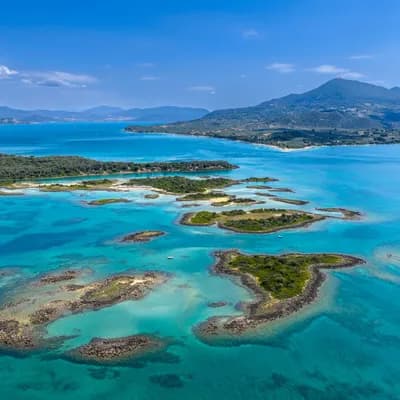
Lichadonisia receives EU funding for sustainable tourism
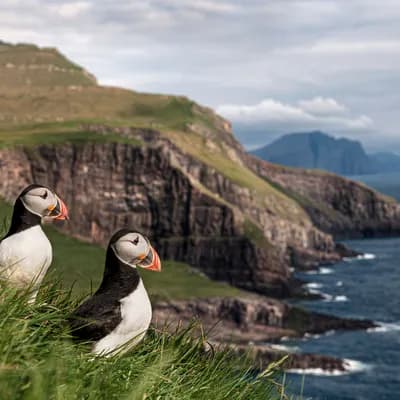
Faroe Islands impose sustainability fee for tourists
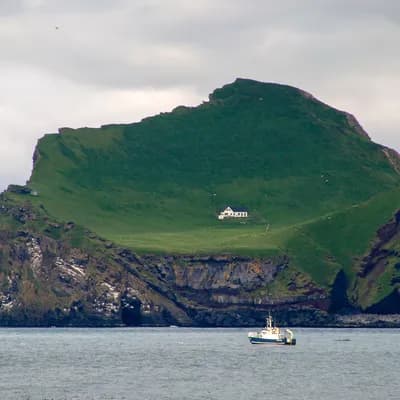
Elliðaey Lodge attracts boat tours to puffins
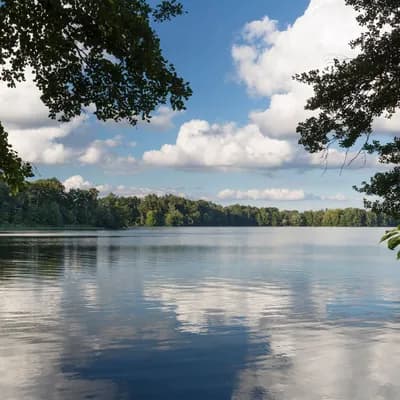
Wurlsee reaches 2.5 meters visibility depth

Fort St. Angelo

Grotto Bay Beach Resort & Spa

Seagull Dubrovnik - Private Boat Tours - Dubrovnik Boat Tours

Fiskardo Bay Hotel

Monnem Pride: Skiff
Summer Cinema Open Air: Stag on the Prowl Short Film Program

Provincetown: Holly Folly
