.webp&w=3840&q=75)

Plaza de Mayo
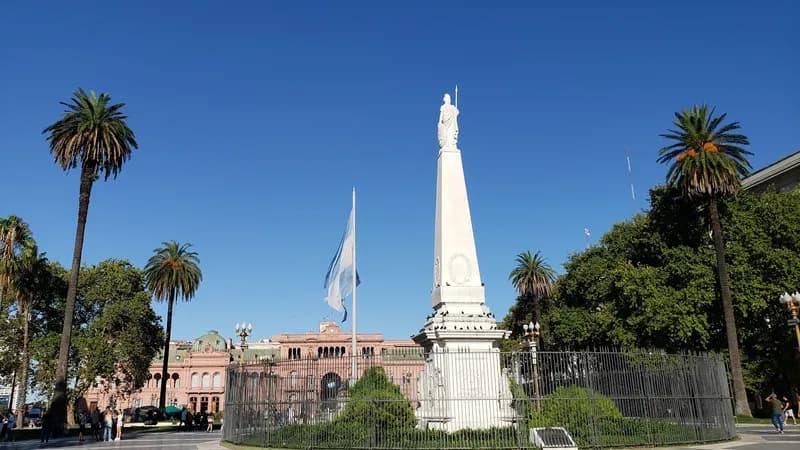
The Plaza de Mayo is the heart of Argentina's political and historical identity and plays a central role in the history of Buenos Aires. Named after the revolution of May 25, 1810, which took place here and paved the way for Argentina's independence, this square is a living testament to national events and collective memories.
History
The Plaza de Mayo, the oldest in the city, was established not only as a political venue but was also the site where Buenos Aires was re-founded on June 11, 1580, by Juan de Garay. Originally named Ciudad de la Santísima Trinidad y Puerto de Santa María del Buen Ayre, the surrounding area quickly transformed into the political center of the emerging nation. The history of the square is marked by a lack of claustrophobia; over the centuries, it has been the site of gatherings and mass protests reflecting the pulse of the Argentine people.
Landmarks
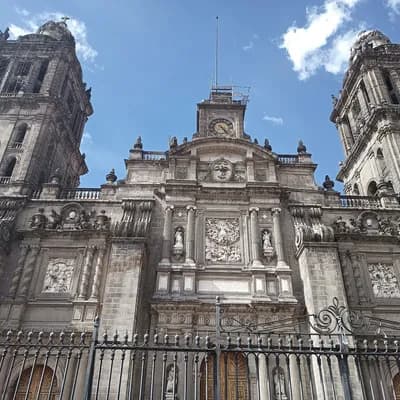
The square is framed by a number of historical buildings that shape its impressive panorama. On its side stand the iconic Cabildo, the Catedral Metropolitana, where Pope Francis celebrated mass for over 20 years, as well as the famous Casa Rosada, the seat of government. These architectural masterpieces are not only of utmost importance but also beautifully designed, offering an interesting insight into Argentine culture and history.
At the center of the Plaza stands the Pirámide de Mayo, a monument built in 1811 to celebrate the first anniversary of the revolution. Complemented by the monument to Manuel Belgrano, the creator of the Argentine flag, the square becomes a symbol of freedom and resistance. These monuments tell stories of bravery, loss, and the pursuit of a just society.
Cultural Experience
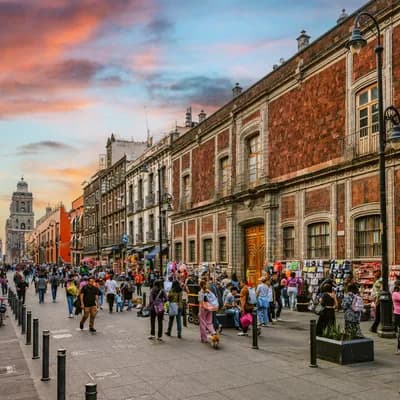
The atmosphere of the Plaza de Mayo is vibrant and energetic. During the day, one of the largest Argentine flags majestically flutters in the wind, while numerous cafés serving delicious food and drinks bustle around the square. Here, visitors can not only enjoy the beauty of the architecture but also experience local culture in the form of street cafés and small, charming museums. An especially inviting opportunity is to participate in one of the large political gatherings often held here, allowing one to witness a piece of living history.
Costs and Access
Another advantage of the Plaza de Mayo is its accessibility. The square is freely accessible and offers a variety of activities at no entry cost. The surrounding area hosts several museums, most of which also have no admission fee or charge only a small fee. If you want to experience the history and culture of Argentina up close, this is the perfect place to do so.
Curiosities
Did you know that bullfights once took place in this square? This tradition persisted for some time after the revolution. Furthermore, the local residents of the square were not brave enough to approach the area around the cathedral until the mid-19th century, as they believed that ghosts haunted the site. This "Hueco de las Ánimas" only disappeared with the construction of the first Teatro Colón, which opened in 1857.
Reviews
Visitors to Plaza de Mayo often praise the beautiful design of the square and the impressive architecture that surrounds it. Many report on the energy and life that thrives there, making their visit one of the highlights of their trip to Buenos Aires. The cleanliness of the streets and the abundance of cafés are also popular topics. The historical significance of the square is particularly noted, with many appreciating the opportunity to stand at a site where so many important events took place. The proud presence of the Argentine flag, waving in the wind, enhances the feeling of national identity that Plaza de Mayo radiates.
For more information, visit the official [Tourism site of Buenos Aires](http://www.tur
Advertisement
Advertisement
Advertisement
Poll Of The Day
Wann beginnt für Dich der Urlaubskick?
- A.Schon Monate vorher, direkt nach dem Abschicken der Buchung
- B.In den Wochen davor beim Recherchieren von Ausflugszielen und Restaurants
- C.Beim Kofferpacken am Tag vor der Abreise
- D.Am Tag der Abreise auf dem Weg zum Flughafen oder Bahnhof
- E.Erst in dem Moment, in dem ich das Hotelzimmer betrete
- F.Der Kick kommt gar nicht, ich bin vor der Abreise nur gestresst
LGBTIQ+ News

Homosexuelle Paare - Bildungsunterschiede sind in der Minderheit

Digitale Räume bleiben wichtig - Mitreden statt bevormundet werden

Umdenken in Sachsen-Anhalt? - Streit mit Merz eskaliert, schwuler Unionspolitiker bleibt standhaft

Pride Night fällt aus - US-Konservative feiern den Schritt, Fans sprechen von Verrat
Most Read


Advertisement
Video Of The Day
Advertisement
Advertisement
Advertisement
Poll Of The Day
Wann beginnt für Dich der Urlaubskick?
- A.Schon Monate vorher, direkt nach dem Abschicken der Buchung
- B.In den Wochen davor beim Recherchieren von Ausflugszielen und Restaurants
- C.Beim Kofferpacken am Tag vor der Abreise
- D.Am Tag der Abreise auf dem Weg zum Flughafen oder Bahnhof
- E.Erst in dem Moment, in dem ich das Hotelzimmer betrete
- F.Der Kick kommt gar nicht, ich bin vor der Abreise nur gestresst
LGBTIQ+ News
Homosexuelle Paare - Bildungsunterschiede sind in der Minderheit
Digitale Räume bleiben wichtig - Mitreden statt bevormundet werden
Umdenken in Sachsen-Anhalt? - Streit mit Merz eskaliert, schwuler Unionspolitiker bleibt standhaft
Pride Night fällt aus - US-Konservative feiern den Schritt, Fans sprechen von Verrat
Most Read
Advertisement