.webp&w=3840&q=75)

Queer Diversity Shapes the Parisian Art and Dance Scene
De Sousa Shapes the Paris Scene

kk
Paris: Rediscovering the Vibrant Heart of Europe Upon stepping out of the Métro, you can already feel it – that special tingling sensation that...
Paris: Discovering the Pulsating Heart of Europe Anew You can feel it from the first step out of the Métro – that special tingle that makes Paris unique. For the Brazilian dancer and choreographer <strong>Miguel De Sousa</strong>, the French capital is much more than just his chosen home: it is a mosaic of diversity, creativity, and lived encounters. Amidst urban hustle, historic boulevards, and hidden oases, he discovers day by day the facets that make Paris a stage for modern, inclusive life.
Urban diversity in a small space
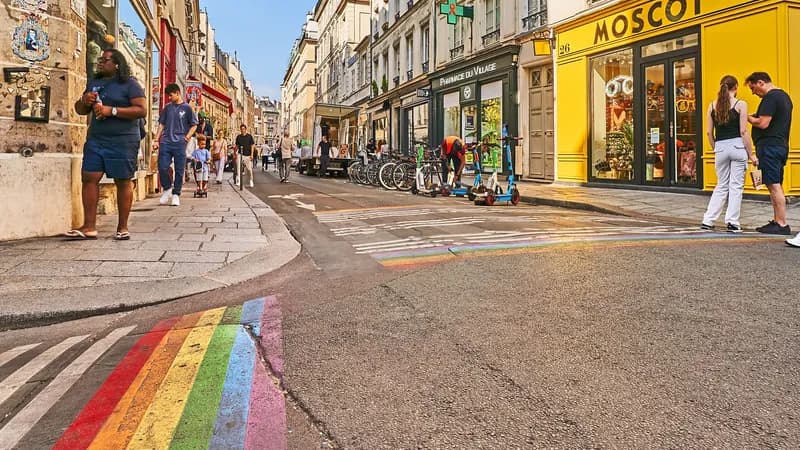
Living amidst the vibrant street scenes of Paris means engaging with a wide variety of cultures and ways of life almost daily. Here, worlds collide, merging into a vibrant community – not least because more than two million people meet in a small space. The compact structure of the city allows one to stroll through the Marais after breakfast, enjoy art at CENTQUATRE-PARIS at noon, and spend the evening with friends in one of the hidden venues of Goutte d'Or. Paris demands and fosters togetherness, as retreat is rare: the city essentially compels co-existence in the best sense.
Paris also reveals new, diverse sides for culture lovers. Ballet was once considered the foundation for every dancer – today, Afro-Brazilian, contemporary, and urban dance styles are gateways for innovative experiments. Places like the CENTQUATRE-PARIS serve as creative melting pots where new fusions are constantly emerging. The scene is permeable, with interculturality and openness setting the pace. The international attention this development receives is evident in the immense popularity of voguing and high-profile projects with renowned institutions such as the Opéra National de Paris.
From Salvador to Paris: A Dream in Motion
Miguel De Sousa first took part in a cultural exchange from Salvador to Paris. The then 18-year-old had previously learned independently through choreographies from television; the great freedom in dance was his driving force. After completing his degree, he returned, underwent training at the renowned "Juste Debout" school for hip-hop, and did not want to leave anymore. Since then, he has made a name for himself in the Parisian scene through appearances in music videos, TV commercials, children's productions, fashion shows, his own choreographies, and most recently a celebrated short film.
It is the freedom and spirit of experimentation that continually inspire him. In addition to his daily life as a dancer, he has also realized international projects – such as his involvement in the award-winning film.Emilia Perezby Jacques Audiard or in spectacular blockbusters in the open air. Many paths lead through Paris, but for De Sousa, dancing remains the strongest means of expression to connect with the city and its community.
"Paris feels like a meeting point of all cultures – and my own history. The dynamics here are both challenging and liberating; it gains momentum, yet never loses sight of humanity." — <strong>Miguel De Sousa</strong>, dancer and choreographer
Between nature, freedom, and queer community
Anyone looking to discover Paris beyond the classic postcard motifs will not be disappointed. The Coulée verte René-Dumont – a 4.5-kilometer-long elevated park built on an old railway line – is a hidden gem for walkers. The Bois de Vincennes also offers surprises, such as an official nudist area where hundreds of visitors enjoy casual freedom every summer.
The queer scene is no longer only centered around the Place de la Bastille. Spaces like "La Mutinerie" near the Centre Pompidou embody diversity and political intersectionality with a conscious focus on all FLINTA* and LGBTQ+ communities. Paris presents itself as solidary and progressive, without hiding blind spots – issues such as discrimination and gentrification remain present but are openly discussed. The neighborhoods of Goutte d’Or and Belleville have not yet been co-opted by international trends and breathe the actual, plural life of the city. In the vibrant markets, Indian restaurants, and North African bakeries, contemporary Paris pulses.
Perspectives: Paris as a Hinge of European Culture
Paris remains in transformation – culturally, socially, and politically. Internationally, the city is appreciated for its support of alternative art forms, its innovative spirit, and its role as a safe space for minorities. Recent developments and increasing visitor numbers confirm that Paris will continue to be one of the most livable metropolises in Europe in 2024, with a welcoming, diverse society where creativity and diversity naturally go hand in hand.
Future initiatives of the city increasingly focus on promoting inclusive projects and sustainable urban space. Particularly, the dance and cultural scene is seen as a model of openness – which is reflected in a growing number of international festivals and residency programs. Paris remains dynamic, continually searching for new voices – and thus is an invitation to all those seeking their own paths amidst urban contrasts.
Further information on queer offerings, art, and cultural events in Paris is provided by the Paris Tourism Office and independent networks such as Paris 100% Queer.
Advertisement
Advertisement
Advertisement
Poll Of The Day
Wann beginnt für Dich der Urlaubskick?
- A.Schon Monate vorher, direkt nach dem Abschicken der Buchung
- B.In den Wochen davor beim Recherchieren von Ausflugszielen und Restaurants
- C.Beim Kofferpacken am Tag vor der Abreise
- D.Am Tag der Abreise auf dem Weg zum Flughafen oder Bahnhof
- E.Erst in dem Moment, in dem ich das Hotelzimmer betrete
- F.Der Kick kommt gar nicht, ich bin vor der Abreise nur gestresst
LGBTIQ+ News

Heated Rivalry im Kino - Connor Storrie verkürzt zudem die Wartezeit auf Staffel 2

Letzte Küsse in der Kutsche - Central Park verliert Liebeszauber

Schwuler Volleyballstar - Rui Takahashi berichtet vom Rückhalt seines Bruders

Schwere Vorwürfe gegen Graham - Dokumentation über Sexleben des verstorbenen US-Senators
Most Read


Advertisement
Video Of The Day
Advertisement
Advertisement
Advertisement
Poll Of The Day
Wann beginnt für Dich der Urlaubskick?
- A.Schon Monate vorher, direkt nach dem Abschicken der Buchung
- B.In den Wochen davor beim Recherchieren von Ausflugszielen und Restaurants
- C.Beim Kofferpacken am Tag vor der Abreise
- D.Am Tag der Abreise auf dem Weg zum Flughafen oder Bahnhof
- E.Erst in dem Moment, in dem ich das Hotelzimmer betrete
- F.Der Kick kommt gar nicht, ich bin vor der Abreise nur gestresst
LGBTIQ+ News
Heated Rivalry im Kino - Connor Storrie verkürzt zudem die Wartezeit auf Staffel 2
Letzte Küsse in der Kutsche - Central Park verliert Liebeszauber
Schwuler Volleyballstar - Rui Takahashi berichtet vom Rückhalt seines Bruders
Schwere Vorwürfe gegen Graham - Dokumentation über Sexleben des verstorbenen US-Senators
Most Read
Advertisement
Video Of The Day
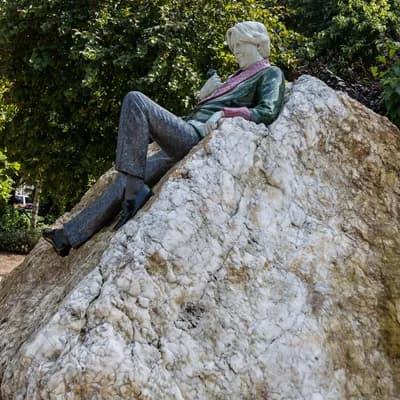
Dublin Revamps Cityscape – Queer Scene Makes a Statement
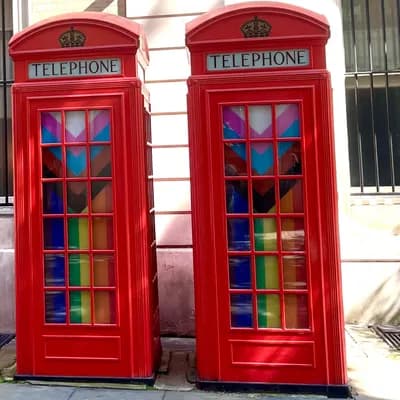
London: Queer Cultural Scene Transforms Beyond Soho
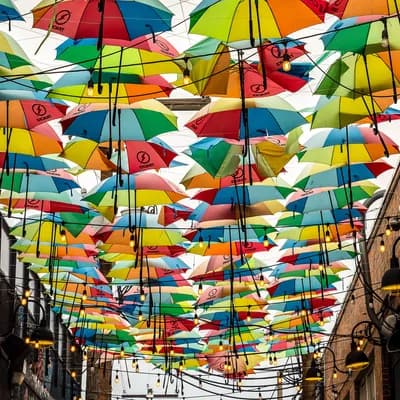
US Cities in Transition: New Queer Neighborhoods Emerging Beyond the Classics
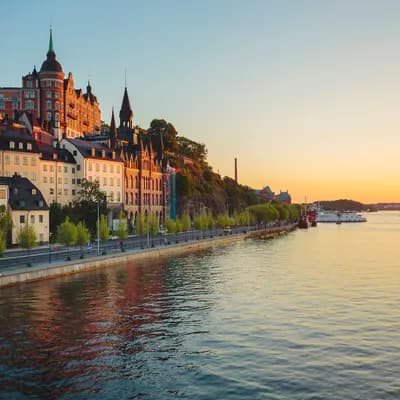
Stockholm transforms into a queer desire destination

Queer Tours France
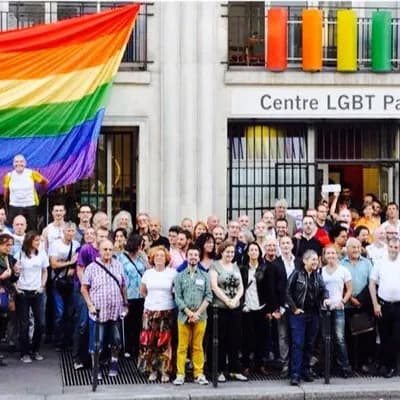
Lgbt center

Tango Paris
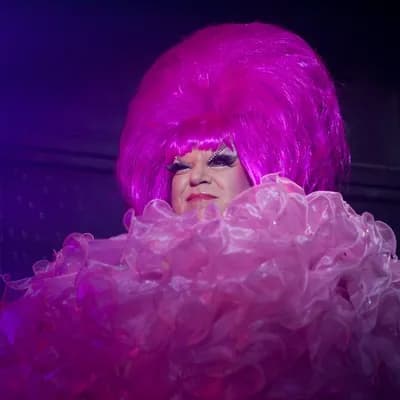
Artishow Cabaret

CSD Freising Kick-Off Rally
QUEER AS PUNK NRW Premiere

Christopher Street Day Landkreis Stade 2026