.webp&w=3840&q=75)
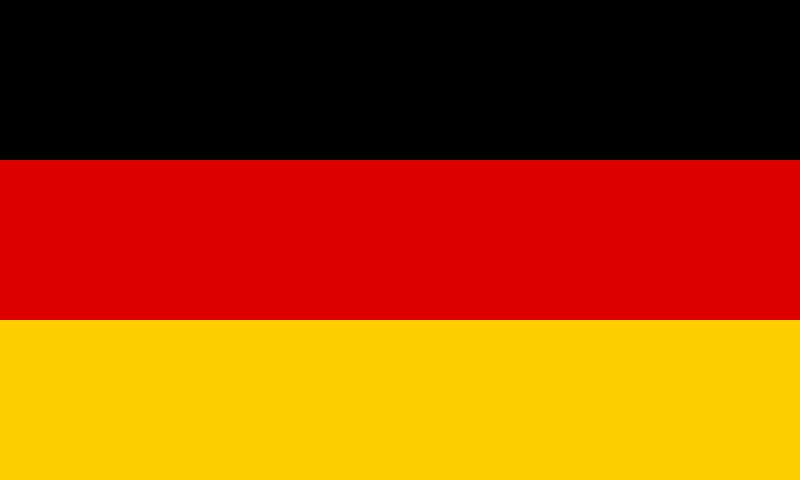
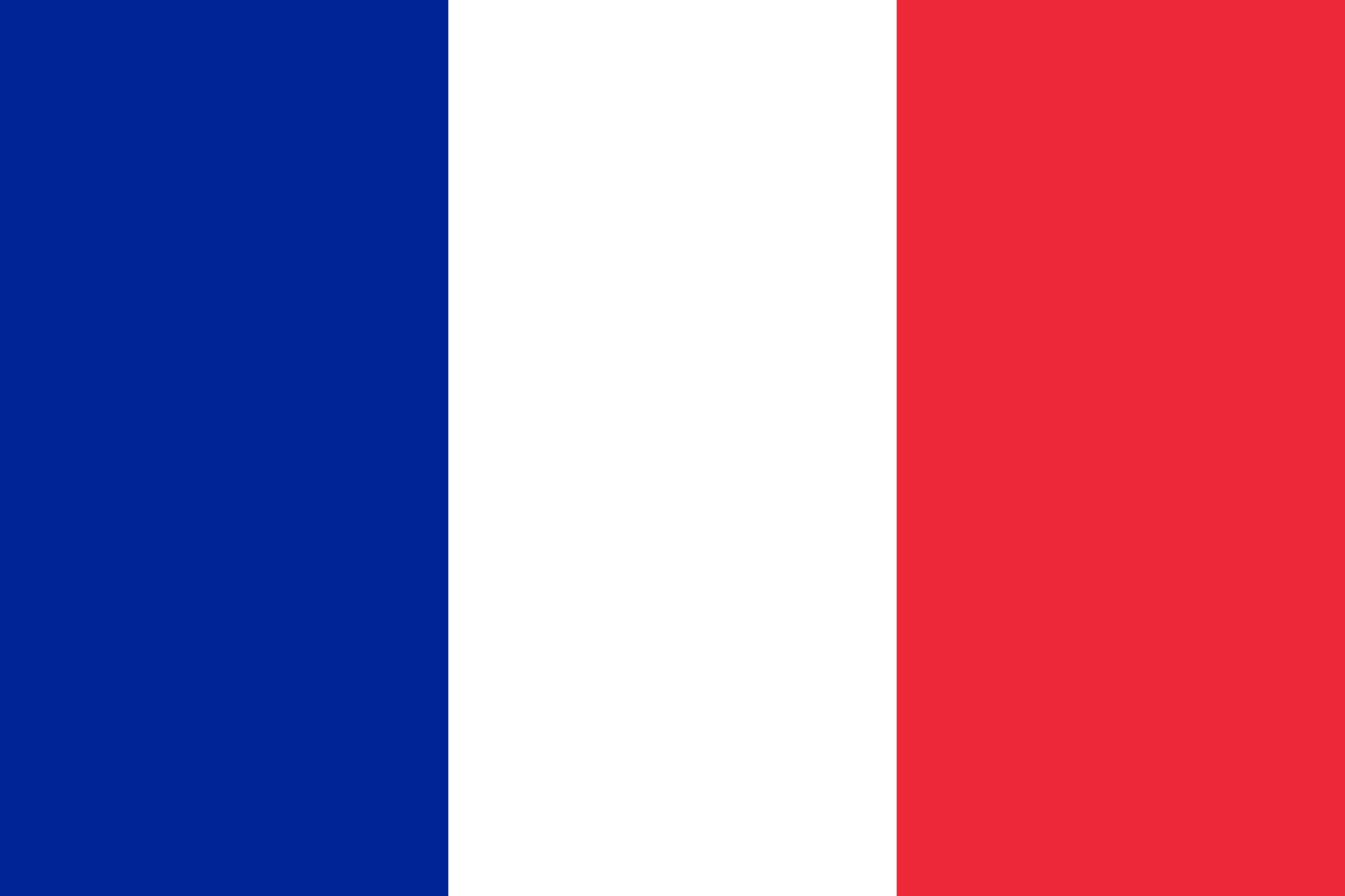
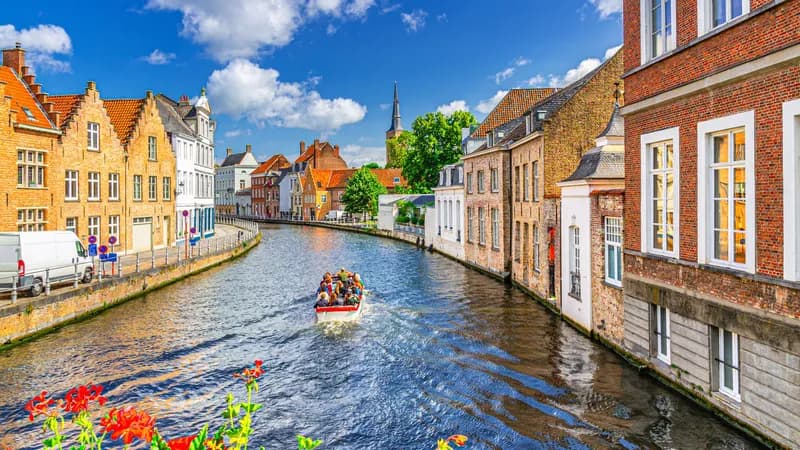
Belgium unites two official languages in everyday life
Language borders shape travel

kk
The country that is currently causing speculation is an extraordinary travel destination with the distinction of being located in Europe and having two official languages. For those who pick up the cacophony of voices in the streets of Brussels, it quickly becomes clear: Belgium is the country being talked about. This characteristic plays a surprising role in the European mosaic, not only for authorities and politics but also for anyone who wants to discover Belgium.
The most important things at a glance
- Belgium has three official regions: Flanders, Wallonia, and the Brussels-Capital Region.
- Dutch and French are the two most important official languages.
- German is also an official language in a small region.
- Brussels is the headquarters of the European Union.
Language diversity and travel experience
Travelers in Belgium experience the fascination of languages and cultures even at breakfast: while Dutch predominates in Antwerp, charming French can be heard just a few kilometers south in Namur. Both languages are equally represented in administration, schools, and everyday life. This not only shapes public life but also opens the doors for visitors to two culturally rich worlds in a single country. The language borders cut across the country – a unique feature in Europe.
Culinary and culture between language areas
Two languages also bring two culinary traditions with them: Flanders' desserts like waffles and pralines meet in Wallonia with French-inspired cuisine such as Boulets à la Liégeoise. Museums, music festivals, and street markets reflect this dual identity. Visitors walking around Brussels, for example, effortlessly switch between the linguistic worlds: street signs are bilingual, and orders in cafés switch from "un café, s'il vous plaît" to "een koffie, alstublieft."
The Charm of Everyday Life in Belgium
For travelers, the coexistence of languages means a daily life full of small discoveries: regulations and administrative processes occur in parallel in several languages, and the range of culture and media is correspondingly diverse. Particularly charming is how people adapt to everyday life – for instance, at small markets in Verviers, where a vendor first calls out a "Bonjour" and then a "Goeiedag." Bilingualism is a lived reality and shapes every journey through the country.
Important questions on the topic
Why does Belgium have two official languages?Due to its history and the composition of its population – Dutch influences the north, French the south.
Is German also spoken in Belgium?Yes, in the eastern part of the country, there is a small German-speaking minority for which German is officially recognized.
What advantages does multilingualism offer for travelers?You can experience different cultures, cuisines, and traditions within a country and will almost always be understood in their language.
Those who explore Belgium on their own plunge into a linguistic adventure that makes the European idea experienceable in an entertaining way. Language barriers become bridges – and that is precisely what makes Belgium the perfect stage for the curious.
Advertisement
Advertisement
Advertisement
Poll Of The Day
Wie sieht dein queerer Traumurlaub aus?
- A.Pride & Community
- B.Gay Beach & Sonne
- C.Party & Nightlife
- D.Wellness & Erholung
- E.Kultur & Sightseeing
- F.Abenteuer & Action
LGBTIQ+ News

Ende der Badehaus-Verbote - Schwule Treffpunkte werden vielerorts in den USA neu bewertet

KI und LGBTIQ+ - Wenn Algorithmen über Identitäten urteilen

Doppelmoral in Dallas - Zu viele Grindr-Zugriffe beim Parteitag der Republikaner

Mit Pride-Flagge ins Ziel - Ryan Montgomery läuft für queere Sichtbarkeit
Most Read


Advertisement
Video Of The Day
Advertisement
Advertisement
Advertisement
Poll Of The Day
Wie sieht dein queerer Traumurlaub aus?
- A.Pride & Community
- B.Gay Beach & Sonne
- C.Party & Nightlife
- D.Wellness & Erholung
- E.Kultur & Sightseeing
- F.Abenteuer & Action
LGBTIQ+ News
Ende der Badehaus-Verbote - Schwule Treffpunkte werden vielerorts in den USA neu bewertet
KI und LGBTIQ+ - Wenn Algorithmen über Identitäten urteilen
Doppelmoral in Dallas - Zu viele Grindr-Zugriffe beim Parteitag der Republikaner
Mit Pride-Flagge ins Ziel - Ryan Montgomery läuft für queere Sichtbarkeit
Most Read
Advertisement
Video Of The Day
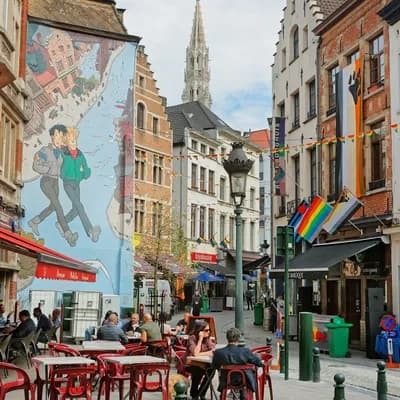
Belgium bets on comic tourism around Tintin and Snowy

EU approves new border crossing at Lake Prespa
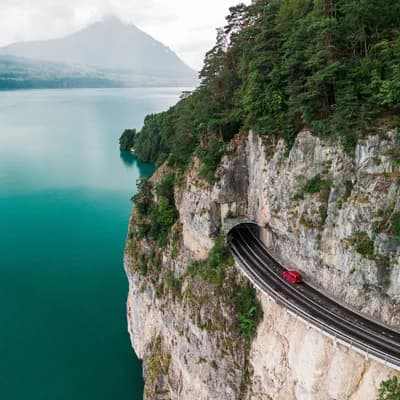
Switzerland Plans Transit Fee for Foreign Drivers
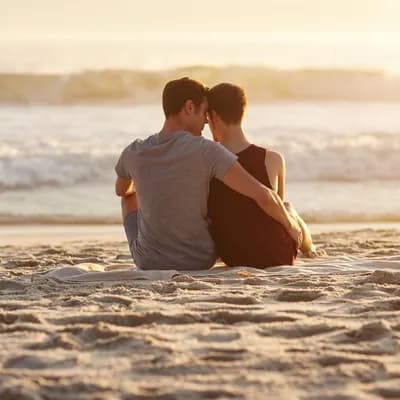
New Travel Destinations Significantly Strengthen Couples
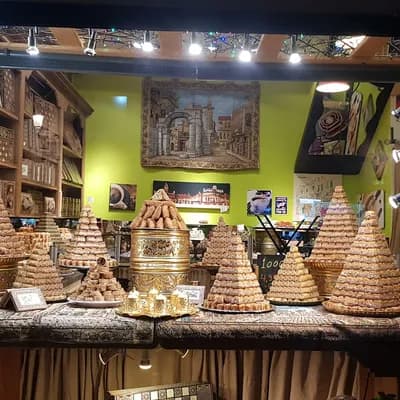
Le Belgica

Holidaypride

2Be Brussels

Station BXL
Monnem Pride: Skiff
Monnem Pride: Layla
African Days: Dahomey