.webp&w=3840&q=75)


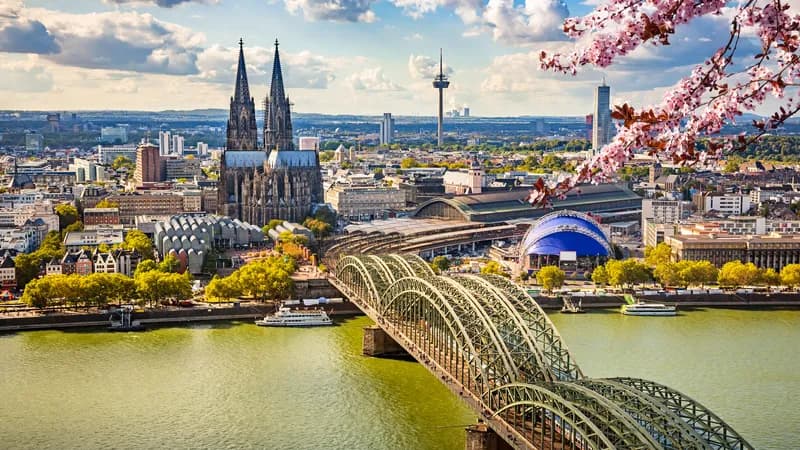
Cologne Cathedral requires twelve euros admission starting in July.
Financing for the Cathedral

kk
Starting in July, the Cologne Cathedral will charge an entry fee for tourists who wish to enter the famous structure outside of church services. The introduction of an entrance fee of twelve euros aims to address the rising costs of maintenance, renovation, and security of the cathedral. In doing so, Germany's most visited church is following an international trend where famous sacred buildings increasingly ask their visitors to pay, thereby securing their long-term funding.
The most important things at a glance
- Starting in July 2024, the Cologne Cathedral will charge an admission fee of twelve euros per person outside of worship services.
- Many world-famous churches, including Sagrada Família in Barcelona and Westminster Abbey in London, have been charging admission for years.
- Some sacred buildings like Notre-Dame in Paris or the Frauenkirche in Dresden remain freely accessible.
- Ticket prices vary widely: between zero euros (Frauenkirche Dresden) and up to 36 euros (Sagrada Família with tower visit).
- The income is used to finance maintenance, personnel, and expensive restoration work.
Entry as a new financing model
Early on, well-known places of worship in Europe, such as the Sagrada Família in Barcelona or Westminster Abbey in London, introduced entrance fees. Especially for structures that are being extensively restored or continued to be built, ticket prices represent an important source of funding. For example, the Sagrada Família charges between 26 to 36 euros for a visit. In London, the entrance fee for Westminster Abbey is 35 euros, while St. Paul's Cathedral charges around 31 euros. Pricing usually depends on the scope and exclusivity of the experience – additional fees are added for tower climbs, guided tours, or access to special treasure rooms. This illustrates how historical identity and tourism experiences intersect with the challenges of modern monument preservation.
Free admission: Where the model still exists
Contrary to what is often assumed, access to some of the most prestigious churches remains free of charge: Notre-Dame in Paris has reopened its doors to visitors without admission after a five-year restoration. The Frauenkirche in Dresden and the Ulm Minster are also free to enter. However, they do charge for certain experiences: for example, one must pay 14 euros to enjoy the panorama from the dome of the Frauenkirche. Climbing to the impressive observation levels of the Ulm Minster costs nine euros. This demonstrates that donation boxes and optional tickets remain the preferred means to strike a balance between accessibility and financial responsibility.
"The high visitor numbers bring us new challenges every year – and high maintenance costs," explains a spokesperson for Cologne Cathedral.
Reasons for the price differences
Price spectra vary significantly on an international level. Factors such as the need for preservation, tourist interest, and legal frameworks play a role. City and state governments often cover part of the costs for historic churches, but for famous buildings like the Cologne Cathedral or the Hagia Sophia in Istanbul, which attract millions of visitors annually, this is often insufficient. While the Hagia Sophia currently charges foreign tourists 25 euros, many European religious buildings require seven-figure sums each year for their restoration. Some churches successfully rely on voluntary donations or subsidized entry models for locals.
Where the journey leads
The introduction of admission fees in historical churches is likely to become more common across Europe. The connection between tourist demand and monument protection proves to be a solid funding basis, but it also raises social questions about the accessibility of significant cultural sites. It remains to be seen whether other German churches will follow the Cologne Cathedral's example in the future and how this will affect the tourist travel experience in Europe in the long term.
Advertisement
Advertisement
Advertisement
Poll Of The Day
Traumziel: Welches Land möchtest du unbedingt noch in deinem Leben sehen?
- A.Japan
- B.Neuseeland
- C.Island
- D.Kanada
- E.Südafrika
- F.Ein anderes
- G.Ich habe kein festes Land, ich will einfach die ganze Welt sehen!
LGBTIQ+ News

Polen blockiert Homo-Ehe - Gerichte streiten über Anerkennung ausländischer Ehen

Weltmeister im Fokus - Fußballer Ferran Torres und Marcos Llorente in den Schlagzeilen

Nackte setzen Zeichen - Spencer Tunick auf Gran Canaria: Widmung an Berlin

Boy George sorgt für Kritik - Neuer Song entfacht Streit um Israel und Gaza
Most Read


Advertisement
Video Of The Day
Advertisement
Advertisement
Advertisement
Poll Of The Day
Traumziel: Welches Land möchtest du unbedingt noch in deinem Leben sehen?
- A.Japan
- B.Neuseeland
- C.Island
- D.Kanada
- E.Südafrika
- F.Ein anderes
- G.Ich habe kein festes Land, ich will einfach die ganze Welt sehen!
LGBTIQ+ News
Polen blockiert Homo-Ehe - Gerichte streiten über Anerkennung ausländischer Ehen
Weltmeister im Fokus - Fußballer Ferran Torres und Marcos Llorente in den Schlagzeilen
Nackte setzen Zeichen - Spencer Tunick auf Gran Canaria: Widmung an Berlin
Boy George sorgt für Kritik - Neuer Song entfacht Streit um Israel und Gaza
Most Read
Advertisement
Video Of The Day

Wine Market on the Riverside of Cologne – Weekday Opening
Wine Market on the Cologne Rhine – Opening Day
Wine Market at the Cologne Rhine Bank – Weekend Opening (Sunday)

Cathedral of St. John the Divine
Wine Market at the Cologne Rhine Embankment – Weekend Opening (Saturday)
Cologne remains Germany's most sex-positive city, falls in global rankings

Netherlands launch 49-euro summer train ticket
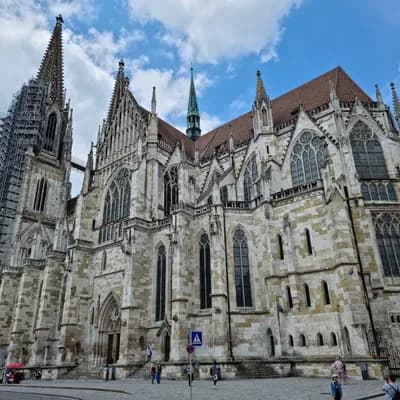
St. Peter Cathedral
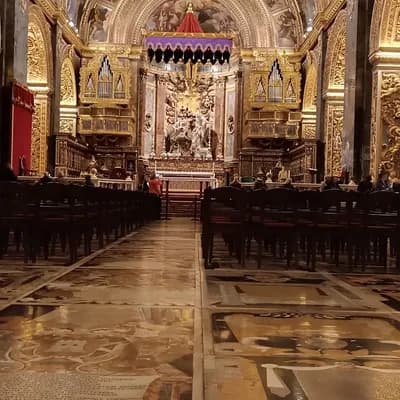
St. John's Co-Cathedral
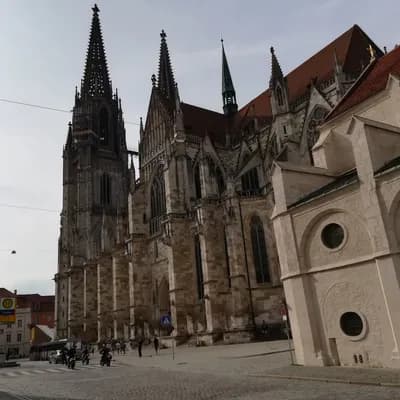
Domplatz

Launched as a test: 9-Euro Ticket