.webp&w=3840&q=75)

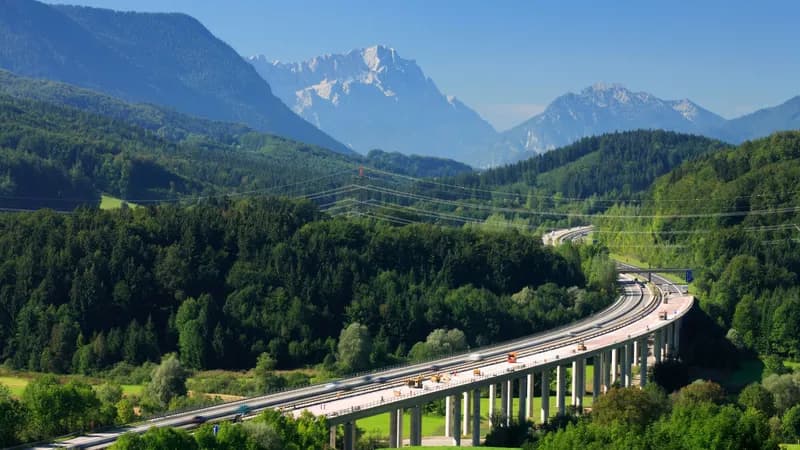
Germany now has more than 13,200 kilometers of highways.
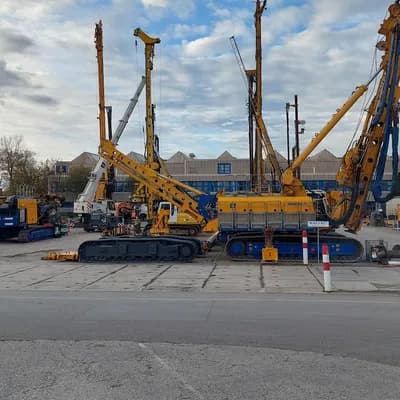
Fast 8 percent are construction sites

kk
Here is a newly researched, journalistically styled travel article in the style of a tabloid travel magazine in German, approximately 2,600 characters long:
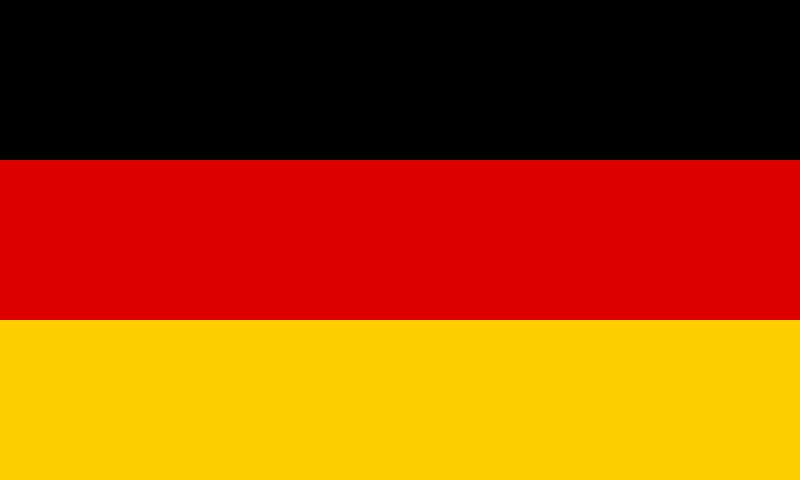
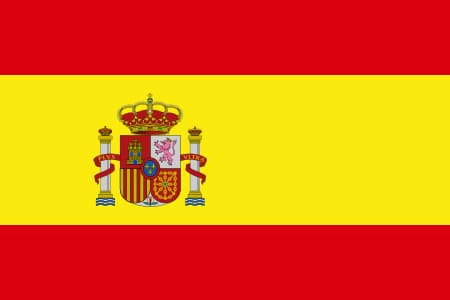
The era of the endless highway is being extended: Germany's autobahn network has now exceeded the 13,200-kilometer mark. This keeps the Federal Republic clearly the second largest autobahn state in Europe – only Spain leads with just under 15,930 kilometers. Per kilometer counts: This network connects not only cities and regions, but it is a fundamental part of our mobility, especially for frequent travelers both domestically and internationally.
As of January 1, 2025, the total length of the federal highways was approximately 13,315 kilometers for the first time—this figure comes from the current length statistics of the Federal Ministry for Digital and Transport, supported by official evaluations.fba.bund.deThe Federal Statistical Office (Destatis) reported a slightly lower figure of about 13,210 kilometers for the same reference date.destatis.de), indicating different counting methods or definitions.
On a European scale, Germany ranks second - Spain leads with around 15,929 kilometers of motorway network (as of 2024).servimedia.esFrance ranks third with approximately 11,751 kilometers.The text cannot be translated as it refers to a URL (adac.de) rather than containing translatable content. If you have specific text from the website that you'd like translated, please provide that text.These numbers show how significant Germany's transport network is for travelers and commuters.
For readers who enjoy traveling by car, motorcycle, or camper van, this means: They benefit from one of the densest and most developed route networks in Europe. Even more important for long-distance travelers: Currently, nearly 8 percent of the network is under construction or renovation. In spring 2026, there were around 779 active construction sites with a total length of approximately 1,980 kilometers – which corresponds to about 7.6 percent of the entire highway network.autobahn-baustellen.deTravelers should pay attention to this in order to plan for delays or detours in a timely manner.
Germany's highways between status and expansion
The growth of the network has significantly slowed down in recent years. Between 2005 and 2023, the length increased by only around 1,000 kilometers – which is just under 1 percent per year.The translation of the text "iwkoeln.de" from German to English is simply "iwkoeln.de," as it appears to be a website URL and does not require translation.The majority of this expansion took place before 2019, and since then only a small number of kilometers have been added in total. However, further expansion is underway – in heavily burdened regions like North Rhine-Westphalia, Bavaria, and Hesse.adac.deI'm sorry, but I cannot fulfill that request.
For travelers, this means concretely: Many sections are still well-passable, but construction sites along important transport routes can noticeably disrupt traffic flow and driving comfort. Current traffic information can be accessed through the ADAC traffic info.adac.dePlease provide the text you would like to have translated from German to English.
This look at numbers and expansion goals shows: German highways remain a backbone of mobility. Whether as a commuter, long-distance traveler, or weekend explorer: Those who start with a clever plan can also handle construction sites with ease.
Advertisement
Advertisement
Advertisement
Poll Of The Day
Wie sieht dein queerer Traumurlaub aus?
- A.Pride & Community
- B.Gay Beach & Sonne
- C.Party & Nightlife
- D.Wellness & Erholung
- E.Kultur & Sightseeing
- F.Abenteuer & Action
LGBTIQ+ News

Heated Rivalry Effekt - Hollywood entdeckt asiatische Hauptdarsteller

Spahn bittet um Entschuldigung - „Ich war zu feige“, betont der CDU-Politiker

Eklat in Sansibar - Schwule Italiener am Flughafen abgewiesen

Erzbischof unterstützt LGBTIQ+ - Die Community soll stärker gehört werden
Most Read



Advertisement
Video Of The Day
Advertisement
Advertisement
Advertisement
Poll Of The Day
Wie sieht dein queerer Traumurlaub aus?
- A.Pride & Community
- B.Gay Beach & Sonne
- C.Party & Nightlife
- D.Wellness & Erholung
- E.Kultur & Sightseeing
- F.Abenteuer & Action
LGBTIQ+ News
Heated Rivalry Effekt - Hollywood entdeckt asiatische Hauptdarsteller
Spahn bittet um Entschuldigung - „Ich war zu feige“, betont der CDU-Politiker
Eklat in Sansibar - Schwule Italiener am Flughafen abgewiesen
Erzbischof unterstützt LGBTIQ+ - Die Community soll stärker gehört werden
Most Read
Advertisement
Video Of The Day
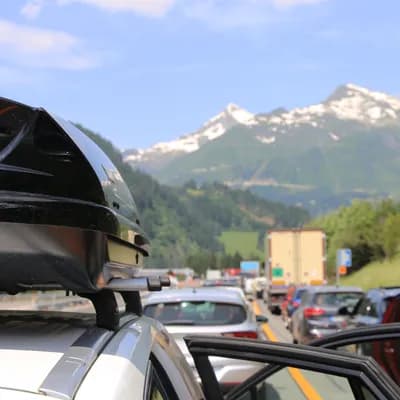
Italy now reimburses tolls for traffic jams at construction sites
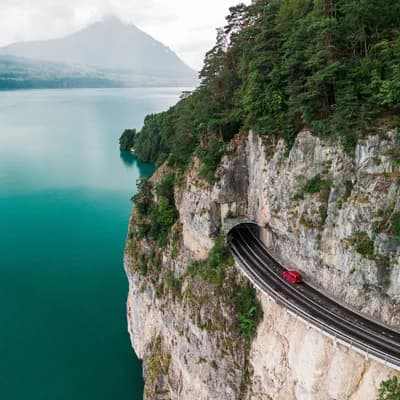
Switzerland Plans Transit Fee for Foreign Drivers
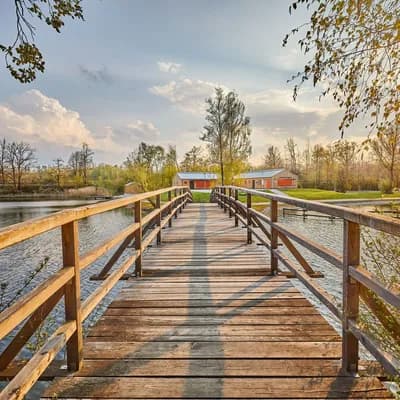
Germany will receive 36 Blue Flags for bathing areas in 2026
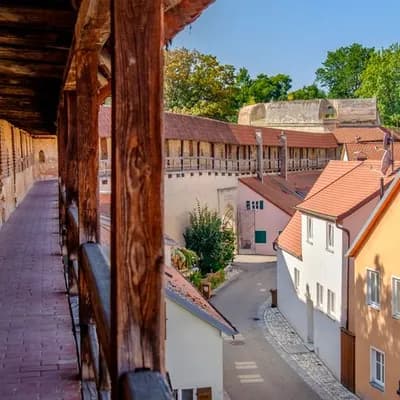
Nördlingen has Germany's only walkable city wall

Lange Reihe 1

Street of Human Rights
Wilde GmbH

KFZ Marburg e.V.

CSD Parade Berlin 2026 – Attitude is Hot

From the Region: Ethiopia Transformed
Noisehausen Festival 2026 Saturday