
.webp&w=3840&q=75)

Greenland, Serbia, Morocco, and Georgia: Alternative Destinations in Sustainable Tourism
Alternative Destinations on Course

kk
The trend towards alternative travel destinations is gaining momentum. While many regions in Europe are struggling under the influx of tourists and...
The trend towards alternative travel destinations is gaining momentum. While many regions in Europe are groaning under the onslaught of tourists and demonstrations against overcrowding are becoming commonplace, other destinations are welcoming visitors with open arms—often off the beaten path. Those willing to leave the familiar behind will find inspiring places on the map where genuine hospitality, room to breathe, and unspoiled nature are not empty promises.
Longing for new horizons
Travelers today often seek experiences beyond the obvious hotspots. Europe and the world offer numerous regions that suffer from mass tourism – such as Barcelona, Mallorca, or the Canary Islands, where locals even regularly protest against the influx of tourists. At the same time, there are countries that still deserve a spot on the special list of undiscovered gems. Some national tourism boards are practically competing for the hearts of vacationers. Four countries want to open themselves up to new streams of visitors: Greenland, Serbia, Morocco, and Georgia are ready to warmly welcome travelers.
Greenland: Departure into Arctic Adventure
Those seeking the feeling of expansiveness and absolute silence will find a travel paradise in Greenland, far from any crowds. The largest island in the world, located between the North Atlantic and the Arctic Ocean, is gradually increasing its tourism offerings. Adventure travelers and lovers of spectacular natural phenomena will particularly enjoy their time here—whether it's climbing mountains, camping on the endless ice sheet, or embarking on an expedition to see the Northern Lights. The recent opening of an international airport has significantly eased travel to the region, fostering hopes of attracting a wider audience to the Arctic's beauty.
"Our focus is on quality rather than quantity. We want to attract visitors who respectfully explore our country without displacing the locals," explains Tanny Por, Head of International Relations at Visit Greenland.
At the same time, Greenland is trying to strike a balance between economic necessity and sustainable tourism: the new infrastructure is intended to promote more development in the medium term – but with the stated aim of preserving the character of the island.
Serbia: Culture, Culinary Delights, and Sustainable Idyllic Scenery
Unlike neighboring Croatia, which has been overwhelmed by tourist numbers for years, follows...Serbiaa strategy that focuses on gentle tourism. The country specifically emphasizes its scenic diversity, regional cuisine, and rich history instead of all-inclusive vacations. The promotion of rural areas, the expansion of wellness and health offerings, as well as mountain tourism not only strengthen the local economy but also ensure authentic encounters between guests and hosts.
The change is having an effect: In 2023, Serbia recorded an increase of 20 percent in foreign guests compared to the previous year. Especially Belgrade with its vibrant nightlife and Novi Sad, with its majestic fortress.Petrovaradinare very popular among city travelers. The global interest in sustainable forms of travel is causing Serbia to gradually catch up as a European travel destination.
Morocco: Between Orient, Ocean, and Spirit of Departure
Morocco is facing an exciting development. As the host of the 2030 FIFA World Cup in cooperation with Spain and Portugal, the kingdom is making massive investments in its tourist infrastructure. The government’s stated goal: To double the annual number of visitors in the next five years – from currently about 13 to 26 million.
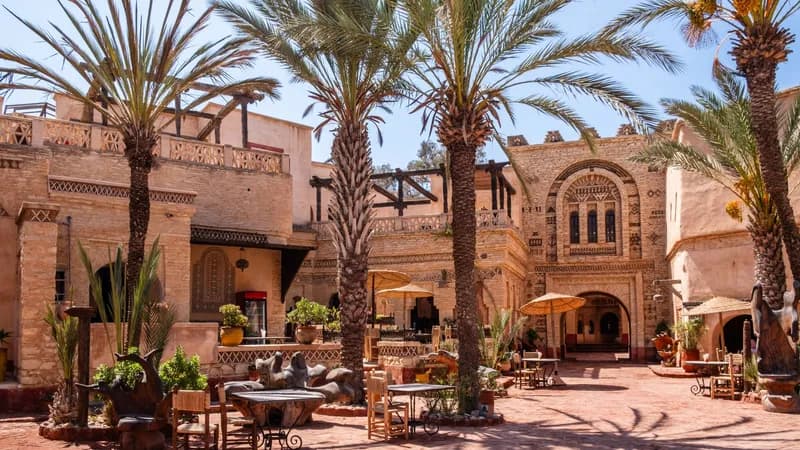
While classic destinations like Marrakech and the Atlantic coast are already showcasing their appeal, Morocco is planning investments especially off the beaten path. New hotels and stadiums are being built to bring metropolitan areas like Casablanca, Agadir, or Tangier more into the tourist spotlight.
City trips, surfing dreams, and desert adventures – anyone visiting Morocco soon will experience a country in transition and with new facets that excitingly combines tradition and modernity.
Georgia: A Hidden Gem in the Caucasus
Georgia, nestled between the Caucasus Mountains and the Black Sea, is increasingly attracting curious explorers. Away from classic travel destinations, regions like Svaneti, the wine areas around Kakheti, or the port city of...Batumiunforgettable impressions. Even today, the road network is incomplete in many places, but this does not detract from the deceleration – here, the experience and the encounter with a vibrant hospitality are what matter.
An ambitious development plan along with major projects in the transportation sector and cruise tourism aims to further improve conditions for visitors. The authentic mix of Soviet architecture, Orthodox spirituality, and Georgian wine culture makes the country one of the most exciting up-and-coming destinations in Eastern Europe.
Voices from the Industry: Opportunities and Responsibility
More and more travel experts are calling for a redistribution of visitor flows so that the benefits of tourism can be utilized more broadly.
"It is our responsibility to open up new travel paths and create sustainable offerings. This way, we can not only strengthen our economy but also promote cultural exchange," summarizes a representative of the International Tourism Council (UNWTO).
Perspectives: The Path to More Diversity in Tourism
The global perspective on travel is changing rapidly. Climate protection, authenticity, and more conscious experiences are coming to the forefront. Regions like Greenland, Serbia, Morocco, and Georgia could significantly benefit in the coming years if they focus on sustainable tourism and livable hospitality – for both their citizens and visitors.
Curiosity and openness to the unknown are worthwhile. The time seems ripe to discover new regions before they become the next big players in the travel scene.
Those seeking further insights into responsible tourism and sustainable destinations can find current information from national tourism authorities, the UNWTO, and reports from the EU Commission.
Advertisement
Advertisement
Advertisement
Poll Of The Day
Wann beginnt für Dich der Urlaubskick?
- A.Schon Monate vorher, direkt nach dem Abschicken der Buchung
- B.In den Wochen davor beim Recherchieren von Ausflugszielen und Restaurants
- C.Beim Kofferpacken am Tag vor der Abreise
- D.Am Tag der Abreise auf dem Weg zum Flughafen oder Bahnhof
- E.Erst in dem Moment, in dem ich das Hotelzimmer betrete
- F.Der Kick kommt gar nicht, ich bin vor der Abreise nur gestresst
LGBTIQ+ News


Most Read


Advertisement
Video Of The Day
Advertisement
Advertisement
Advertisement
Poll Of The Day
Wann beginnt für Dich der Urlaubskick?
- A.Schon Monate vorher, direkt nach dem Abschicken der Buchung
- B.In den Wochen davor beim Recherchieren von Ausflugszielen und Restaurants
- C.Beim Kofferpacken am Tag vor der Abreise
- D.Am Tag der Abreise auf dem Weg zum Flughafen oder Bahnhof
- E.Erst in dem Moment, in dem ich das Hotelzimmer betrete
- F.Der Kick kommt gar nicht, ich bin vor der Abreise nur gestresst
LGBTIQ+ News
Most Read
Advertisement
Video Of The Day
Last-Chance Tourism hardly increases climate awareness
Chile as a multifaceted destination for sustainable luxury tourism
Extreme Tourism: Adventurous Experiences from Heights to Depths

How can one travel more sustainably?

Crete

Guesthouse Hygge
Les Arcs

The Sanctuary Eco Retreat

From the Region: Ethiopia Transformed

Culture Month – Game Night with The Greens
Sitges Pride