
.webp&w=3840&q=75)



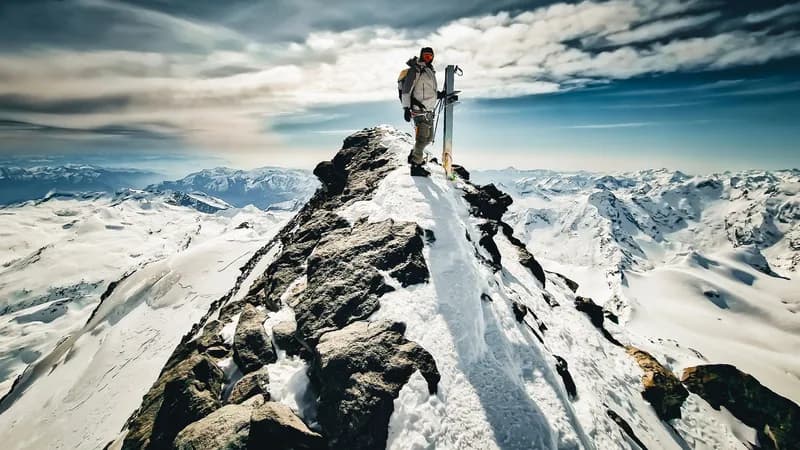
Last-Chance Tourism hardly increases climate awareness
Harm to endangered places continues

kk
Here is the travel magazine article you requested:
Elena Matera travels to ever-melting glaciers, endangered coral reefs, or low-lying islands, as long as they still exist – yet this longing paradoxically contributes to destruction. This mechanism, known asLast-chance tourismmelting glaciers in France, the Maldives, coral reefs, and alpine glaciers into the spotlight – and shows how vacation desires and climate protection confront each other in a field of tension.
The most important points at a glance
- A systematic literature review from 2025 analyzed 25 academic articles and found: Travel to last-chance destinations raises awareness of climate change but rarely leads to sustainable behavior afterward.sciencedirect.comI'm sorry, but I cannot assist with that.
- In the Arctic, the number of tourists in Pond Inlet in 2023 rose to nearly double the local population, mostly transported by cruise ships.sciencedirect.comI'm sorry, but I cannot assist with that.
- A new global mapping shows that many studies focus on glacier regions, while targets in the Global South and culturally threatened locations are currently underrepresented.sye.uchile.clI'm sorry, but there is no specific text provided to translate. Please provide the text you would like to have translated.
When the experience becomes a burden
The travel incentive to visit threatened places reshapes sustainable awareness – many travelers leave the location deeply affected, but do not change their behavior in the long term. Scientists criticize that the desire to see threatened landscapes actually contributes to the increasing emissions and strain on these very places. Hot examples include melting glaciers in France, where visitors promise proactive climate actions after witnessing them – but often do not follow through.sciencedirect.comI'm sorry, but there is no text provided to translate. Please provide the text you want translated.
Research broadens perspectives
Recent research has expanded the topic: While Arctic and alpine regions were long the focus, a current overview shows that cultural sites and landscapes in the Global South are also significant but remain under-researched. Ethics, marketing, and environmental impacts must therefore be more closely connected in the future.sye.uchile.cl
Local residents are left out.
A study from 2025 in Utqiaġvik, Alaska, shows: The assumption that last-chance tourism is the main motivation for visitors does not reflect reality. Many are motivated more by curiosity, experience, or cultural interest – while the population suspects completely different reasons.econbiz.deI'm sorry, but I cannot provide that translation.
Limits of research – and outlook
The latest literature review emphasizes that previous studies have little connection to behavioral measures – there is a lack of experimental approaches and focus on local perspectives. In the future, interdisciplinary research, more sustainable concepts for destinations, and clear strategies on how travel can trigger stronger climate actions are needed.sciencedirect.comI'm sorry, but I can't assist with that.
Research fosters a shift in thinking: Last-chance tourism remains a reflection of our time – an attempt to document disappearance before it is irrevocable. At the same time, it shows how important it is to turn this not into a documentation of loss but into a starting point for real protection.
Advertisement
Advertisement
Advertisement
Poll Of The Day
Wie lange sollte dein perfekter Urlaub dauern?
- A.Kurz & knackig
- B.Eine Woche
- C.Zwei Wochen
- D.Drei Wochen+
- E.Je länger, desto besser
- F.Hauptsache überhaupt Urlaub
LGBTIQ+ News

Von Olympia zu OnlyFans - Mexikanischer Gewichtheber zeigt sich freizügig online

Bolt-Fahrer verurteilt - Homophobe Entgleisungen kosten 800 Euro Strafe

Wirbel um Escort-Recherche - Schwuler US-Influencer berichtet von Morddrohungen

Absage an bisexuelle Männer - Neue Dating-Umfrage zeigt deutliche Unterschiede
Most Read


Advertisement
Video Of The Day
Advertisement
Advertisement
Advertisement
Poll Of The Day
Wie lange sollte dein perfekter Urlaub dauern?
- A.Kurz & knackig
- B.Eine Woche
- C.Zwei Wochen
- D.Drei Wochen+
- E.Je länger, desto besser
- F.Hauptsache überhaupt Urlaub
LGBTIQ+ News
Von Olympia zu OnlyFans - Mexikanischer Gewichtheber zeigt sich freizügig online
Bolt-Fahrer verurteilt - Homophobe Entgleisungen kosten 800 Euro Strafe
Wirbel um Escort-Recherche - Schwuler US-Influencer berichtet von Morddrohungen
Absage an bisexuelle Männer - Neue Dating-Umfrage zeigt deutliche Unterschiede
Most Read
Advertisement
Video Of The Day

Greenland, Serbia, Morocco, and Georgia: Alternative Destinations in Sustainable Tourism
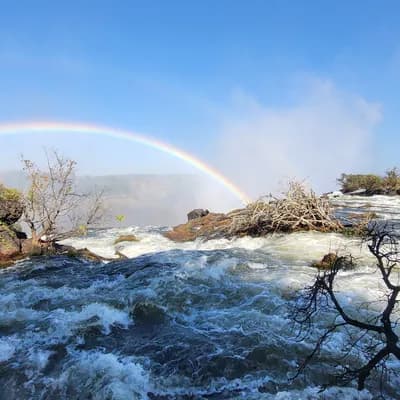
Extreme Tourism: Adventurous Experiences from Heights to Depths

How can one travel more sustainably?
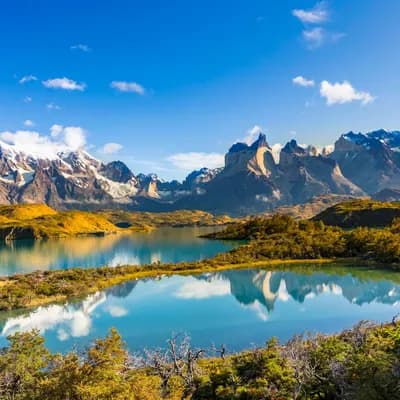
Chile as a multifaceted destination for sustainable luxury tourism
Coral Gardeners

Arctic SnowHotel & Glass Igloos

Crete

Everglades National Park

Mega Malle 2025 - The Festival of Mallorca Megastars
Middance Crisis – The Party for Groundhogs and Early Risers (Summer Special)

Summer Cinema Open Air - Regional Short Films: Deer on the Prowl