
.webp&w=3840&q=75)


Madikwe Safari: Sustainable Nature Experience for LGBTIQ+ Travelers
LGBTIQ+ tourism is growing in Madikwe

kk
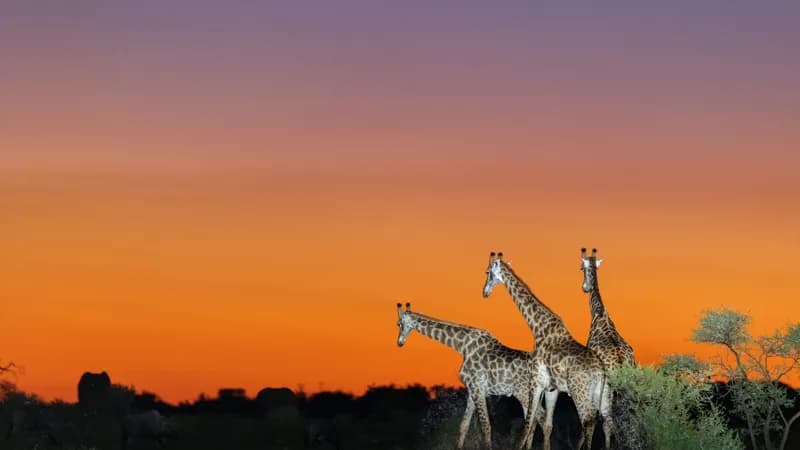
The South African bush unfolds just before sunset into a spectacle of colors featuring bright oranges and reds, while the quiet...
The South African bush unfolds a color spectacle of vibrant oranges and reds just before sunset, while the gentle humming of insects creates a sound backdrop over the savannah. Anyone who sets foot in the remote...Madikwe Game Reservesets, immerses into a world where humans and nature are separated only by the thinnest boundaries.
In the infinite wilderness of Madikwe
The first impressions are intense: after a flight on a propeller plane that glides over worn sand tracks and tiny villages, a guide – dressed entirely in khaki – greets you at an empty runway. From here, the adventure begins in an open safari vehicle. Each visit inMadikweis characterized by the vibrant sounds of the African bush. Once the sun disappears behind the acacias, nocturnal animals take over and the sky transforms into a sea of sparkling stars, something one could hardly imagine in Europe.
I'mJaci’s LodgesIn an oasis that harmoniously wraps around a picturesque waterhole, everyday life feels far away. Elevated wooden walkways wind between the tree houses, while antelopes and small multicolored martens scuttle beneath the decks. The furnishings combine African woods, modern comfort, and the quiet promise of a deep slowdown—all framed by the wild concert of nature. Culinary delights await as well, whether during afternoon tea times with local delicacies or gins, crowned by the low-hanging sun.
Safari in the Heart of Nature
The allure of a safari often lies in the unexpected. Elephants, giraffes, and kudus roam the plains by day; after a weather change, dark shapes appear, conquering the bush with glowing eyes. The guides ensure both safety and exciting moments. Observing elephant families at the waterhole or following the play of zebras and giraffes quickly makes it clear that every moment in Madikwe is unique. The animals are unafraid of safari vehicles, as the concept of protection has been highly valued in the reserve for decades.
The privacy that guests experience through the generously designed accommodations is representative of the ethos of many South African wildlife areas: conservation and sustainable tourism concepts go hand in hand here. The Madikwe Reserve is considered a showcase project for the reintroduction of endangered wildlife species and has been thriving since its establishment, not least due to close collaboration with local communities.
Voices from the Wilderness
"Sometimes it is the beauty of the hidden that touches the soul in the African night," he explains.Safari Guide Davidwhile commenting on the buzzing of the crickets and the distant barking of a jackal.
Not only guides, but also international animal welfare organizations regularly emphasize the importance of wildlife reserves like Madikwe. Here, it is possible to secure rare species like the African wild dog or the white rhinoceros in the long term. The success stories are just as much a part of the safari experience as the educational conversation after sunset by the campfire.
Sustainable Perspectives for Nature and Visitors
The new developments in sustainable safari tourism in South Africa go far beyond classic game drives. Many lodges today offer educational programs on ecosystems, nature photography, or collaboration with local communities. Responsible wildlife observation – without disturbing the animals – is also increasingly in focus.
Statistics show that the ecological and social benefits of nature reserves benefit a large part of the rural population. In Madikwe, for example, many employees come from surrounding villages, which not only creates jobs but also fosters a strong sense of responsibility for the protection of nature. In 2023, South African wildlife reserves recorded an increase in international visitor numbers – a positive signal for sustainable tourism and species conservation on the continent.
Rising temperatures and climate change still pose challenges, such as water shortages or new wildlife diseases. This makes the ongoing efforts to preserve natural spaces, reintroduce new species, and raise visitor awareness about the importance of biodiversity all the more crucial.
Those who are ready to leave civilization behind for a few days will find a cosmos in the expansive South African bush, where every safari is more than just a collection of beautiful photo opportunities. It is a deep immersion into the pulse of Africa – and an invitation to rediscover one's relationship with nature.
Further informationFor deeper insights into wildlife conservation and sustainable tourism in South Africa, specialized reports from environmental organizations, current nature travel guides, and the websites of local conservation areas are recommended.
Advertisement
Advertisement
Advertisement
Poll Of The Day
Wann beginnt für Dich der Urlaubskick?
- A.Schon Monate vorher, direkt nach dem Abschicken der Buchung
- B.In den Wochen davor beim Recherchieren von Ausflugszielen und Restaurants
- C.Beim Kofferpacken am Tag vor der Abreise
- D.Am Tag der Abreise auf dem Weg zum Flughafen oder Bahnhof
- E.Erst in dem Moment, in dem ich das Hotelzimmer betrete
- F.Der Kick kommt gar nicht, ich bin vor der Abreise nur gestresst
LGBTIQ+ News

Heated Rivalry im Kino - Connor Storrie verkürzt zudem die Wartezeit auf Staffel 2

Letzte Küsse in der Kutsche - Central Park verliert Liebeszauber

Schwuler Volleyballstar - Rui Takahashi berichtet vom Rückhalt seines Bruders

Schwere Vorwürfe gegen Graham - Dokumentation über Sexleben des verstorbenen US-Senators
Most Read


Advertisement
Video Of The Day
Advertisement
Advertisement
Advertisement
Poll Of The Day
Wann beginnt für Dich der Urlaubskick?
- A.Schon Monate vorher, direkt nach dem Abschicken der Buchung
- B.In den Wochen davor beim Recherchieren von Ausflugszielen und Restaurants
- C.Beim Kofferpacken am Tag vor der Abreise
- D.Am Tag der Abreise auf dem Weg zum Flughafen oder Bahnhof
- E.Erst in dem Moment, in dem ich das Hotelzimmer betrete
- F.Der Kick kommt gar nicht, ich bin vor der Abreise nur gestresst
LGBTIQ+ News
Heated Rivalry im Kino - Connor Storrie verkürzt zudem die Wartezeit auf Staffel 2
Letzte Küsse in der Kutsche - Central Park verliert Liebeszauber
Schwuler Volleyballstar - Rui Takahashi berichtet vom Rückhalt seines Bruders
Schwere Vorwürfe gegen Graham - Dokumentation über Sexleben des verstorbenen US-Senators
Most Read
Advertisement
Video Of The Day
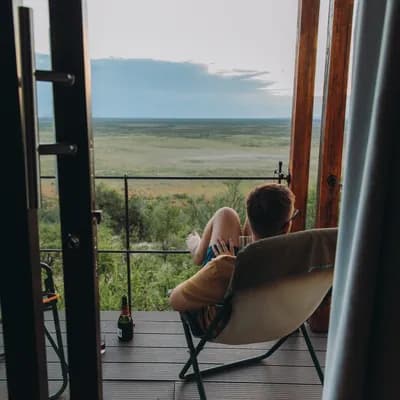
Mass Tourism vs. Sustainability
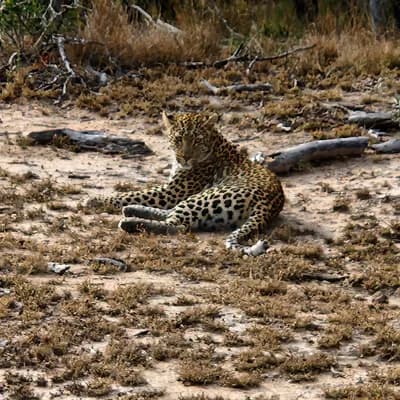
Sabi Sand Nature Reserve

Silvan Safari
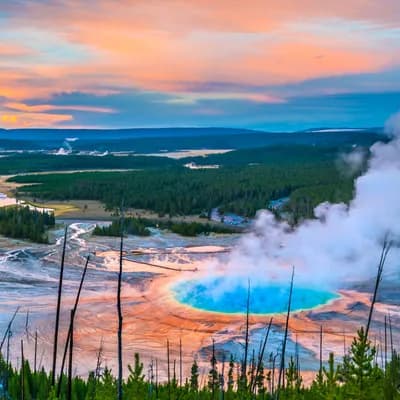
LGBTQ+ Friendly Road Trip: Queer Hotspots and Nature in the US West
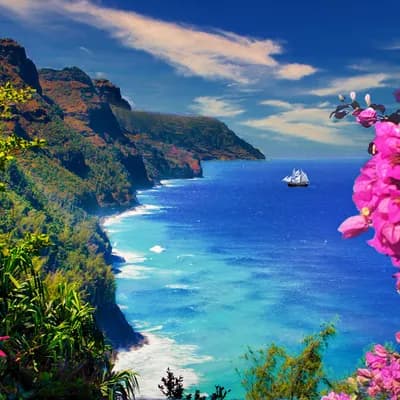
Queer Travelers Discover US National Parks: Diversity and Sustainable Conservation
Luxury Sightseeing: New Perspectives for LGBTQ* Travelers
Nkwichi Lodge

Grootbos Private Nature Reserve

Drag Voyage - The Secrets of the Drag Forests!
Sitges Pride Gay Village

Ades Zabel & Friends: Edith's Midsummer Night's Dream 2025 Open Air