.webp&w=3840&q=75)


Morocco as a Bridge: Diversity and Tolerance in Modern Change
Morocco: Tradition and Modern Openness

kk
A worn path to spiritual change: Morocco's kasbahs, mountains, and modern openness.
Magic, diversity and movement in Marrakech
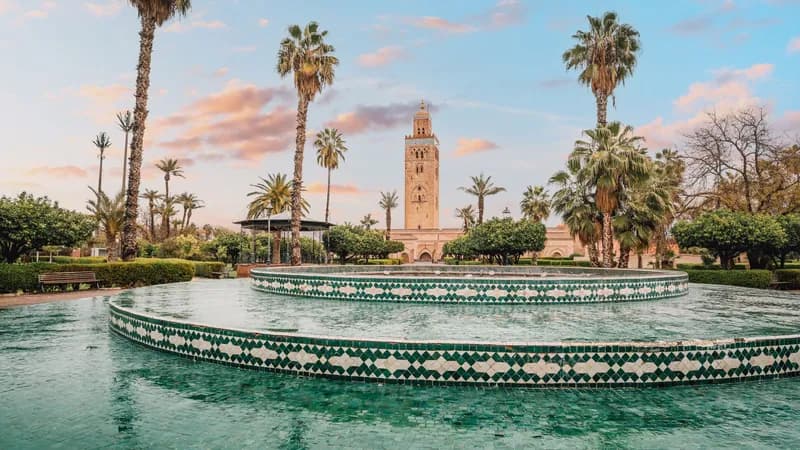
Even during the descent into Marrakech, the magic begins: The city, once built by Berbers as a refuge against conquerors, now pulsates with life and contrasts. Visitors encounter narrow, labyrinthine streets where cafés shimmer on centuries-old foundations and market stalls cry out for spices and freshly baked flatbreads. Amidst people in traditional djellabas and tourists in summer chic, Marrakech reveals itself as an inimitable mosaic of cultures, religions, and lifestyles.
The walls of the old town, built in the 11th century for protection, today hold the essence of a cosmopolitan city—over a million people call it home, and the number of guests grows each year. Marrakech stands as a symbol of the new Morocco, where traditional heritage meets modern tolerance. In the streets, conversations about education, women's rights, and diversity flourish, while street musicians weave rhythms between the East and the West.
Between Minarets and Modernism: Sights to See in the Red City
Whether it's villa gardens, hamam indulgence, or relaxed evenings over Jemaa el Fna—Marrakech offers experiences that go far beyond guidebook tips. In the Majorelle Garden, cobalt blue pavilions and fragrant plants stand out. The oasis was created in the 1920s by the French artist Jacques Majorelle and lovingly restored by Yves Saint Laurent. Today, it is not only a botanical dream but also a tribute to the diversity of Berber culture.
Anyone staying in Marrakech cannot miss a traditional hammam. For many Moroccan women, especially Muslim women, the weekly visit is a social institution. From soothing scrubs to fragrant oils—this wellness culture is both relaxation and social interaction. In the evening, locals and travelers flock to the large market Jemaa el Fna, where acrobatics, jugglers, and the aromas of tagine and mint tea tantalize the senses.
In the Shadow of Jebel Toubkal: Berber Culture in the High Atlas
But Marrakech is just the overture. Those who want to dive deeper head towards the Atlas Mountains. In the village of Imlil, just a two-hour drive from the city, the Kasbah du Toubkal welcomes its guests with a magnificent panoramic view of Morocco's highest peaks. The inn, once a summer residence of a Berber prince, symbolizes the renaissance of sustainable tourism—since its restoration, local communities have directly benefited from the revenue.
The Berber-style kitchen serves only regional products: fresh meat, crisp fruit, hearty bread, and spicy olives. Guests enjoy the enclave full of tranquility and grandeur, interrupted only by the call of the muezzin in the morning and the music of nature—an ideal setting for mindful pauses and spiritual retreats.
Voices: Personal Encounters and New Perspectives
"Change is never easy, but those who are educated and have courage can find new paths in Morocco," says Fatima, a young entrepreneur from Imlil, who founded her business through self-initiative against societal resistance.
Such stories unfold daily in the country. Coaching sessions or retreats like "Lead Like a River" focus on the connection between nature experiences and personal development. Employees of international companies, coaches, and artists explore new paths beyond everyday life: they meditate, write, and embark on solo hikes to return to the source of their own strength.
The Moroccan hosts, particularly in the Kasbah, embody the philosophy of their people: hospitality as a way of life and openness as an opportunity for communication. For many participants, this approach leads to a transformation—often resulting in projects to promote community, support refugees, or innovative educational offerings.
Beyond the Journey: Potentials and Challenges
Tourism, sustainability, and cultural identity: Morocco is currently at a significant threshold. While more than ten million guests visit the country each year, the importance of sustainable offerings that strengthen local structures is growing. Efforts in areas such as regenerative tourism or the preservation of Berber culture are now regarded as exemplary on an international scale.
At the same time, the challenge remains to reconcile old traditions with modern demands. Many young Moroccans connect with values such as education and tolerance without becoming estranged from their roots. Morocco thus becomes a bridge between Africa, Arabia, and Europe—a place where upheavals can turn into opportunities.
Those who want to experience this development live can find numerous points of contact: from local initiatives in Berber villages to international retreats and sustainable eco-lodges, new horizons are opening up. The kasbahs of the Atlas, with their centuries-old walls, remain places of learning and encounter—for travelers as well as locals.
For further information, it is recommended to visit the pages of the Moroccan Tourism Office and reports from independent organizations on sustainable travel as well as culture and women's promotion in Morocco.
Advertisement
Advertisement
Advertisement
Poll Of The Day
Wie lange sollte dein perfekter Urlaub dauern?
- A.Kurz & knackig
- B.Eine Woche
- C.Zwei Wochen
- D.Drei Wochen+
- E.Je länger, desto besser
- F.Hauptsache überhaupt Urlaub
LGBTIQ+ News

Trey Cunningham selbstbewusst - Rekorde und Blick Richtung Olympia

Kerle in besonderer Tracht - Ein Outfit, das die Fantasie schwuler Männer umtreibt

Netflix und LGBTIQ+ - Viele queere Sichtbarkeit unter den Top-Serien

Mordversuch mit Bierflasche - Mann niedergestochen – weil Angreifer ihn für schwul hielt
Most Read

Advertisement
Video Of The Day
Advertisement
Advertisement
Advertisement
Poll Of The Day
Wie lange sollte dein perfekter Urlaub dauern?
- A.Kurz & knackig
- B.Eine Woche
- C.Zwei Wochen
- D.Drei Wochen+
- E.Je länger, desto besser
- F.Hauptsache überhaupt Urlaub
LGBTIQ+ News
Trey Cunningham selbstbewusst - Rekorde und Blick Richtung Olympia
Kerle in besonderer Tracht - Ein Outfit, das die Fantasie schwuler Männer umtreibt
Netflix und LGBTIQ+ - Viele queere Sichtbarkeit unter den Top-Serien
Mordversuch mit Bierflasche - Mann niedergestochen – weil Angreifer ihn für schwul hielt
Most Read
Advertisement
Video Of The Day
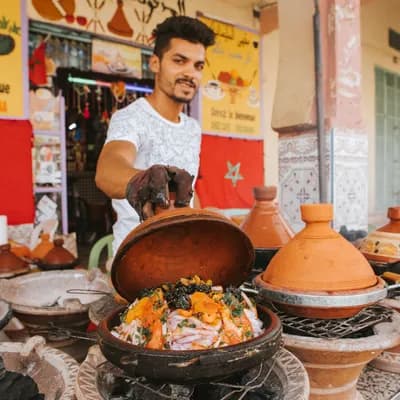
Morocco: Legal Restrictions on Public Displays of Affection
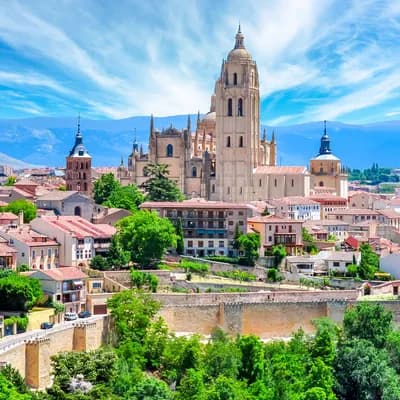
Castile and León: Queer Diversity in Rural Travel Paradise
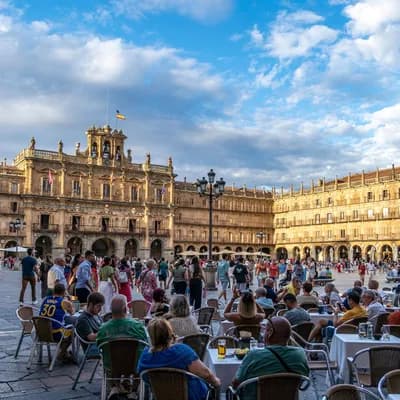
Castile and León: Change and Inclusion for LGBTQIA+
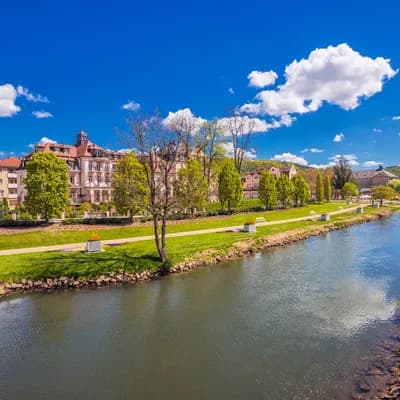
Bad Kissingen: Spa Town Unites Tradition and Modern Diversity

Riad Dar Zaman

Pointbar Marrakech
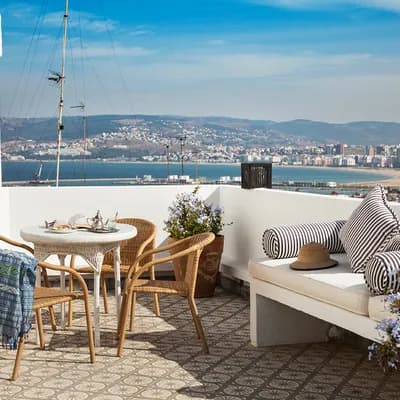
Riad Mokhtar

كومبتوار دارنا
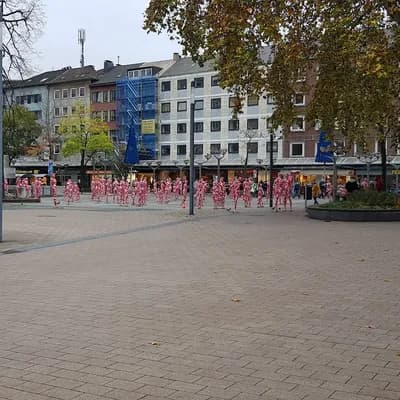
CSD Duisburg – Demonstration for Diversity, Respect, and Acceptance
From the Region: Ethiopia Transformed

Raising the Rainbow Flag + Demo