
.webp&w=3840&q=75)

Morocco: Legal Restrictions on Public Displays of Affection
Strict rules for declarations of love

kk
Morocco – Between Magic and Misunderstandings
Those traveling to Morocco often feel as if they are walking in the footsteps of the tales from 1001 Nights. However, the reality in this diverse country is more complex than stereotypes might suggest. German vacationers, in particular, are fascinated by the vibrant souks, impressive palaces, and the oriental backdrop. Yet, away from the romantic charm, encounters with North African culture and the differences in everyday life can present many pitfalls. To ensure that the stay remains wonderfully memorable – and not uncomfortable – it is worthwhile to consider some lesser-known customs and risks.
Stumbling blocks in everyday life: What you should better avoid
From the arrival in Marrakech to the desert of Merzouga, travelers inevitably encounter situations that can be surprising. Taxis, in particular, are notorious: large vehicles specialized for tourists are often waiting right in front of hotels and at airports, and they are frequently much more expensive than the typical small taxis with meters ("compteur"). Here, caution pays off – a short walk to the next street provides not only authentic insights but also fair prices. Shared or "Grand Taxis" are a good alternative: they only depart when full and allow for affordable rides, especially between cities.
Another must-have: a stable internet connection. Especially for those who want to stay flexible, affordable local SIM cards or eSIM offers are beneficial, allowing quick access to bookings, navigation, and dining recommendations. While there is often Wi-Fi available in cafés and at airports, investing in mobile data is worthwhile for secure mobility and spontaneity.
Unlike many expect, a trip to Marrakech is often characterized by a rapid sensory overload. The bustling old town with the famous Djemaa el Fna square seems like a large stage where the imagination of visitors dances to herbs, performers, and sounds – but here, crowds of visitors, business interests, and staging also come together. For many, a short stay is enough to feel the atmosphere before heading to quieter places like Essaouira, Chefchaouen, or the sea.
Food as Adventure and Risk: Tips for the Stomach
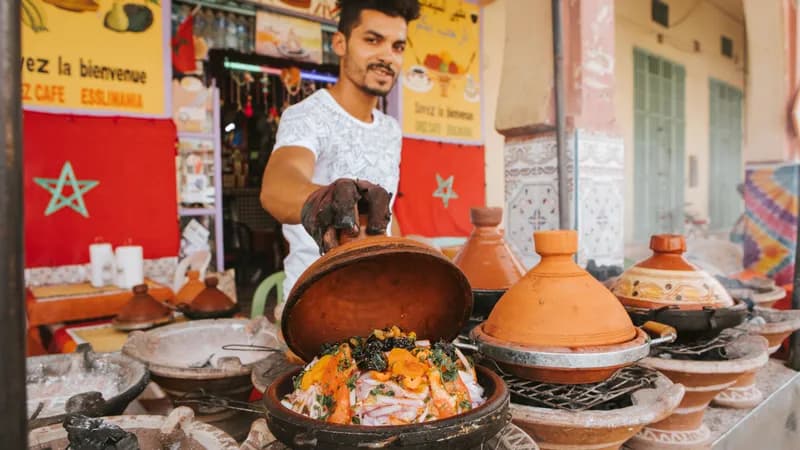
An unforgettable part of any trip to Morocco is the culinary delights – exotic dishes, warm spices, and Moroccan classics such as Tajine or Harira soup. However, caution is advised regarding hygiene. Tap water is off-limits – even for dental hygiene and washing fruits. The same goes for ice cubes: it's better to avoid them. It is advisable to ask locals for their favorite restaurants – in busy places with positive reviews, the risk of food poisoning decreases. To be on the safe side, one should stick to cooked foods and well-frequented eateries.
A nice extra: As in many countries, tipping is also common in Morocco. Ten percent is standard and is usually expected with pleasure – not least because service staff often depend on these gratuities.
The rhythm of Ramadan
The travel time influences the character of your stay. During the month of fasting Ramadan, almost everything comes to a standstill — many restaurants and shops are closed during the day, and some attractions appear nearly deserted. Only in the evenings do streets and squares come alive when the traditional breaking of the fast, Iftar, begins. Not only should tourists refrain from eating, drinking, or smoking in public during the day out of respect — this time also offers the opportunity to experience the country from a new perspective. For travelers who value full cultural offerings, however, a different time of year is recommended.
Money, customs, and real Morocco moments
As is the case everywhere abroad, using ATMs in Morocco is associated with fees – withdrawals can incur charges of 5 to 10 euros. Therefore, it is advisable to bring cash in euros before the trip and exchange it for the local currency, dirhams, on-site. One cannot rely on credit card payments – many restaurants and smaller guesthouses only accept cash.
Another attraction and stumbling block at the same time: the topic of animal ethics. Camel or dromedary rides often serve purely as tourist entertainment and are questionable from an animal welfare perspective. However, there are exciting alternatives, such as quad tours in the dunes or guided hikes through the Atlas Mountains.
Respect and sensitivity: Observe cultural taboos
Adapting does not mean bending – but wise restraint and respect are required. Striking, short clothing is by no means common among Moroccans; loose, long garments not only honor traditions but also protect against the sun. Displays of affection in public – whether between heterosexual or homosexual couples – are not well-received and can have legal consequences. Especially beyond the tourist centers, a discreet appearance facilitates immersion in Moroccan daily life.
"Those who want to engage with Moroccan culture should bring patience, openness, and respect. Only then can one truly understand and enjoy the country." — <strong>Dr. Nadia El Kadiri</strong>, Social Scientist on intercultural bridges
Future of Travel Desire: Sustainability and New Perspectives
Current trends show: Morocco is increasingly coming into focus for sustainably oriented travelers. Initiatives for sustainable tourism and respectful interactions with the land and its people are gaining importance. Vacationers are increasingly making conscious choices for local providers, authentic accommodations, and pet-friendly leisure activities. At the same time, the digital infrastructure, such as mobile communication and payment systems, is continuously improving to meet the needs of modern travelers.
Morocco remains an exciting destination for adventurers and connoisseurs – provided one brings enough sensitivity and flexibility for the country-specific peculiarities. Those who embrace this will discover a treasure of hospitality, nature, and culture, far beyond all clichés.
Further information can be found by those interested at official tourist offices, the Foreign Office, or reputable travel organizations focusing on North Africa.
Advertisement
Advertisement
Advertisement
Poll Of The Day
Wie lange sollte dein perfekter Urlaub dauern?
- A.Kurz & knackig
- B.Eine Woche
- C.Zwei Wochen
- D.Drei Wochen+
- E.Je länger, desto besser
- F.Hauptsache überhaupt Urlaub
LGBTIQ+ News

Mehr Schutz für Gewaltopfer - Gewaltopfer sollen leichter ausziehen

Zwischenwahlen in den USA - Werte schlagen gemeinsame LGBTIQ+-Identität

Coming-Out im Fußball - Ryan Atkin spricht über sein Leben nach dem Outing

James Baldwin im Kino - Die Obamas verfilmen Baldwins Liebesleben
Most Read
Advertisement
Video Of The Day
Advertisement
Advertisement
Advertisement
Poll Of The Day
Wie lange sollte dein perfekter Urlaub dauern?
- A.Kurz & knackig
- B.Eine Woche
- C.Zwei Wochen
- D.Drei Wochen+
- E.Je länger, desto besser
- F.Hauptsache überhaupt Urlaub
LGBTIQ+ News
Mehr Schutz für Gewaltopfer - Gewaltopfer sollen leichter ausziehen
Zwischenwahlen in den USA - Werte schlagen gemeinsame LGBTIQ+-Identität
Coming-Out im Fußball - Ryan Atkin spricht über sein Leben nach dem Outing
James Baldwin im Kino - Die Obamas verfilmen Baldwins Liebesleben
Most Read
Advertisement
Video Of The Day
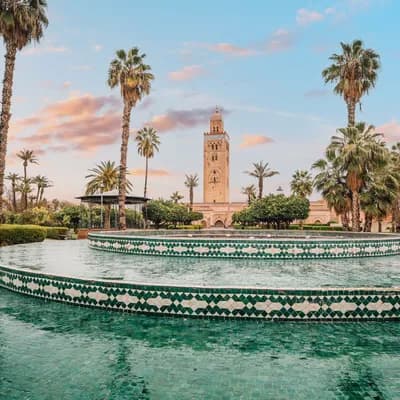
Morocco as a Bridge: Diversity and Tolerance in Modern Change
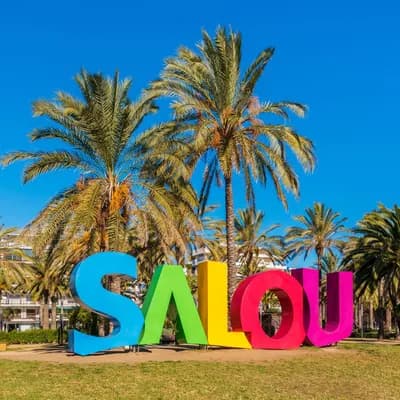
Salou becomes a queer certified travel destination
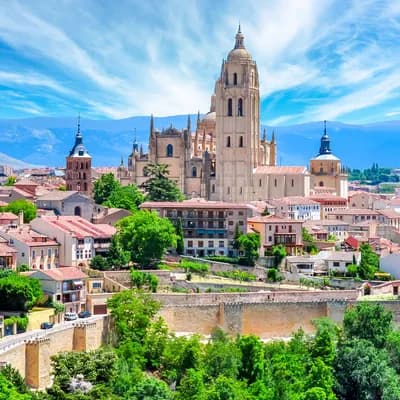
Castile and León: Queer Diversity in Rural Travel Paradise

Marella Cruises bans the hiding of rubber ducks
Monnem Pride: Layla
Salam Center

Raising the Rainbow Flag + Demo

Centre LGBTQIA+ Marseille
CSD Moers – Demonstration and Rally

Riad Dar Zaman
Summer Cinema Open Air – Ciné-Club: With Love and Chansons
