
.webp&w=3840&q=75)



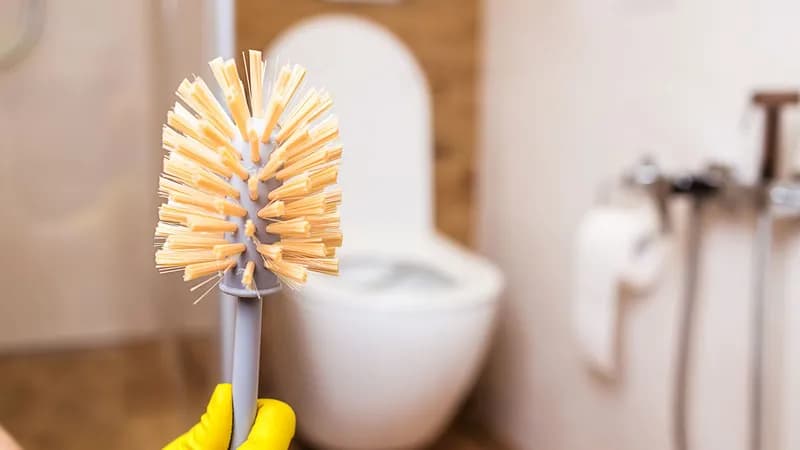
Regional Hygiene Standards: Hotels are increasingly doing without toilet brushes
Hotels do without toilet brushes

kk
In many hotel bathrooms around the world, one looks in vain for it: the toilet brush is missing, even in luxury hotels. Those who travel a lot know...
In many hotel bathrooms around the world, one searches in vain for them: the toilet brush is missing, even in luxury hotels. Those who travel a lot are familiar with the frustrated search for it – especially in the USA or Great Britain. However, behind this seemingly minor loss of comfort lie regional differences, concepts of hygiene, and even cultural taboos that can sometimes be surprising.
Global differences in the toilet ritual
What is a matter of course for many Germans as part of the basic equipment is often a no-go in international hotels: the good old toilet brush. While in Southeast Asia and the Middle East one may find no Western-style toilets at all, but rather hole-in-the-ground toilets and water buckets – the so-called bidet shower – a different standard is gaining importance in Western countries: Here, other cleaning mechanisms are employed. In many US hotels, for example, toilets are designed with a particularly strong flushing mechanism intended to eliminate dirt directly – a technology that makes carrying one's own brush seem unnecessary.
Unlike in Germany, where self-cleaning is valued, in North America one relies on regular, thorough cleaning by hotel staff. Daily tasks of housekeeping contribute to the expectation that (theoretically) sparkling white ceramics can be anticipated at any time. For guests, this means that hygiene and comfort are to be replaced by professional routine measures, the results of which one has no immediate influence over.
Hygiene questions and cultural taboos
The actual reason for the absence of the toilet brush is multi-faceted. Especially in the USA and Britain, toilet brushes in hotel rooms are often perceived as unhygienic and disgusting. Anyone who has ever held a neutral gray plastic handle designed for hotels can imagine why: the once-used brush is considered – regardless of the material or the cleaning staff's code number – a potential germ spreader. Experts continually warn that brushes used by many guests and changed only rarely can pose an infection risk.
Instead, the responsibility lies with the room cleaning. Additionally, US bathrooms have adapted to a "water level culture": the water levels in toilets are significantly higher than what German travelers are used to, and combined with a more powerful flush, some stains take care of themselves. Whether this often comes at the expense of water consumption and environmental awareness is another matter – in times of growing climate debates, this topic is also gaining importance in the hotel industry.
In countries in Southern Europe or Southeast Asia, the infrastructure regulates the use of toilet paper and aids. Thin sewage systems quickly reach their limits – toilet paper, let alone toilet brushes, are unwelcome here or are disposed of directly into provided containers. In hotels that host many international guests, this variety leads to logistical challenges.
Voices from Practice: Between Hygiene and Empathy
"Guests expect impeccable cleanliness – yet few consider who is responsible for removing unwanted traces. For cleaning staff, it's a real balancing act between efficiency and hygiene," explains <strong>Johanna Reimann</strong>, an expert in sustainability in the hospitality industry. She adds: "Toilet brushes may offer guests autonomy, but they are problematic from a hygiene standpoint. New solutions are needed."
There are also numerous discussions online: travelers report the embarrassment of having to go to the reception for small mishaps, or of do-it-yourself solutions with toilet paper and shower. It is not uncommon for experienced frequent travelers to recommend packing disposable brushes or wet wipes in the suitcase to be prepared for any eventualities.
Innovative solutions and looking ahead
But will everything remain the same? International hotel associations have been discussing alternatives for years. Disposable toilet brushes made from sustainable materials could become the standard in the long term – some hotels in Scandinavia and Central Europe are testing models that can be disposed of after use. Additionally, bidet-style hand showers and specialized cleaning sprays are gaining popularity.
Another trend recently presented at international trade fairs: personal hygiene products for sensitive hotel guests – from disinfecting wipes to a mini cleaning brush to take away.
Hospitality demands innovation – and this is especially true for the quiet place. Hotels are increasingly under pressure to respond to guest wishes and new hygiene requirements without losing sight of the balance between comfort, the environment, and efficiency. One thing is certain: those who value brush-free travel should pack wisely. And perhaps the coming years will provide an opportunity for a change that elevates privacy and hygiene – even in the bathroom – to a new level.
Further information on current hygiene standards in hotels is provided by consumer protection agencies, industry portals of the hospitality sector, and international health organizations.
Advertisement
Advertisement
Advertisement
Poll Of The Day
Wann beginnt für Dich der Urlaubskick?
- A.Schon Monate vorher, direkt nach dem Abschicken der Buchung
- B.In den Wochen davor beim Recherchieren von Ausflugszielen und Restaurants
- C.Beim Kofferpacken am Tag vor der Abreise
- D.Am Tag der Abreise auf dem Weg zum Flughafen oder Bahnhof
- E.Erst in dem Moment, in dem ich das Hotelzimmer betrete
- F.Der Kick kommt gar nicht, ich bin vor der Abreise nur gestresst
LGBTIQ+ News

Heated Rivalry im Kino - Connor Storrie verkürzt zudem die Wartezeit auf Staffel 2

Letzte Küsse in der Kutsche - Central Park verliert Liebeszauber

Schwuler Volleyballstar - Rui Takahashi berichtet vom Rückhalt seines Bruders

Schwere Vorwürfe gegen Graham - Dokumentation über Sexleben des verstorbenen US-Senators
Most Read




Advertisement
Video Of The Day
Advertisement
Advertisement
Advertisement
Poll Of The Day
Wann beginnt für Dich der Urlaubskick?
- A.Schon Monate vorher, direkt nach dem Abschicken der Buchung
- B.In den Wochen davor beim Recherchieren von Ausflugszielen und Restaurants
- C.Beim Kofferpacken am Tag vor der Abreise
- D.Am Tag der Abreise auf dem Weg zum Flughafen oder Bahnhof
- E.Erst in dem Moment, in dem ich das Hotelzimmer betrete
- F.Der Kick kommt gar nicht, ich bin vor der Abreise nur gestresst
LGBTIQ+ News
Heated Rivalry im Kino - Connor Storrie verkürzt zudem die Wartezeit auf Staffel 2
Letzte Küsse in der Kutsche - Central Park verliert Liebeszauber
Schwuler Volleyballstar - Rui Takahashi berichtet vom Rückhalt seines Bruders
Schwere Vorwürfe gegen Graham - Dokumentation über Sexleben des verstorbenen US-Senators
Most Read
Advertisement
Video Of The Day

Towels are a worldwide hotel classic for theft.

Hotel Star Rating - The New Hotel Star Catalog

DB reliably detects WC hiding spots during inspections

How can one travel more sustainably?

Hobo Hotel

Old Turkish Bath

Continental Baths

Hotel Bristol, a Luxury Collection Hotel, Warsaw

Blossom Festival

Flower Blossom Festival
New in Mannheim: Home Entertainment