
.webp&w=3840&q=75)



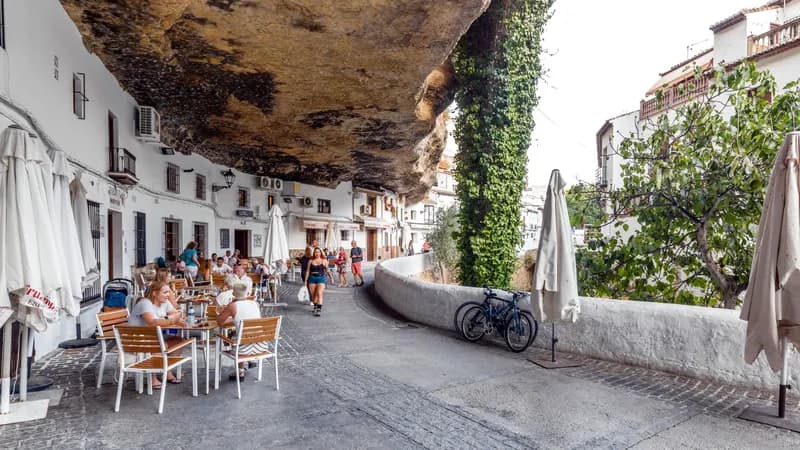
Setenil de las Bodegas: Unique place between rock and heritage
Tourism burdens the preservation of Setenil

kk
When visiting the picturesque Setenil de las Bodegas for the first time, one enters a different world: massive rock blocks protrude like protective awnings over a backdrop of dazzling white houses, small cafés, and cobblestone streets. In the province of Cádiz in Andalusia, hidden between green hills and steep gorges, this place has secured a permanent place among Spain's most extraordinary villages. Even from a distance, one senses that the boundaries between nature and architecture blend together in a unique way here.
Cliff Overhangs and History: A Village Under the Protection of Stones
The great peculiarity of Setenil de las Bodegas is undoubtedly the buildings that are directly built into the rock or are overshadowed by it. In particular, the famous streetsCalle Cuevas del SolundCave Street of the Shadowshow how closely humans and nature interact here. While on one side of the street, the sun impressively shines through in the morning, just a few meters away, there is a permanent cool shade – a blessing when the Andalusian sun drives temperatures back up to dizzying heights.
The origin of this special building style dates back a long way. Archaeological finds indicate that the area around Setenil has been inhabited since prehistoric times. The protection of the rocks was cleverly utilized by the Moors, who built a small fortress here. In the 15th century, the village fell to the Catholic kings after several costly sieges – and the place name "Setenil," derived from the Latin "septem nihil" ("seven times nothing"), still reminds us of this era of resistance. Later, viticulture and storage in the cool rock cellars brought prosperity and shaped the nickname "de las Bodegas."
The highlights of Setenil and its surroundings
Sunny sides and shady spots
Whoever today through theCalle Cuevas del Solstrolls, experiencing the heart of the village. Here, cafés, bars, and souvenir shops line up next to each other, many of which are housed in former storage facilities or even in traditional wine cellars. There is a relaxed vibrancy as the play of sunlight and the rugged rock silhouette shape the scene. On the opposite side of the small riverRío Trejooffers the shadyShadow Cave StreetAn almost magical tranquility. The towering rock overhangs that cover the houses and paths ensure pleasant temperatures even in mid-summer.
The construction method has proven to be effective: the thick rock ceilings not only keep the heat out but also protect against sudden storms. Especially during the hot summer months, many visitors are drawn to Setenil to take a welcome break in the natural shade.
Gothic culture and Moorish heritage
Another highlight is the late Gothic.Church of the Incarnationunassuming from the outside, but with an artistic altar retable inside that displays biblical scenes from the childhood of Jesus. Located at the upper edge of the village, directly next to the remains of the Moorish fortress, it offers fantastic views towards the river valley. Historical influences from various cultures – Moors, Christians, Romans – are palpable at every corner, making Setenil the perfect outing for culture enthusiasts.
One should not miss a visit to the nearby <strong>Ronda</strong>, which boasts a spectacular location on two rock plateaus and the famous bridge.New BridgeVisitors are magically drawn in. From there, a breathtaking view opens up over deep gorges and the mountains, a striking contrast to the more harmoniously embedded scenery of Setenil.
Voices of the people on site
"Our village is a wonder of nature. The rocks provide us with protection, but also with identity. History lives here at every corner." — <strong>Carmen González</strong>, Local Guide and resident of Setenil
This deep connection is reflected in numerous local initiatives that strive to keep the cultural and architectural heritage alive. Sustainable tourism plays an increasingly significant role, as the number of visitors arriving each year continues to rise steadily.
A look into the future: Between tourism and preservation
Setenil de las Bodegas is often seen as a model example of successful coexistence between humans and nature. However, the steadily growing influx of tourists also presents challenges: infrastructure must keep pace with its popularity, and the protection of the distinctive buildings is becoming increasingly important. Initial sustainable initiatives promote gentle tourism and local craftsmanship to preserve the unique atmosphere. At the same time, the inhabitants – fewer than 3,000 – are committed to a conscious use of natural resources and the sensitive rock landscape.
The future of the village crucially depends on how well visitors, local authorities, and residents can unite their interests. Accessibility also plays a role: those looking to visit Setenil from Germany usually end up in Málaga or Sevilla and travel best by rental car – protecting the place from mass tourism remains one of the major challenges.
Further information on sustainable travel in Andalusia and the preservation of unique villages is provided by the Andalusian Tourism Authority as well as the European Cultural Heritage Network.
Advertisement
Advertisement
Advertisement
Poll Of The Day
Wie lange sollte dein perfekter Urlaub dauern?
- A.Kurz & knackig
- B.Eine Woche
- C.Zwei Wochen
- D.Drei Wochen+
- E.Je länger, desto besser
- F.Hauptsache überhaupt Urlaub
LGBTIQ+ News

Trey Cunningham selbstbewusst - Rekorde und Blick Richtung Olympia

Kerle in besonderer Tracht - Ein Outfit, das die Fantasie schwuler Männer umtreibt

Netflix und LGBTIQ+ - Viele queere Sichtbarkeit unter den Top-Serien

Mordversuch mit Bierflasche - Mann niedergestochen – weil Angreifer ihn für schwul hielt
Most Read


Advertisement
Video Of The Day
Advertisement
Advertisement
Advertisement
Poll Of The Day
Wie lange sollte dein perfekter Urlaub dauern?
- A.Kurz & knackig
- B.Eine Woche
- C.Zwei Wochen
- D.Drei Wochen+
- E.Je länger, desto besser
- F.Hauptsache überhaupt Urlaub
LGBTIQ+ News
Trey Cunningham selbstbewusst - Rekorde und Blick Richtung Olympia
Kerle in besonderer Tracht - Ein Outfit, das die Fantasie schwuler Männer umtreibt
Netflix und LGBTIQ+ - Viele queere Sichtbarkeit unter den Top-Serien
Mordversuch mit Bierflasche - Mann niedergestochen – weil Angreifer ihn für schwul hielt
Most Read
Advertisement
Video Of The Day
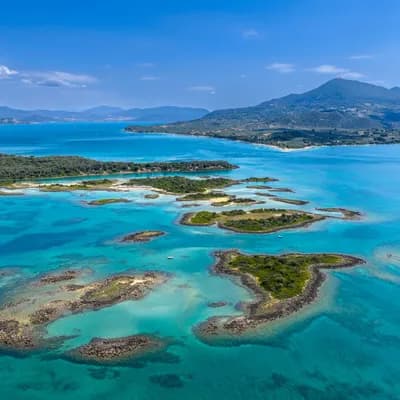
Lichadonisia receives EU funding for sustainable tourism
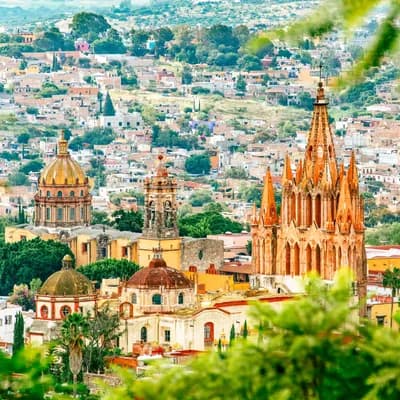
Casa de Sierra Nevada: History and Modern Lifestyle in San Miguel
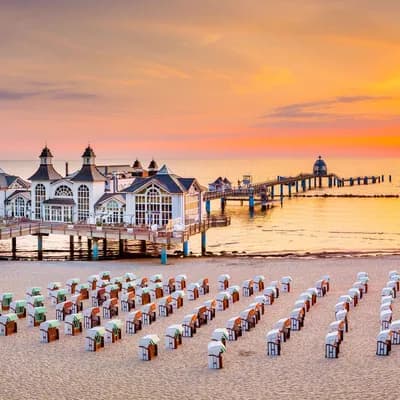
Rügen presents itself: sustainable tourism and diverse nature experiences
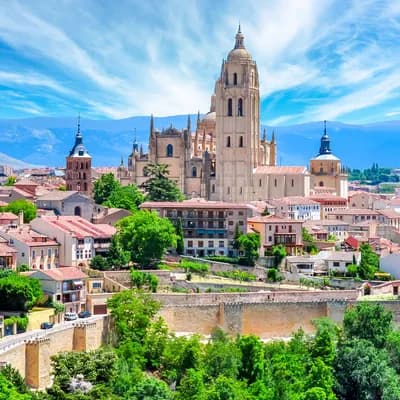
Castile and León: Queer Diversity in Rural Travel Paradise
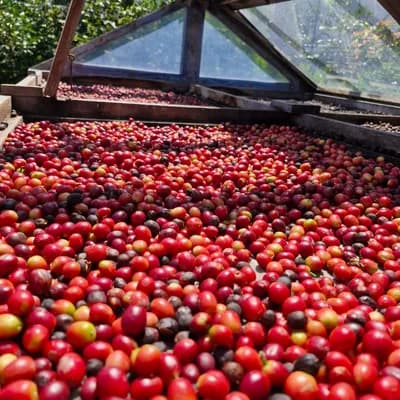
Bodega Los Berrazales

Legado Mítico Buenos Aires

La Casona de Castilnovo - gay only rural hôtel
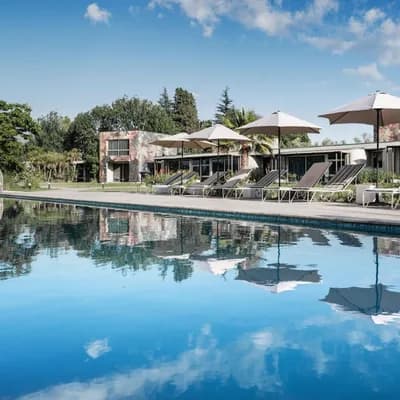
Entre Cielos Luxury Wine Hotel & Spa

Sitges Pride Gay Village
Sitges Pride
Water & Sound Festival: Waterways Re:Imagined – Conversation with Sathnam Sanghera