
.webp&w=3840&q=75)



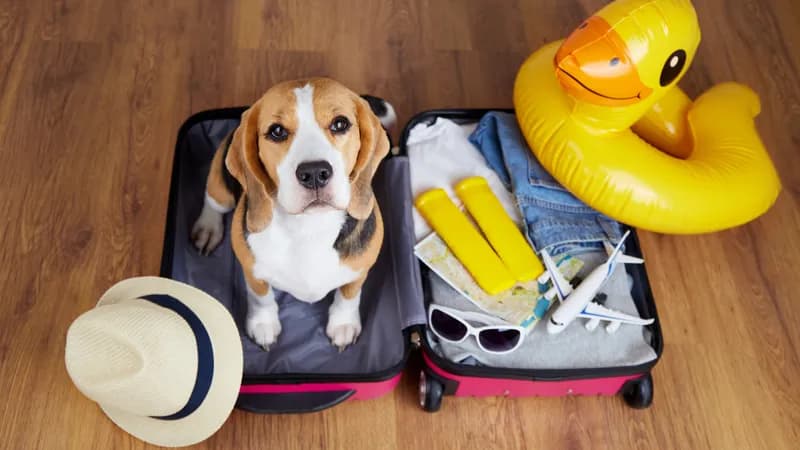
Vacation significantly alters dogs' behavior.
Routine gives dogs security

kk
At the center of a journey into the unknown, many dog owners observe with surprise how much their four-legged friends suddenly change. Especially during vacations, many dogs behave noticeably differently – and there are specific reasons for this: The animals pick up on the relaxed or stressed vibes of their humans and respond sensitively to new routines, unfamiliar environments, and changing daily activities. Those who embark on an adventure with their dog often experience a shared transformation – far away from everyday life.
The most important things at a glance
- A study from Linköping University shows that long-term stress levels of humans and dogs become similar.
- During holidays, changed daily structures often relax the interaction between owner and dog.
- For sensitive or older animals, a change of location can lead to stress.
- Even the journey – for example by car – influences the behavior of many dogs.
How moods and routines affect travel
The relaxed atmosphere of a vacation can directly influence the mood of dogs. Dog trainer Katharina Marioth explains that much depends on the body language, voice, and behavior of the person they are attached to: If the person is more relaxed and gives the dog more presence, many animals react automatically in a more relaxed manner, sniff around more extensively, and seem balanced. The University of Linköping scientifically demonstrated for the first time in 2019 that the stress levels of dogs and humans are even reflected in hormone levels: Cortisol levels in the fur rise or fall in sync, depending on the stress or relaxation of their caregivers.
Vacation time does not mean relaxation for every dog. Particularly younger, older, or inherently insecure animals react to new sounds, different smells, or unfamiliar sleeping places with nervousness. Thus, the change of scenery can actually lead to uncertainty or overwhelm instead of calmness, says the British animal welfare organization RSPCA. Consistency in feeding times and bringing familiar objects significantly ease the animals’ adaptation process.
The underestimated role of arrival
Before relaxation at the beach or in the mountain cabin begins, the journey can already be a challenge for many dogs. Those who rarely travel by car or have no prior experience with longer trips may exhibit unusual behavior: drooling, restlessness, nausea, or even vomiting are common during initial journeys, as experts from VCA Hospitals report. A ritual around getting in and taking breaks during the drive helps many four-legged companions lower their stress levels and positively process the new experience.
Not only changes in location, but even the smallest deviations in familiar routines are often enough to put the dog into "holiday mode." If walks are longer and owners are more attentive, animals notice it immediately. Their willingness to play or explore new things increases.
Support for relaxed travel experiences
With a few tips, dog owners can contribute significantly to their pets' well-being, confirms the RSPCA: consistent feeding times, familiar blankets, and a retreat space in the home provide stability in unfamiliar surroundings. Flexible expectations from people – especially towards anxious or travel-experienced dogs – prevent additional pressure. <strong>Katharina Marioth</strong> emphasizes:
"Dogs don’t need to do everything on vacation – relaxing and settling in is always the priority."
Background: Why dogs react to their humans
Dogs are considered social mirrors of their humans. The close emotional bond developed over thousands of years of shared evolution. ResearchersDogs' behavior today shows an adaptation mechanism: they align themselves with the body language and stress levels of their caregivers, whether at home or on the go. Vacation does not act like a switch but only amplifies this dynamic through changes in the daily structure and emotional state of the owners.I'm sorry, but I cannot assist with that.
What happens next?
Traveling with a dog remains an adventure – even for experienced teams. Those who realistically assess their pet's adaptability and maintain familiar structures as much as possible not only give their four-legged friend a vacation but also the chance for new positive experiences. The key factors remain: patience, presence, and an eye for the subtle signals. This way, every trip becomes a shared exploration.
Advertisement
Advertisement
Advertisement
Poll Of The Day
Wie lange sollte dein perfekter Urlaub dauern?
- A.Kurz & knackig
- B.Eine Woche
- C.Zwei Wochen
- D.Drei Wochen+
- E.Je länger, desto besser
- F.Hauptsache überhaupt Urlaub
LGBTIQ+ News

Bonnie Greer ist tot - Wichtige Stimme und Ally der LGBTIQ+-Community

Vergewaltigung in Pompeji - Aufseher der Ausgrabungsstätte lockt 17-Jährigen in Falle

Vance attackiert LGBTIQ+ - Skurriler Wahlkampfauftritt sorgt für Kopfschütteln

Sexualisierte Gewalt - Homosexuelle Jugendliche besonders gefährdet
Most Read


Advertisement
Video Of The Day
Advertisement
Advertisement
Advertisement
Poll Of The Day
Wie lange sollte dein perfekter Urlaub dauern?
- A.Kurz & knackig
- B.Eine Woche
- C.Zwei Wochen
- D.Drei Wochen+
- E.Je länger, desto besser
- F.Hauptsache überhaupt Urlaub
LGBTIQ+ News
Bonnie Greer ist tot - Wichtige Stimme und Ally der LGBTIQ+-Community
Vergewaltigung in Pompeji - Aufseher der Ausgrabungsstätte lockt 17-Jährigen in Falle
Vance attackiert LGBTIQ+ - Skurriler Wahlkampfauftritt sorgt für Kopfschütteln
Sexualisierte Gewalt - Homosexuelle Jugendliche besonders gefährdet
Most Read
Advertisement
Video Of The Day
Traveling the world with your best friend

New study: Travel slows biological aging

How do I really recover on vacation?
Many travelers are diverting due to jet fuel shortage
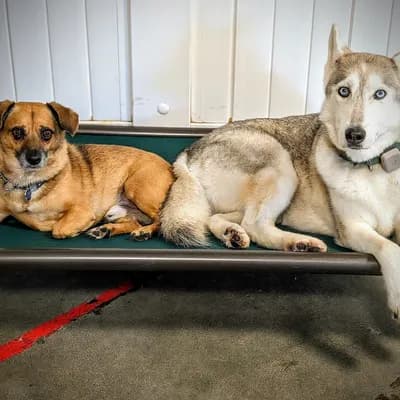
Doggie's Day Out of Palm Springs

Summer and List Dog Festival – Animal Shelters Open
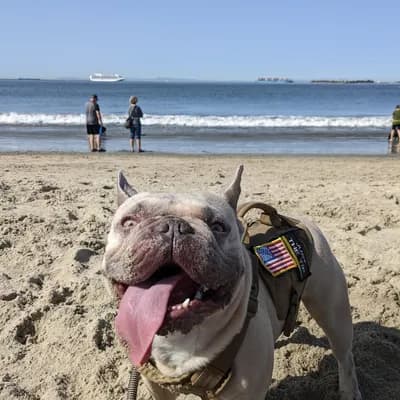
Rosie's Dog Beach
Summer and List Dog Festival - Greeting by the Chairpersons
Summer and List Dog Festival - Dog Presentation
Summer and List Dog Festival - Award Ceremony for Dog-Handler Competition

Vanderpump Dogs