.webp&w=3840&q=75)


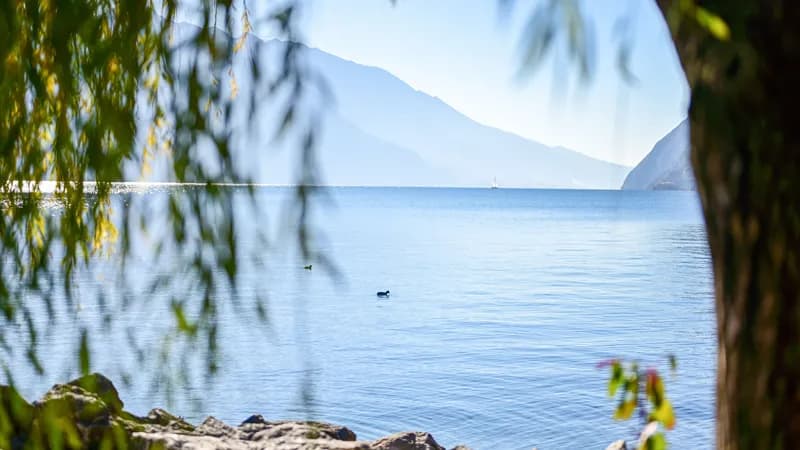
Corno Beach on Lake Garda: Erosion Requires Action
Lake Garda: Corno Beach is shrinking

kk
Italian beach in danger – The Corno beach at Lake Garda is disappearing
A gentle breeze blows over Lake Garda, boats are making their way, and holidaymakers from all over Europe are mingling on the shores. However, at one of the most beautiful stretches, the...Corn BeachAt Lake Garda, people are looking worryingly at the gravel shore these days: it is at risk of completely disappearing.
Erosion threatens a natural paradise.
Just a few minutes' walk from the picturesque peninsula.Punta San VigilioRemoved, the bay extends, which has always been a popular retreat for bathers as well as locals. However, the dream beach is wobbly – and not due to increasing visitor numbers, but because of massive erosion problems. For several years now, the pebbles have been swallowed by the waves, and the shoreline is increasingly receding. What makes the Corno beach so vulnerable?
The answer lies just a few meters from the shore: Numerous excursion boats that operate during the season cruise the picturesque scenery of the lake, causing significant wave action. These ships are increasingly becoming the focus of the debate regarding the preservation of the beach. According to local associations and environmentalists, some boats on this route reach speeds that significantly increase the wave impact. This not only accelerates the erosion of the shore zone but also endangers sailing courses for children and small boats.
Civic engagement and demands for protection
The conflict has already attracted public interest. Particularly theItalian Naval Leaguea traditional association for the protection of Italian waters sees urgent need for action. Together with citizen initiatives and local organizations, targeted measures have been demanded: speed limits for excursion boats, stricter shipping corridors, and control mechanisms should ensure a slowdown. Up to27 times a dayDuring the high season, ships of the Navigarda line dock at the popular beach area - a circumstance that is troubling even for experienced boating professionals.
"The high waves threaten not only our natural heritage but also pose a danger to bathers and children," warnsGiovanni RossiPresident of the Italian Naval League demands: "Binding rules for ship distances and speed must be introduced urgently."
The shipping company largely rejects the accusations and refers to existing exceptions for public passenger boats regarding speed and distance from the shore. So far, the municipality, environmental organizations, and shipping companies have not been able to agree on a common course – discussions are ongoing, but a breakthrough is not in sight.
Coastal protection as a European challenge
The phenomenon of coastal erosion is not limited to Lake Garda: Along the North German and French Atlantic coasts, from Sylt to Biarritz, hundreds of meters of landmass collapse into the seas each year. Climate change, prolonged dry periods, and altered precipitation patterns exacerbate the problem in many places—turning the often gentle tourism at Europe's inland and coastal areas into a test of endurance.
Experts observe that leisure capacities and recreational areas in Italy, especially in well-known hotspots like Lake Garda, are repeatedly subordinated to economic use. A recent study from the University of Padua shows: More than 65 percent of Italian lake beaches are under acute suspicion of erosion – particularly in places where motor boats dominate daily life or strong waves are caused by the wind.
Between tradition and future: Will the beach be preserved?
For travelers and locals alike, Corno Beach remains a symbol of the fragile balance between natural experience and tourist attraction. The coming months are considered crucial: if the fronts continue to harden, erosion could accelerate and within a short time completely erase the bathing beach. The municipality of Garda is planning further discussions with environmental and maritime representatives, but no concrete solution has been reached so far. At the same time, there is increasing pressure to implement long-term protection concepts and a forward-looking management of boat traffic – as without swift measures, this famous place risks becoming history.
Anyone wishing to swim in Italy's largest lake in the future will also need to engage politically and ecologically to ensure that the blue jewel of the North is not irretrievably lost.
Further information on the background of erosion at Lake Garda and sustainable coastal protection is provided by local environmental groups, the municipality of Garda, and the Italian Navy League.
Advertisement
Advertisement
Advertisement
Poll Of The Day
Wie lange sollte dein perfekter Urlaub dauern?
- A.Kurz & knackig
- B.Eine Woche
- C.Zwei Wochen
- D.Drei Wochen+
- E.Je länger, desto besser
- F.Hauptsache überhaupt Urlaub
LGBTIQ+ News

Trey Cunningham selbstbewusst - Rekorde und Blick Richtung Olympia

Kerle in besonderer Tracht - Ein Outfit, das die Fantasie schwuler Männer umtreibt

Netflix und LGBTIQ+ - Viele queere Sichtbarkeit unter den Top-Serien

Mordversuch mit Bierflasche - Mann niedergestochen – weil Angreifer ihn für schwul hielt
Most Read



Advertisement
Video Of The Day
Advertisement
Advertisement
Advertisement
Poll Of The Day
Wie lange sollte dein perfekter Urlaub dauern?
- A.Kurz & knackig
- B.Eine Woche
- C.Zwei Wochen
- D.Drei Wochen+
- E.Je länger, desto besser
- F.Hauptsache überhaupt Urlaub
LGBTIQ+ News
Trey Cunningham selbstbewusst - Rekorde und Blick Richtung Olympia
Kerle in besonderer Tracht - Ein Outfit, das die Fantasie schwuler Männer umtreibt
Netflix und LGBTIQ+ - Viele queere Sichtbarkeit unter den Top-Serien
Mordversuch mit Bierflasche - Mann niedergestochen – weil Angreifer ihn für schwul hielt
Most Read
Advertisement
Video Of The Day
Via Verde opens at the Abruzzo's Costa dei Trabocchi
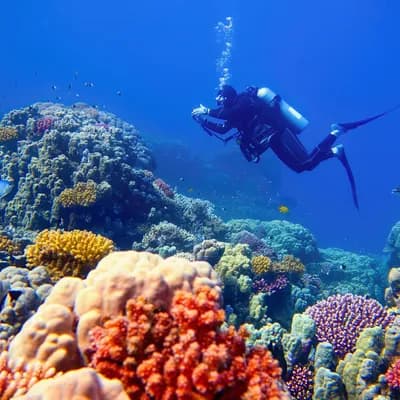
Record bleaching at the Great Barrier Reef: Heatwaves drive coral loss
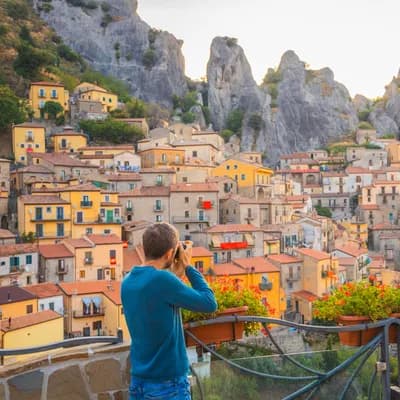
Basilicata attracts more individual tourists in 2024
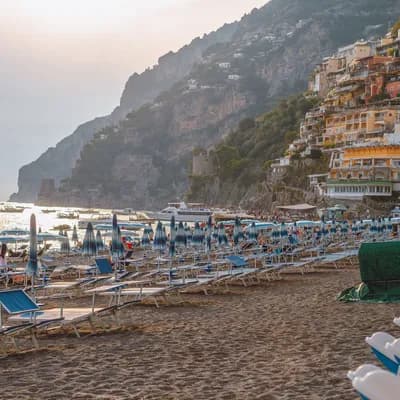
Italian beach loungers will be significantly more expensive in 2026.
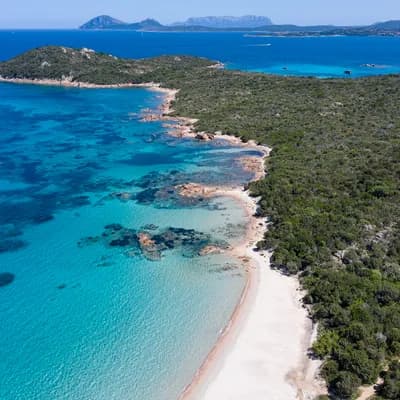
Liscia Ruja

Mama Beach

Kavros Beach Resort

Punta della Suina

Noisehausen Festival 2026 Friday

Summer Cinema Open Air: Cranko
Noisehausen Festival 2026 Saturday