
.webp&w=3840&q=75)


Hong Kong: Outdoor events strengthen the solidarity of the LGBTQ+ community
Outdoor events strengthen the LGBTQ+ community

kk
Early in the morning, when the first rays of sunlight bathe the cityscape of Hong Kong in soft golden light, the metropolis unfolds...
Early in the morning, when the first rays of sunshine bathe the skyline of Hong Kong in soft golden light, the metropolis reveals a contrast that continuously captivates visitors: Just a few steps away from the hyper-modern skyline, hiking trails, biking paths, and ferry services lead directly into the green heart of this bustling city. While other major cities leave little room for nature, Hong Kong is full of adventures away from the usual urban jet set.
Adventures between the big city and the peaks
The prejudice that Hong Kong is just a monolith of skyscrapers and markets disappears, at the latest, when you ride on one of the modern MTR trains heading north. In the district of Shatin begins one of the most famous cycling routes in the region – a 20-kilometer-long, excellently developed trail to Tai Po in the New Territories. Along the banks of the Shing Mun River, you rush past residential towers, parks, and surprisingly a lot of nature. Those who wish can take a trip to the Pak Shek Kok Promenade, where walkers, joggers, and picnickers enjoy the view of the bay.
Along the route, numerous stopping points with views of the sea or parks invite for a break. The path is ideal from October to March when the climate in Hong Kong remains pleasantly mild and bike rentals are popping up everywhere—a sign of how outdoor activities in the city have boomed in recent years. According to the Hong Kong Tourism Board, more than 250 kilometers of official bike paths have now been established in the region, many of them family-friendly and perfectly marked.
Unknown Trails & Buddhist Calm
Those seeking genuine seclusion from the hustle and bustle of the city will find it particularly in the Sai Kung District, affectionately referred to by locals as "Hong Kong's backyard." Here, endless hiking trails wind along spectacular cliffs. The famous MacLehose Trail, one of the most impressive long-distance hiking routes in Asia at 100 kilometers in length, meanders through jungle-like hills, passing by reservoirs, villages, and fine sandy beaches such as Ham Tin Wan and Long Ke.
The individual sections of the MacLehose Trail are designed to appeal to hikers of all fitness levels. From easy half-day excursions to challenging day treks, the trail offers pure variety. Those who are lucky and have the time can snag one of the coveted tickets for a visit to the impressive Tsz Shan Monastery. High above Tai Po, there stands a 76-meter tall statue of the "Goddess of Mercy" – a spiritual place that captivates both tourists and believers alike.
Island hopping on Hong Kong's unknown sides
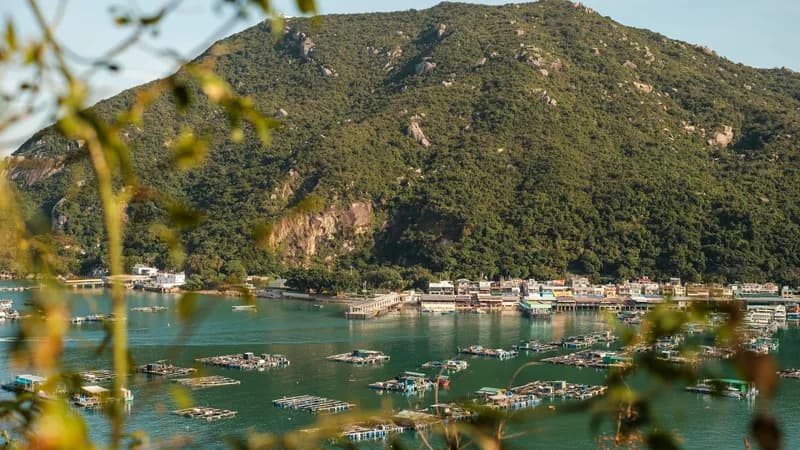
The adventure continues by ferry: Lamma Island, just twenty minutes from the bustling center, transports travelers to a world full of tranquil alleys, fishing villages, and white sandy bays. The island is equally popular among expats and locals as a relaxed retreat: here, organic cafés, vegan bookstores, and colorful markets blend with quirky beach bars. A special tip: The villages of Sok Kwu Wan and Yung Shue Wan are connected by a well-marked hiking trail that offers breathtaking views of the South China Sea.
The island invites not only hiking but also indulging in culinary delights. Lamma is famous for its fresh seafood – longstanding establishments like the Rainbow serve freshly caught fish and seafood daily along the picturesque waterfront. During special times, such as the annual Dragon Boat Festival, the island transforms into a lively celebration zone full of music, costumes, and energetic races.
Voices from the outdoor scene
"Hong Kong offers surprisingly diverse opportunities for nature enthusiasts. Whether hiking at Dragon's Back or kayaking along the coast, each year more people are discovering the green side of the city," reports <strong>Gary Mak</strong>, organizer of the Hong Kong Lesbian & Gay Film Festivals and an enthusiastic resident of Lamma Island.
Sports and LGBTQ+ communities also demonstrate how open and inclusive Hong Kong's outdoor scene has become: groups like "Out in HK" regularly organize hiking and sports events for anyone looking for like-minded individuals (and beautiful panoramas). The city's bike paths, hiking trails, and beaches are thus not only places for recreation, but have long been an important social meeting point.
Urban lifestyle with nature experience
Back in the city, the vibe remains a blend of metropolis and wilderness. After a hike or bike ride, Hong Kong's trendy café scene beckons, along with elegant boutique hotels like Ovolo Central and design accommodations in the up-and-coming art district of Wong Chuk Hang. Culinary exploration is worthwhile to experience the city's diversity: from creative dim sum interpretations at Social Place to hidden speakeasies like Mrs. Pound in Sheung Wan, Hong Kong showcases all its strengths.
A current trend is particularly evident: More and more locals and tourists are taking advantage of the well-developed infrastructure to rediscover the city. The Hong Kong Tourism Board reported last year a record increase in visitor numbers to outdoor routes and islands, while several local start-ups are investing in sustainable tourism offerings and eco-guides.
Sustainability and Future
The connection between urbanity and nature conservation is becoming increasingly important for Hong Kong. Initiatives for re-naturation, waste reduction, and sustainable leisure activities are on the rise – for example, in the form of clean-up actions at popular beaches or through workshops on biodiversity and species protection for hikers.
The potential to connect ecotourism and regional identity is also recognized by politics: new nature parks and protected areas are to preserve the green oases while promoting the transition to sustainable leisure offerings.
Those who embrace this interplay of pulsating urbanity, adventurous nature, and creative culinary culture experience Hong Kong from a perspective that goes far beyond the guidebook.
Further information on sustainable tourism and hiking offers is provided by the Hong Kong Tourism Board and local nature and environmental organizations.
Advertisement
Advertisement
Advertisement
Poll Of The Day
Wann beginnt für Dich der Urlaubskick?
- A.Schon Monate vorher, direkt nach dem Abschicken der Buchung
- B.In den Wochen davor beim Recherchieren von Ausflugszielen und Restaurants
- C.Beim Kofferpacken am Tag vor der Abreise
- D.Am Tag der Abreise auf dem Weg zum Flughafen oder Bahnhof
- E.Erst in dem Moment, in dem ich das Hotelzimmer betrete
- F.Der Kick kommt gar nicht, ich bin vor der Abreise nur gestresst
LGBTIQ+ News

Heated Rivalry im Kino - Connor Storrie verkürzt zudem die Wartezeit auf Staffel 2

Letzte Küsse in der Kutsche - Central Park verliert Liebeszauber

Schwuler Volleyballstar - Rui Takahashi berichtet vom Rückhalt seines Bruders

Schwere Vorwürfe gegen Graham - Dokumentation über Sexleben des verstorbenen US-Senators
Most Read


Advertisement
Video Of The Day
Advertisement
Advertisement
Advertisement
Poll Of The Day
Wann beginnt für Dich der Urlaubskick?
- A.Schon Monate vorher, direkt nach dem Abschicken der Buchung
- B.In den Wochen davor beim Recherchieren von Ausflugszielen und Restaurants
- C.Beim Kofferpacken am Tag vor der Abreise
- D.Am Tag der Abreise auf dem Weg zum Flughafen oder Bahnhof
- E.Erst in dem Moment, in dem ich das Hotelzimmer betrete
- F.Der Kick kommt gar nicht, ich bin vor der Abreise nur gestresst
LGBTIQ+ News
Heated Rivalry im Kino - Connor Storrie verkürzt zudem die Wartezeit auf Staffel 2
Letzte Küsse in der Kutsche - Central Park verliert Liebeszauber
Schwuler Volleyballstar - Rui Takahashi berichtet vom Rückhalt seines Bruders
Schwere Vorwürfe gegen Graham - Dokumentation über Sexleben des verstorbenen US-Senators
Most Read
Advertisement
Video Of The Day
Ireland strengthens offerings for LGBTIQ+ tourists with new travel packages
Reykjavík establishes queer culture as a social meeting space
Middle Bay Beach
The Peak Tram
Luxury Sightseeing: New Perspectives for LGBTQ* Travelers
Queer History in Charleston: From Activism to Visibility

Hong Kong Zoological and Botanical Gardens

Hampstead Heath
Sitges Pride Gay Village
Hamburg: Winter Pride 2024

CSD Freising Kick-Off Rally
