
.webp&w=3840&q=75)



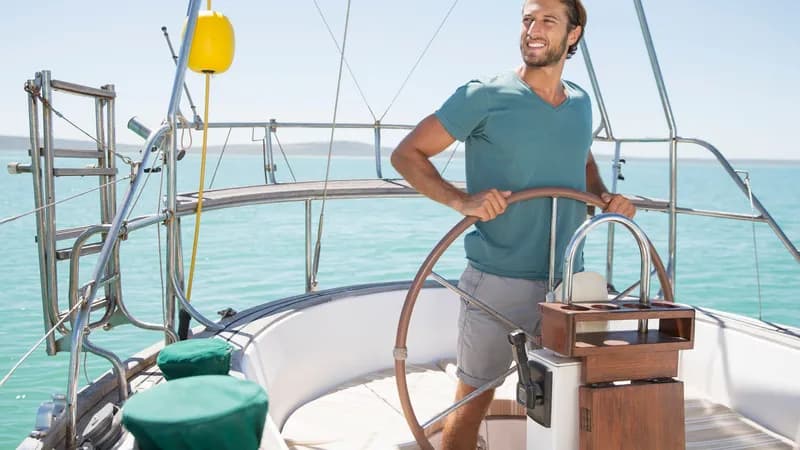
Safety at Sea: Experts Warn Against Carelessness in Summer
New Regulations for Boat Safety

kk
Summer entices with long days, warm weather, and a longing for freedom – nowhere does this feeling seem more immediate than at...
Summer beckons with long days, warm weather, and a longing for freedom – nowhere does this feeling seem more immediate than sailing or boating on waterways and lakes. However, while most excursionists focus on sun and relaxation, an underestimated danger lurks in the background: safety on the water is often neglected – frequently with serious, avoidable consequences.
Forgotten Lifesavers: Why Caution is the Top Priority
Especially when the weather seems pleasant and the mood is cheerful, many leisure captains underestimate the risks. Countless accidents occur under seemingly ideal conditions. Statistics clearly show: the vast majority of fatal swimming accidents happen because people forgo a life jacket. Modern models have long since emerged from the shadow of bulky predecessors and offer high comfort and freedom of movement.
Experienced experts advise: Anyone who boards a boat should make wearing a life jacket a routine – regardless of swimming ability or location. This is especially true when children or less confident swimmers are on board. In the USA, for example, wearing life jackets for minors is already mandatory in many places, yet life-saving measures are often poorly implemented, especially in private settings.
Weather changes and other uncertainties
Another danger: The weather by the water is fickle and can change rapidly. What begins as a pleasant breeze can turn into oppressive heat, followed by sudden gusts of wind or even a summer storm. Modern weather apps and local news help, but early detection of weather changes saves lives. Dark clouds, increasing wind, or drops in temperature are signs to seek shelter quickly.
No less significant is the influence of alcohol. In fact, under the influence of alcohol, reaction time decreases, which is exacerbated on the water – unlike on land – by sun, wind, and constant boat movement. In many countries, there are legal limits for alcohol and hefty penalties; however, personal responsibility is crucial: Those who drive should remain sober – this is the clear recommendation from international water sports safety organizations.
Planning is the be-all and end-all: contingency plans and courses
Good seamanship includes always leaving a so-called "Float Plan" – informing someone on land about the chosen route and when the return is planned. A simple note, a messenger message, or a digital form is sufficient as long as it contains a description of the boat and a passenger list. In an emergency, this helps rescue teams with quick search and rescue operations.
Last but not least, it is advisable to obtain a boating license or at least complete a safety course. These courses cover all potential hazards, teach correct behavior in critical situations, and familiarize participants with the most important nautical rules. More and more offerings are available digitally, and even for experienced leisure captains, there are appropriate training options that refresh practical knowledge.
Voices on Security: The Perspective of Experts
"The most serious accidents rarely happen during storms or extreme conditions – but when routine replaces awareness. Anyone who disregards basic safety rules unnecessarily risks their own life and that of their fellow travelers," explains <strong>Vukan Simic</strong>, founder of the booking platform BoatBooker and specialist in boat safety.
International authorities such as the US Coast Guard, as well as the German Society for the Rescue of Shipwrecked Persons, warn that particularly recreational captains and occasional sailors are affected by avoidable risks. During the summer months, the number of accidents rises dramatically in many countries – a trend that initiatives seek to counteract through education and visible controls. According to recent figures from the European Maritime Safety Agency, around 65 percent of recreational accidents occur in good weather and on relatively calm waters – a clear indication that dangers do not only arise when a storm is raging.
The view ahead: Mindfulness makes the adventure perfect.
With good preparation, mutual consideration, and the willingness to take safety seriously, the boating experience remains what it is meant to be: a place for joy, relaxation, and unforgettable community. Innovative apps for weather and route planning, modern communication systems, and increasingly well-fitted life jackets make it easier than ever to be responsible on the water.
New regulations, such as increased visibility requirements for small boats or lower blood alcohol limits, will certainly continue to be implemented in the coming years. At the same time, experts recommend regular safety checks of equipment and refreshing knowledge through annual refresher courses. This attention can not only save lives but also create lasting memories of safe and beautiful days on the water.
Anyone looking to learn more can find additional information as well as practical tips on the topic of boat safety from independent water sports associations and official rescue services.
Advertisement
Advertisement
Advertisement
Poll Of The Day
Wann beginnt für Dich der Urlaubskick?
- A.Schon Monate vorher, direkt nach dem Abschicken der Buchung
- B.In den Wochen davor beim Recherchieren von Ausflugszielen und Restaurants
- C.Beim Kofferpacken am Tag vor der Abreise
- D.Am Tag der Abreise auf dem Weg zum Flughafen oder Bahnhof
- E.Erst in dem Moment, in dem ich das Hotelzimmer betrete
- F.Der Kick kommt gar nicht, ich bin vor der Abreise nur gestresst
LGBTIQ+ News

Schwuler Volleyballstar - Rui Takahashi berichtet vom Rückhalt seines Bruders

Schwere Vorwürfe gegen Graham - Dokumentation über Sexleben des verstorbenen US-Senators

Haiti verschiebt die Wahlen - LGBTIQ+-Aktivisten schlagen Alarm

Neue Vorwürfe in Turkmenistan - Schwuler Mann berichtet von Folter
Most Read



Advertisement
Video Of The Day
Advertisement
Advertisement
Advertisement
Poll Of The Day
Wann beginnt für Dich der Urlaubskick?
- A.Schon Monate vorher, direkt nach dem Abschicken der Buchung
- B.In den Wochen davor beim Recherchieren von Ausflugszielen und Restaurants
- C.Beim Kofferpacken am Tag vor der Abreise
- D.Am Tag der Abreise auf dem Weg zum Flughafen oder Bahnhof
- E.Erst in dem Moment, in dem ich das Hotelzimmer betrete
- F.Der Kick kommt gar nicht, ich bin vor der Abreise nur gestresst
LGBTIQ+ News
Schwuler Volleyballstar - Rui Takahashi berichtet vom Rückhalt seines Bruders
Schwere Vorwürfe gegen Graham - Dokumentation über Sexleben des verstorbenen US-Senators
Haiti verschiebt die Wahlen - LGBTIQ+-Aktivisten schlagen Alarm
Neue Vorwürfe in Turkmenistan - Schwuler Mann berichtet von Folter
Most Read
Advertisement
Video Of The Day

Thunderstorms at Campsites: Experts Warn of Life-Threatening Danger

Tsunami Warning: How Travelers Can Quickly Ensure Their Safety

Germany awards 118 Blue Flags for 2026

Bern launches Aare safety campaign for swimmers
Danger Charters

Hot Tub Boats

Splash Tours BV

Tiki Boat Tampa LLC

Summer Cinema Open Air: A Simple Accident

The Sirens: Drag on the Spree with Jade Pearl Baker

Under Water Pride